WAJIMA, Ishikawa ― The continued spread of the novel coronavirus is threatening the livelihood of ama female free divers in Wajima, Ishikawa Prefecture, as prices for sazae turban shells, one of their mainstay products, have plunged due to fewer people eating out and rock oyster hauling has been suspended.
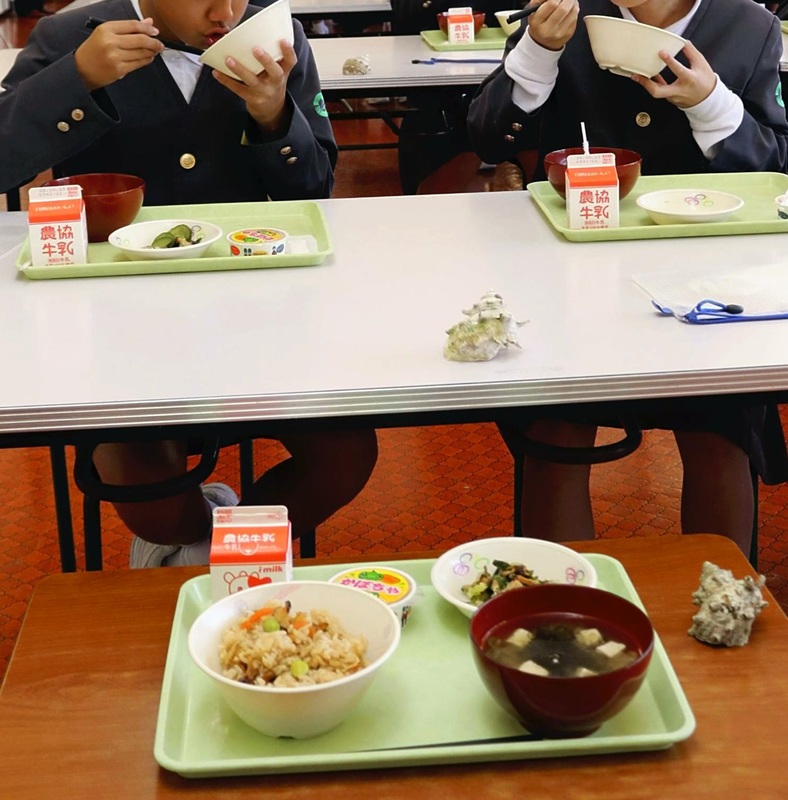
The Ishikawa prefectural government has introduced assistance measures, including using turban shells in school lunches.
According to the prefectural government, the city of Wajima has about 200 ama divers who fish for shells and seaweed. Their average age is 61.
Ama have a long history, and a shrine in the city contains a stone monument engraved with a waka Japanese poem said to describe free diving in the Nara period (710-794). Ama fishing was designated as an important national intangible folk culture asset in 2018, and the prefectural fishery cooperative association promotes the sale of catches as brand products.
According to an association dedicated to preserving Wajima ama fishing and other organizations, hauls of abalone, a high-end marine product, have become scarce nationwide and the hauling of rock oysters has been suspended across the board due to the coronavirus crisis.
Transaction prices for turban shells have dropped by about 20% from a year before. Given this, the fishing season has been moved up from July-September to July to mid-August. Anxiety has prevailed among ama due to the decline in their income, and some are said to have changed jobs as a result.
Namako, or sea cucumber, fishing will start in November, while wakame seaweed fishing is set to start in early spring. The concern among ama is clear.
Association chairperson Sachiyo Ikezumi expressed a strong sense of crisis, saying: "Ama are not paid on a monthly basis but live on the money they earn daily through their diving. They won't be able to make a living if they can't enter the sea because there are no sales channels."
Given this situation, the Wajima municipal government in July introduced an assistance measure of providing 50,000 yen for each ama. The Ishikawa prefectural government has decided to make an additional payment of 50,000, yen and this month started to use sazae turban shells collected by ama in school lunches.
Students at Wajima municipal Oya Elementary School ate steamed rice mixed with sazae on Oct. 16. "The sazae we ate together were really delicious," said a six-grader boy with a smile.
Chairperson Ikezumi visited the school on the day, and explained to the pupils the methods of ama fishing and its history. She said the occasion was "a good chance for the ama profession to be known."
The prefectural government plans to provide school lunches with similar dishes at 210 schools in the prefecture within the current school year ending next March.
Ishikawa Prefecture aims to register ama fishing as an intangible cultural property with the United Nations Educational, Scientific and Cultural Organization (UNESCO). An official of the prefectural government's fishery section said, "Ama fishing is culture that Ishikawa Prefecture can be proud of, so we want to sustain it."
Read more from The Japan News at https://japannews.yomiuri.co.jp/