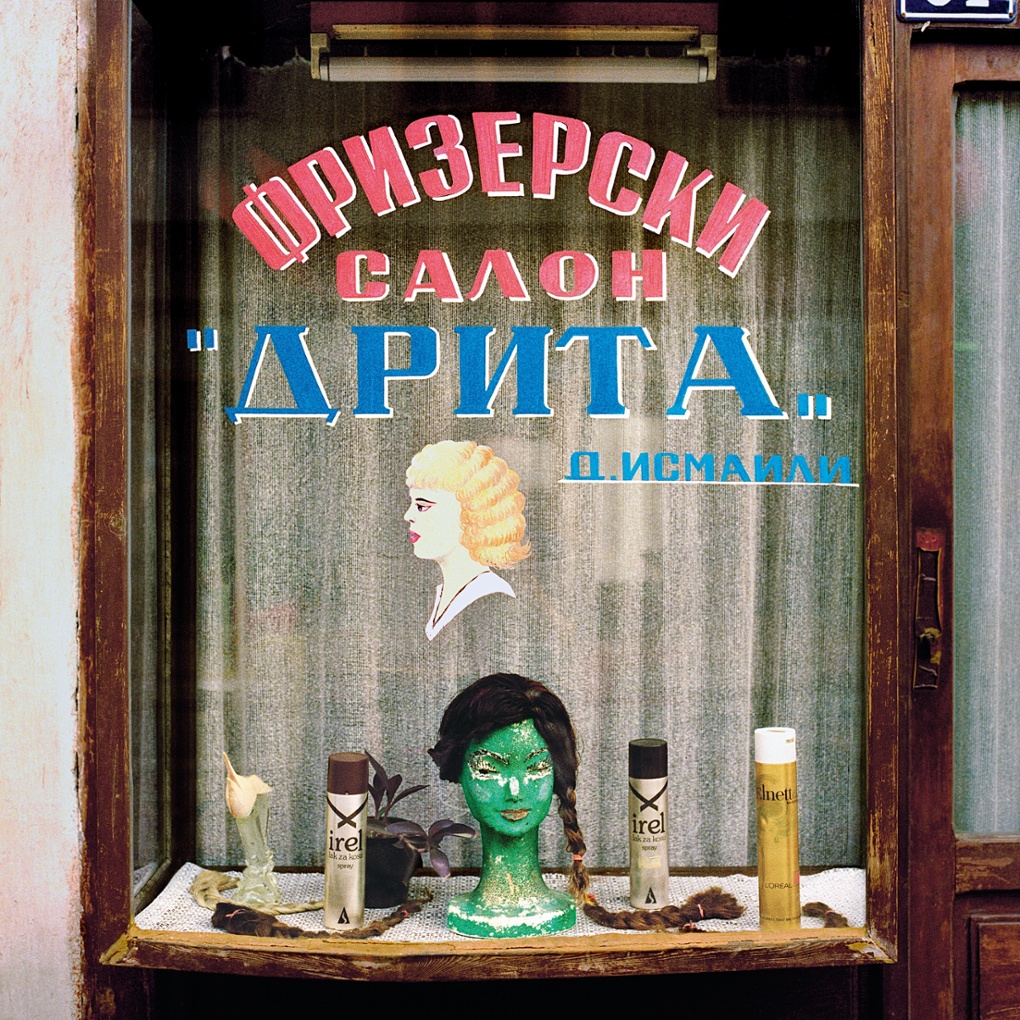
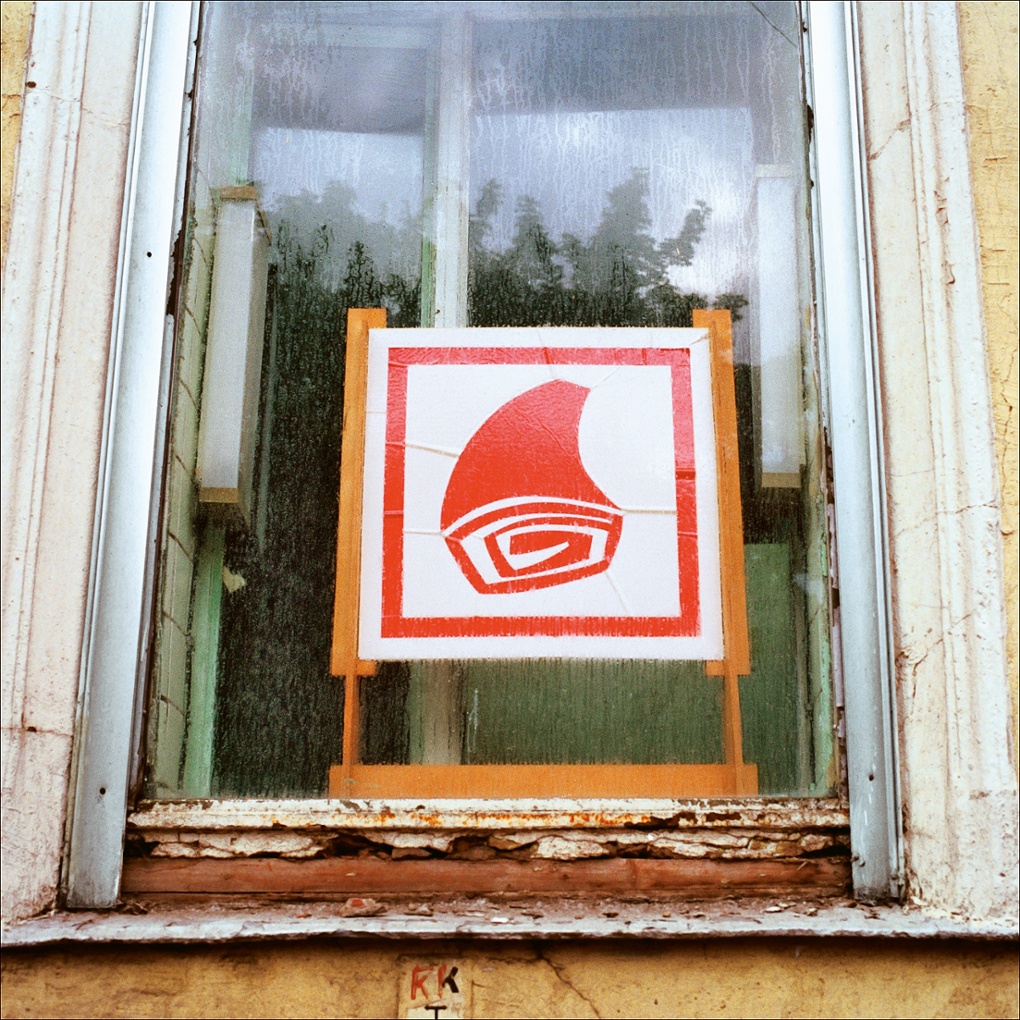
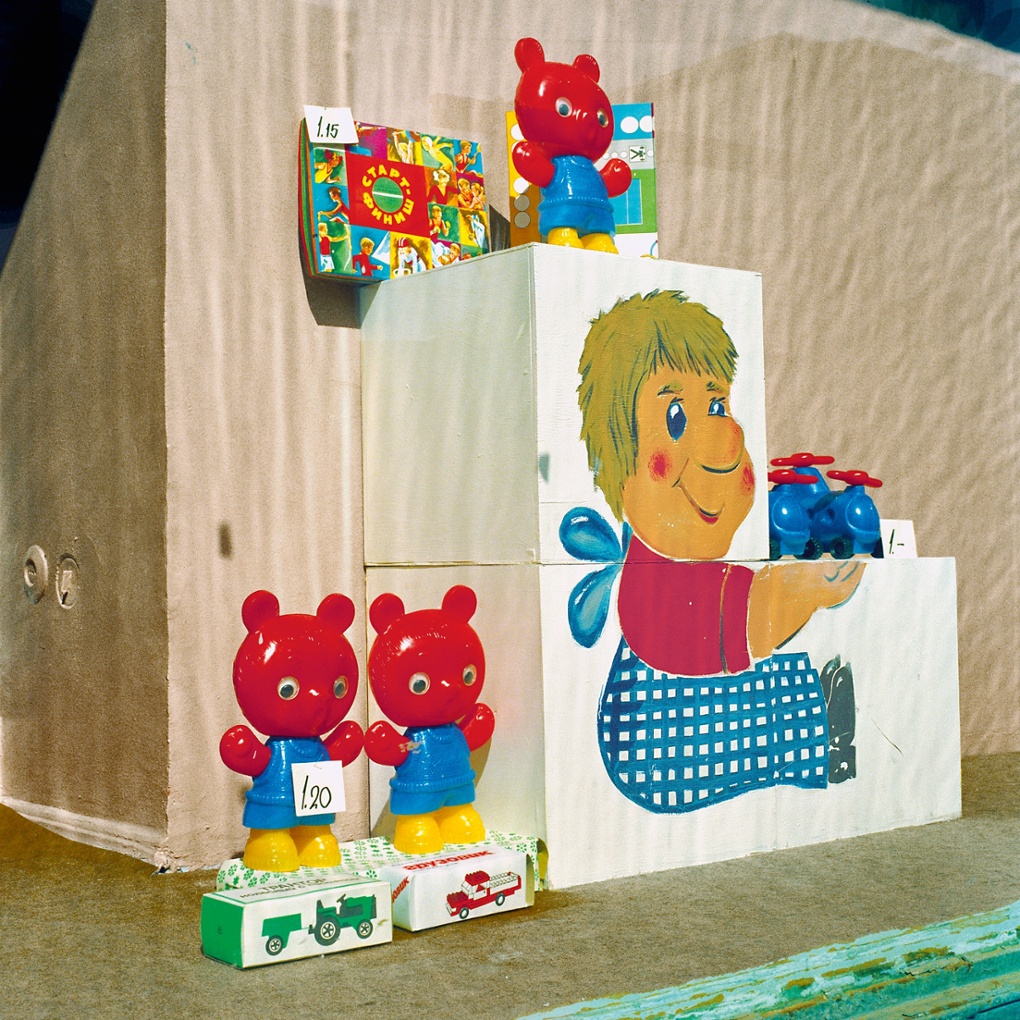
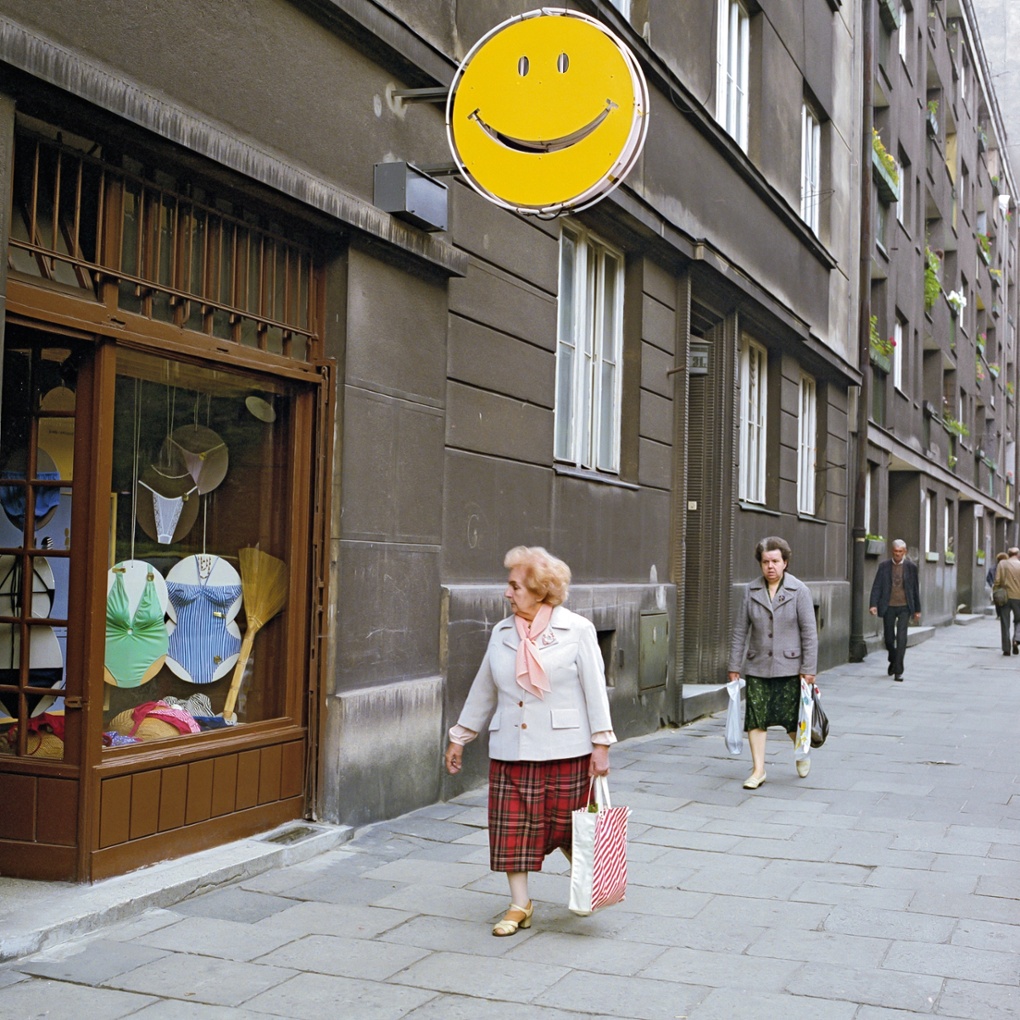
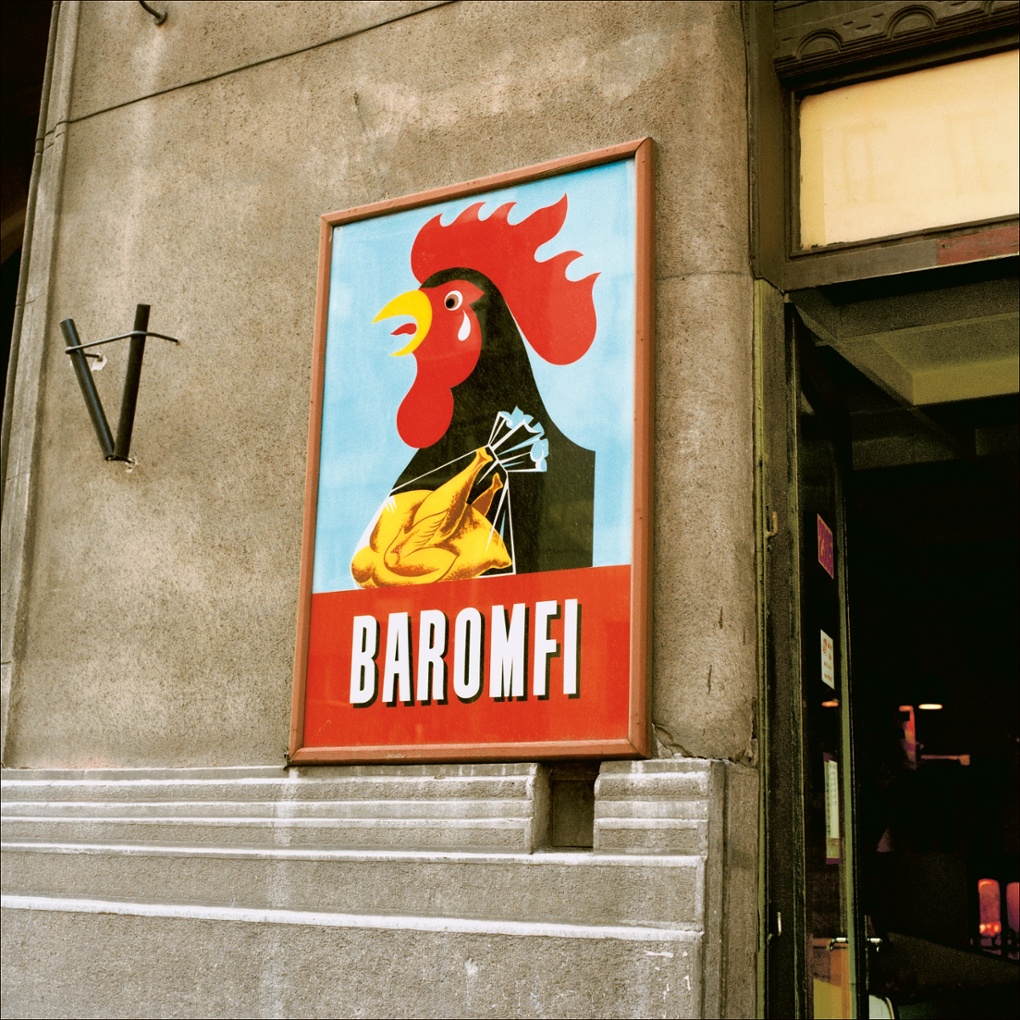
Photographs of shops in eastern Europe a quarter of a century ago have the quirky appeal of some kind of communist pop art. For the 21st-century British viewer accustomed to endless consumer goods and relentless advertising, they are likely to look charming and innocent, even idyllic. Here is the high street purged and purified: shops that sell just one thing, and tell you what it is with minimalist simplicity. A picture of a ham in what otherwise looks like a domestic window announces a ham-seller. A Moscow toy shop has only a handful of simple, plastic toys in the window. Another shop appears to sell nothing but washing powder. Does the Czech window with a picture of a rabbit seen through a telescopic sight advertise rabbits, rifles or both?
The fascination of these images of economic sobriety is that they come from the historical equivalent of an alternative universe. This is shopping, but not as we know it. In this mirror reality, the number of products is tastefully restricted, like the small choice of simple things you might see in a still life by Chardin. A woman sells carrots – and only carrots – from a market stall. Instead of wasting her money on sugared and additive-laden ready meals, her customer will go home and cook a healthy carrot soup.
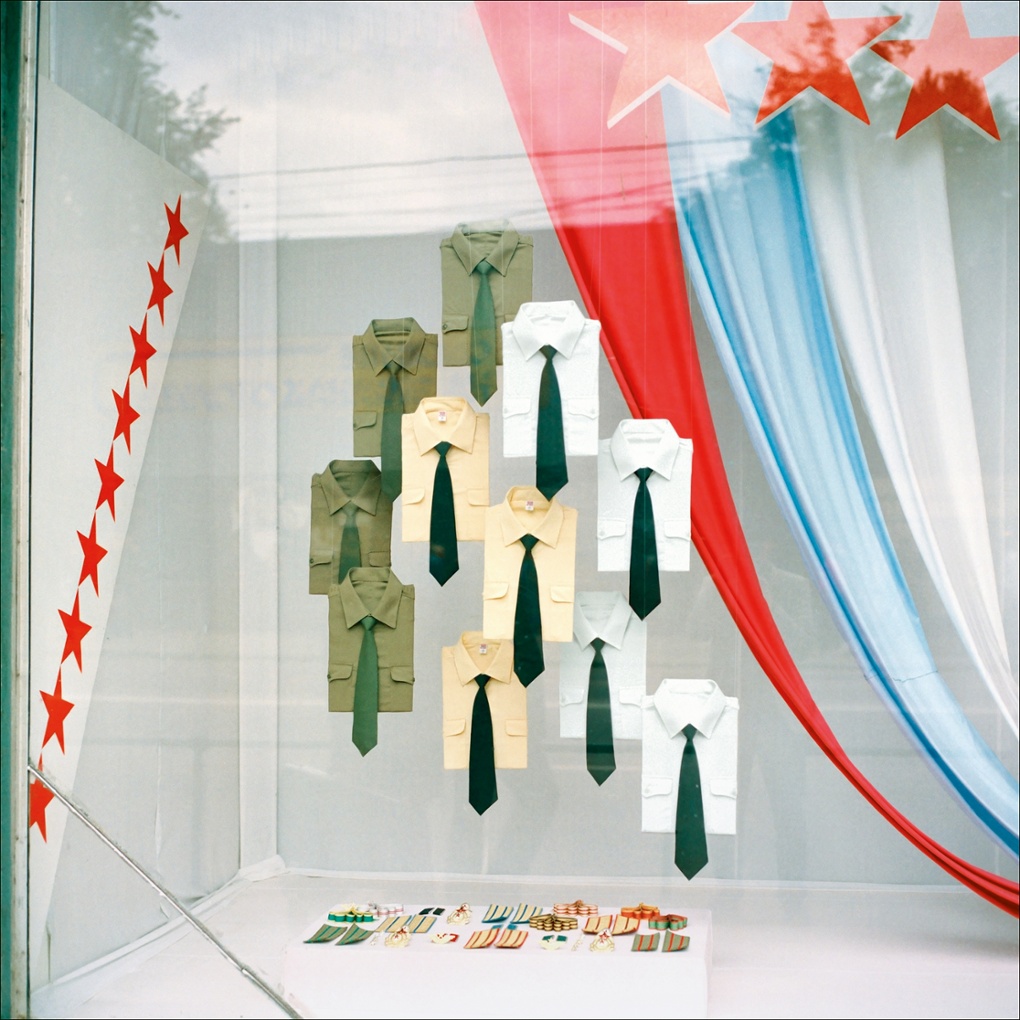
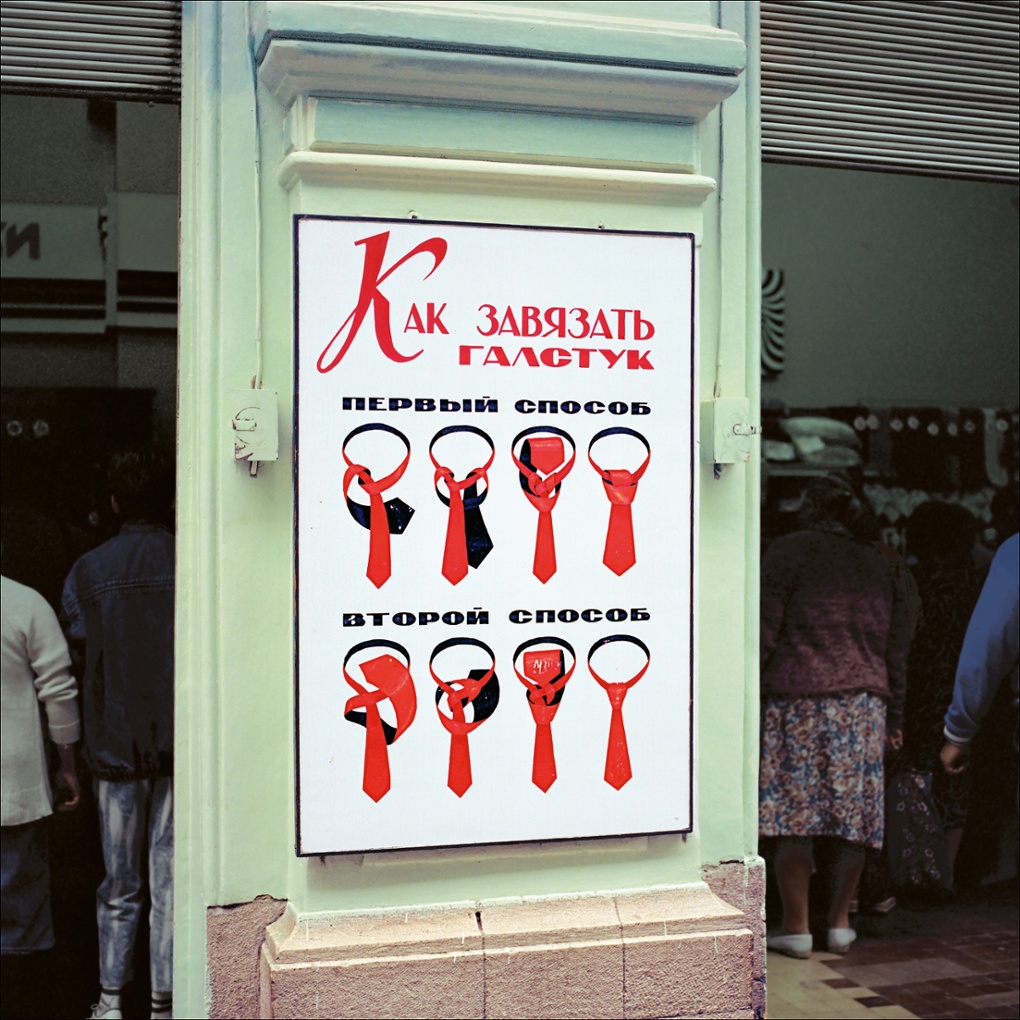
That’s probably enough fellow-travelling, and we should keep our smiles at these pictures strictly ironic. Save it for the album covers, for which they seem made. Looking at a set of near-identical khaki, white and yellow shirts with dark ties in a clothes-shop window in Moscow, it seems clear where Joy Division ordered their stage costumes.
These are not images of an alternative way of life more honest than our own. They are documents of an absurdist economy that was, by the time they were taken – between 1988 and, in Russia, 1990 – a dried-out husk, within the barren remains of which people were trying to live. On a visit to Russia at the time they were taken, I visited a shop where you had to join different queues for each product and, at Moscow airport, ate white gruel ladled out of giant pots.
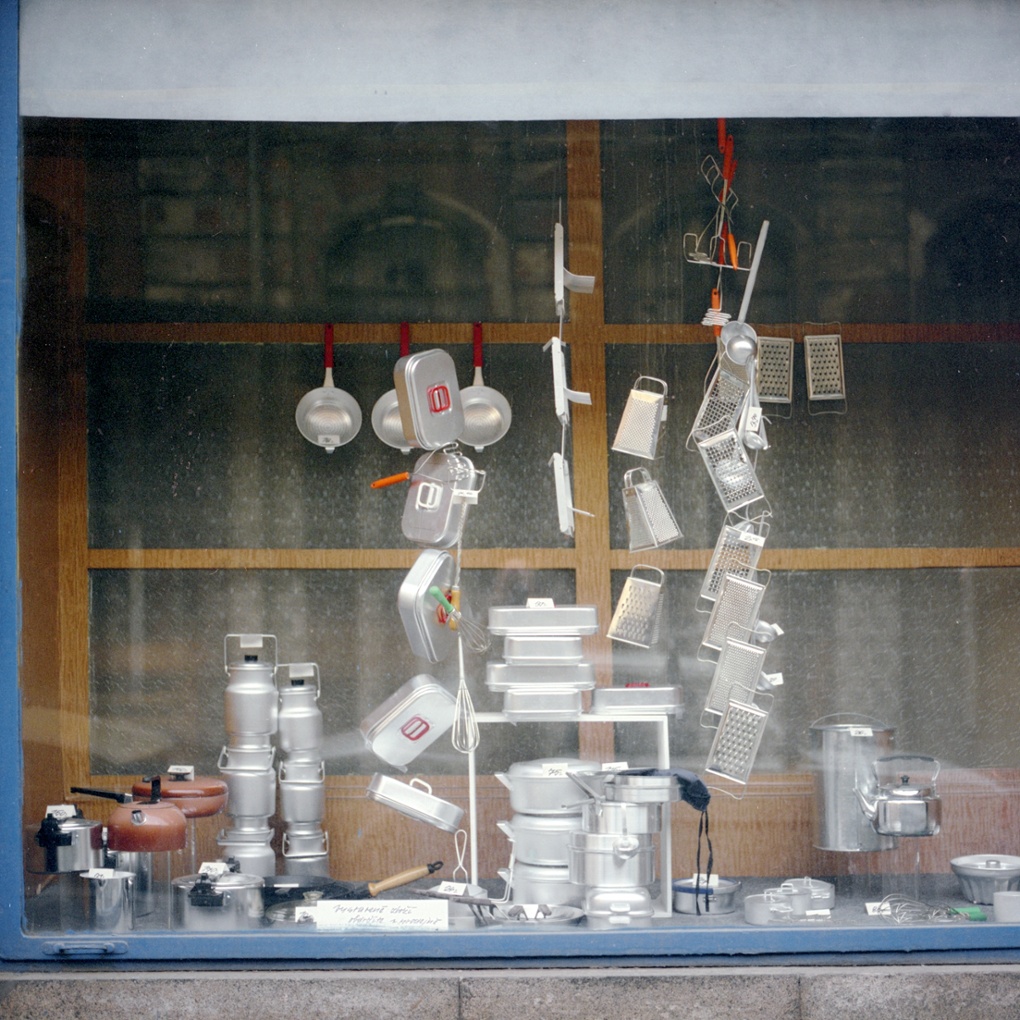
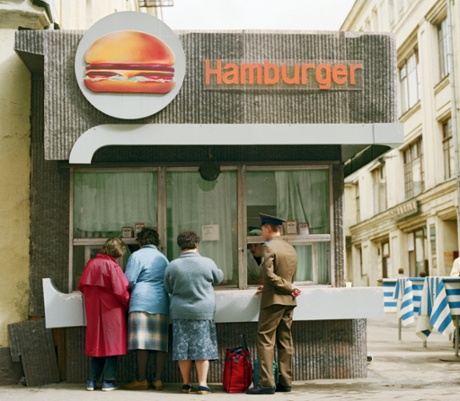
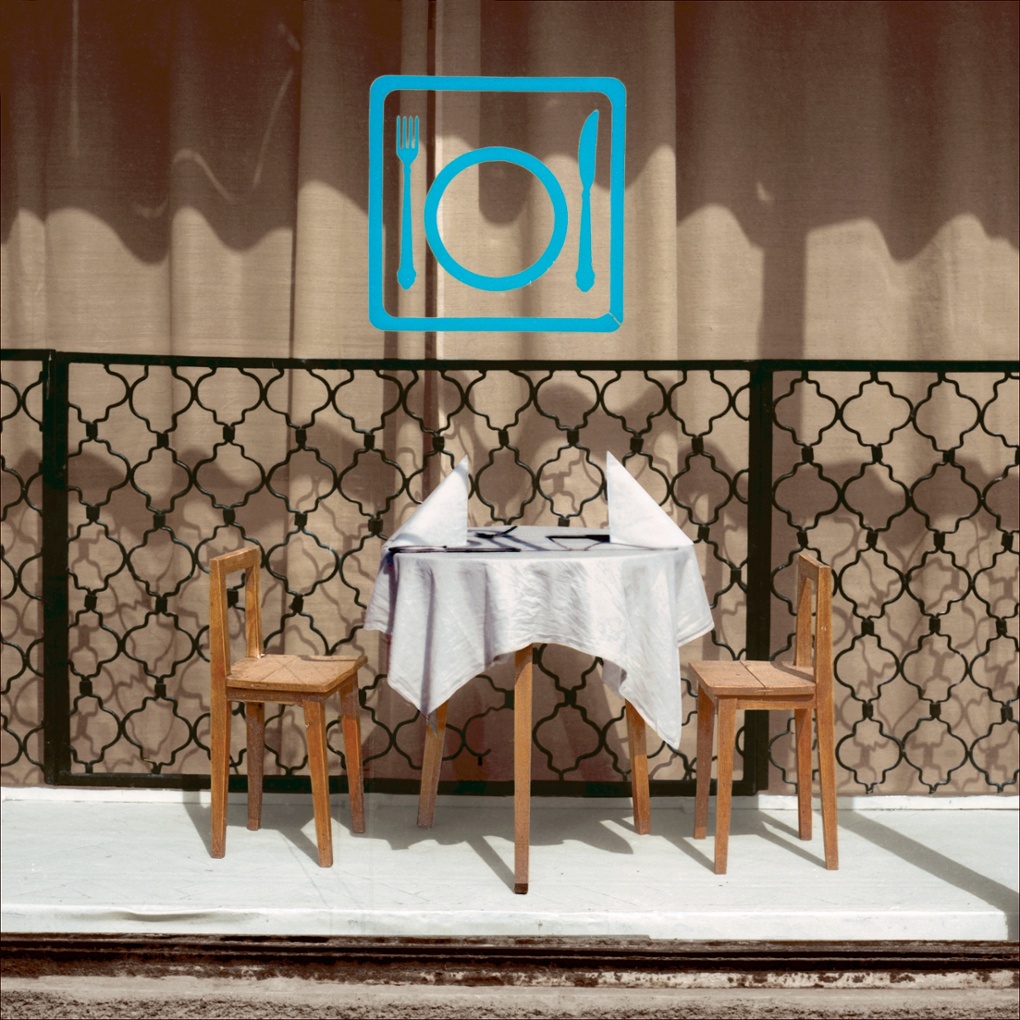
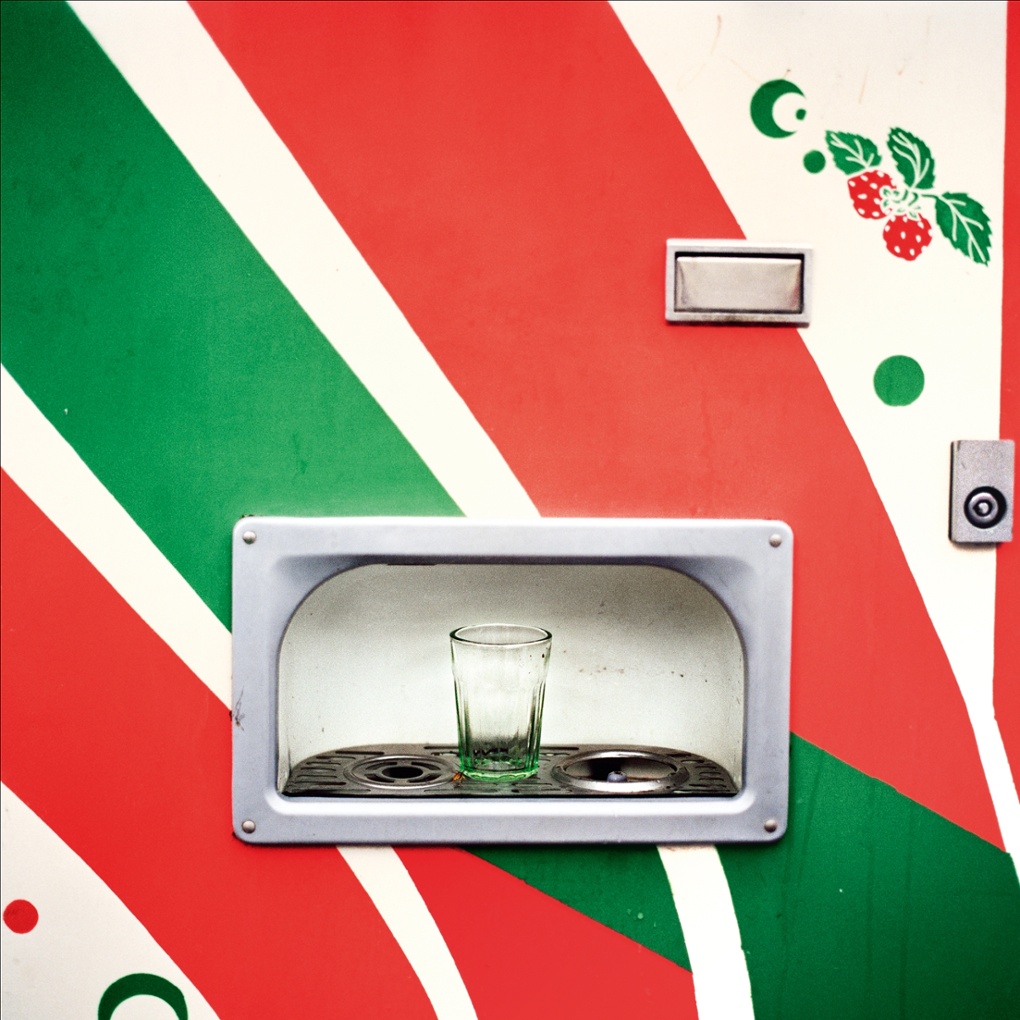
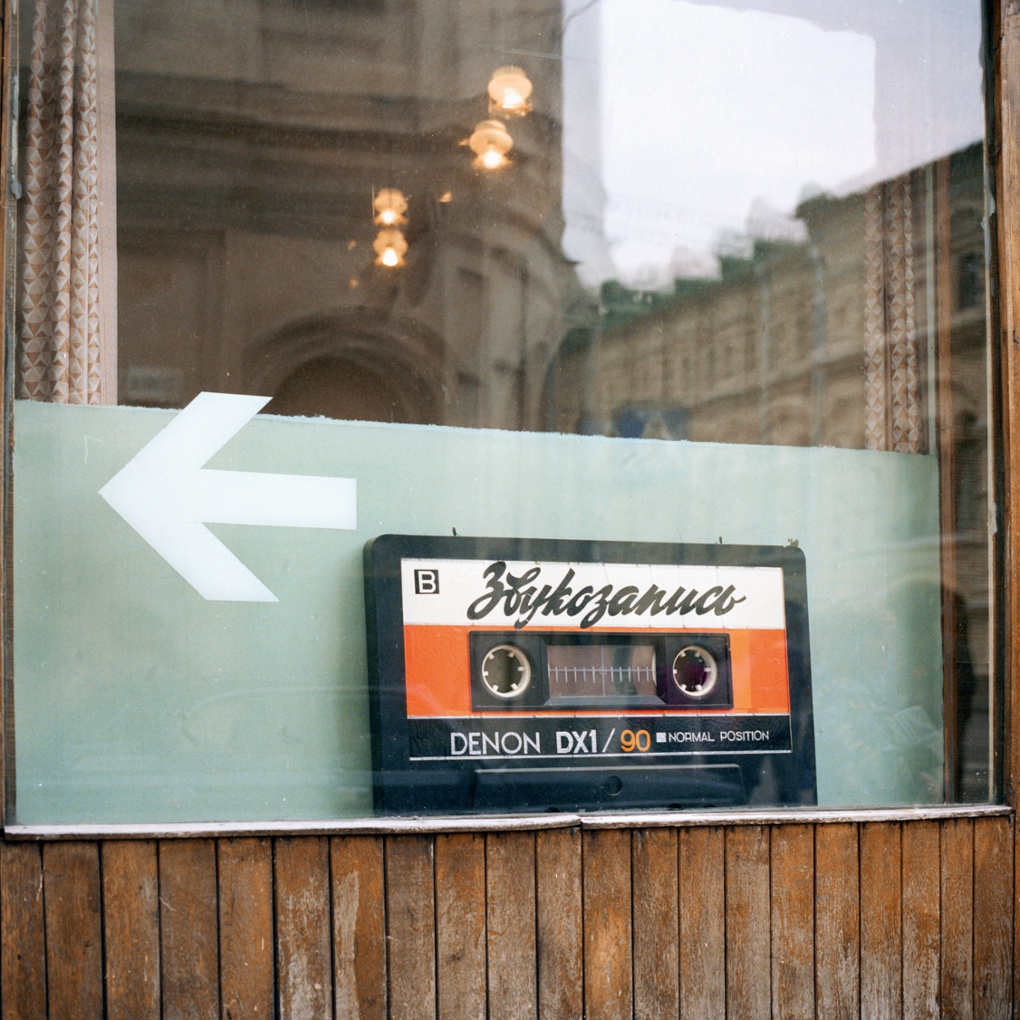
The stylishly art-like installation of metal cookware in a Prague shop window, the restaurant table with an iconic sign for food above it, are pictures of a dying world. They were taken at the end of the cold war, when communist countries could no longer even pretend to be competing with the west, but instead had to allow a slow trickle of consumer pleasures – such as hairspray – to filter into the moribund legacy of exhausted five-year plans. It is the bizarre and incongruous meeting of opposites, as western-style goods like soft drinks and hamburgers are juxtaposed with colourless Marxist austerity, that makes these photos so surreal.
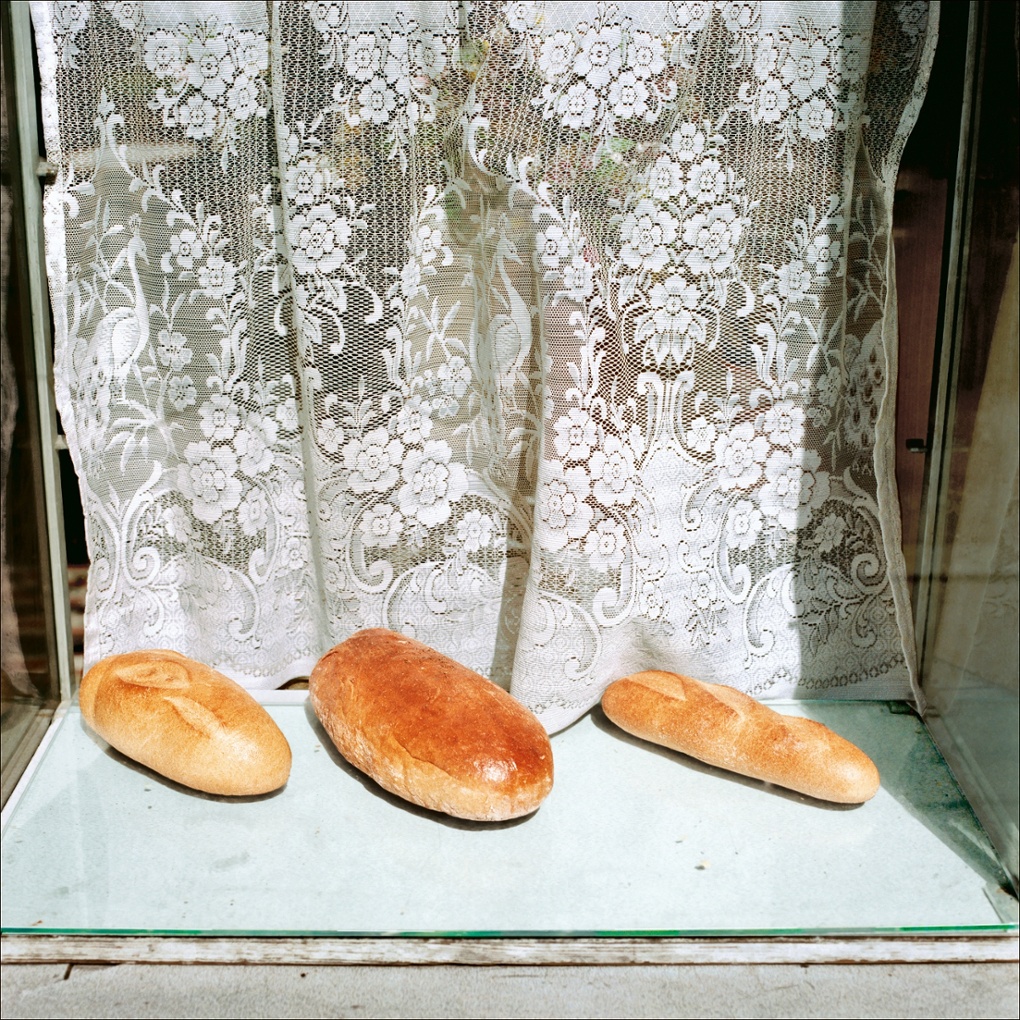
Go to the same cities now and you will see multiplexes, Starbucks and “all the great modern things”, as Andy Warhol called them. What you won’t find are many people who would like to return to a time when three loaves in the window could represent plenty.
Window-Shopping Through the Iron Curtain by David Hlynsky is published by Thames & Hudson, priced at £14.95