A new study has shown that traces of a commonly-used and possibly cancerous weed killer can be found in the majority of wine and beer.
Researches tested five wines and 15 beers from the US, Asia and Europe for traces of pesticide glyphosate.
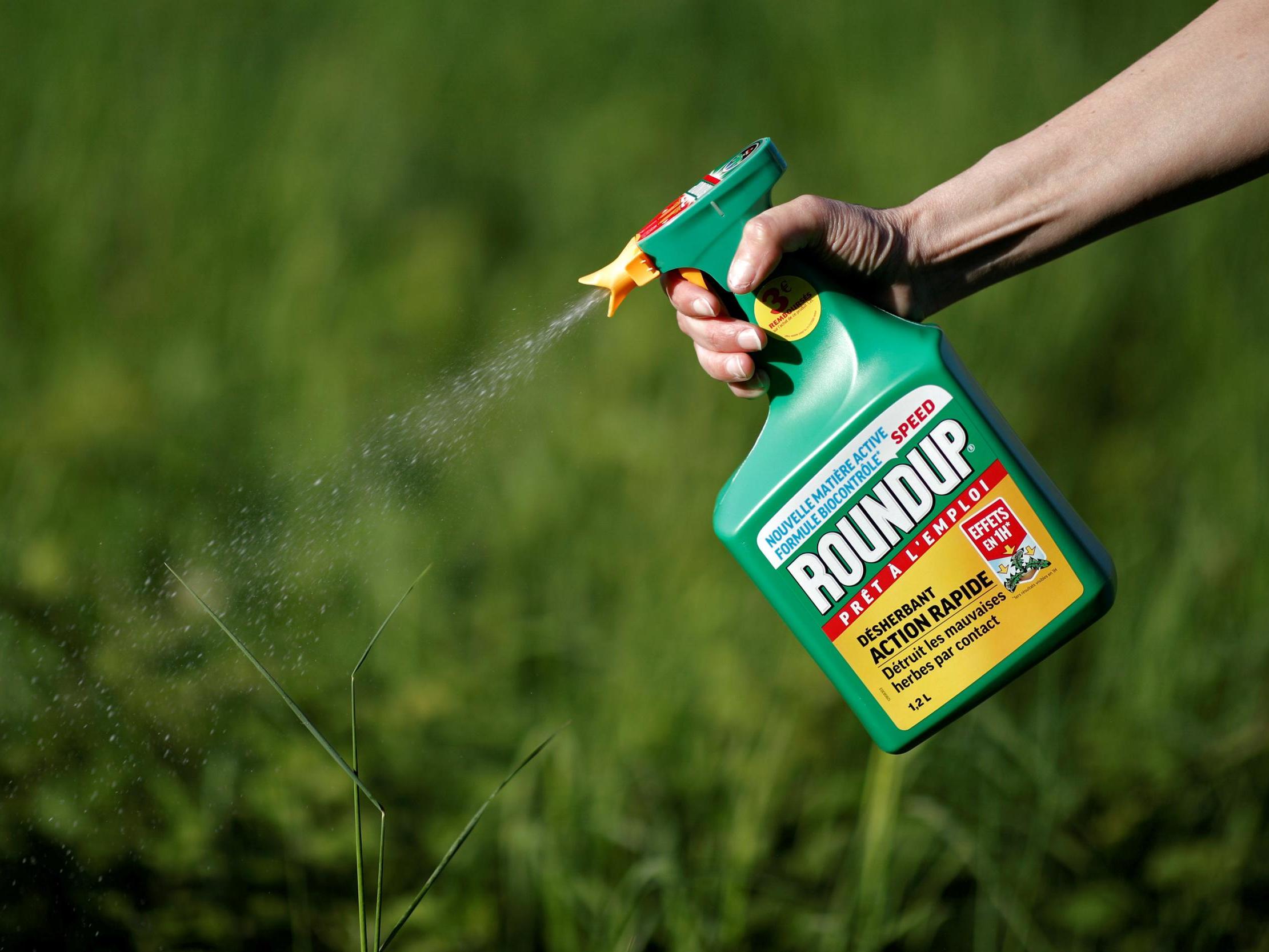
Glyphosate is the main ingredient in Roundup, a common weed killer manufactured by Monsanto.
The research found that of the 20 samples, 19 (95 per cent) contained particles of the chemical, including products labelled as organic.
The US Public Interest Research Group, which conducted the study, said the levels of the pesticide aren’t necessarily dangerous, but are still concerning.
In 2015, the World Health Organisation’s International Agency categorised glyphosate as “probably carcinogenic to humans”, leading the state of California to add it to its list of chemicals that can cause cancer, which makes companies responsible for providing warnings to potential consumers.
The findings of the study coincide with the beginning of a class action lawsuit against Bayer, which acquired Monsanto last year. The suit claims that Roundup caused thousands of plaintiffs to develop non-Hodgkins lymphoma, a type of blood cancer.
The first plaintiff, Ed Hardeman, testified this week, alleging that his use of the chemical on his 56 acres of land caused him to develop cancer aged 66.
Bayer’s attorneys are arguing against this claim, saying Hardeman had other risk factors which contributed to his developing the disease.
In 2017 the EU relicensed the product for sale for five years, despite campaigns to ban the sale of Roundup due to the health concerns associated with glyphosate. French president Emmanuel Macron made banning the pesticide one of his campaign promises.
Last year in a similar suit a jury awarded Dewayne Johnson, a 46-year-old former California school groundskeeper with terminal non-Hodgkins lymphoma, $289m in damages against Bayer, which has appealed.
Bayer has not commented on the results of the study, but the researchers are calling for glyphosate to be banned unless it can be proven safe.