
Wi-Fi 8 is on the horizon, and the top wireless router manufacturers are already jockeying for position. TP-Link is the top seller of consumer wireless routers in the United States by a large margin, and it announced today the roadmap for its next-generation platform of Wi-Fi 8 (802.11bn) products.
Go deeper with TH Premium: Taiwan, trade, and tariffs
- China's latest round of rare-earth export controls explained
- Analyzing Washington's new AI accelerator export rules
- U.S. government plans tariff exemptions for TSMC
- Nvidia wants China's market share to secure the future of CUDA in the region
According to the company, the first product to launch will be a standalone Archer 8 Wi-Fi 8 router in October 2026 (tentatively). That will be followed by the company's first Deco 8 mesh router during Q1 2027 and a Roam 8 travel router during Q2 2027. TP-Link hopes to round out its Wi-Fi 8 networking portfolio in Q2 2027 with a line of range extenders and client adapters (likely in both USB and PCIe versions).
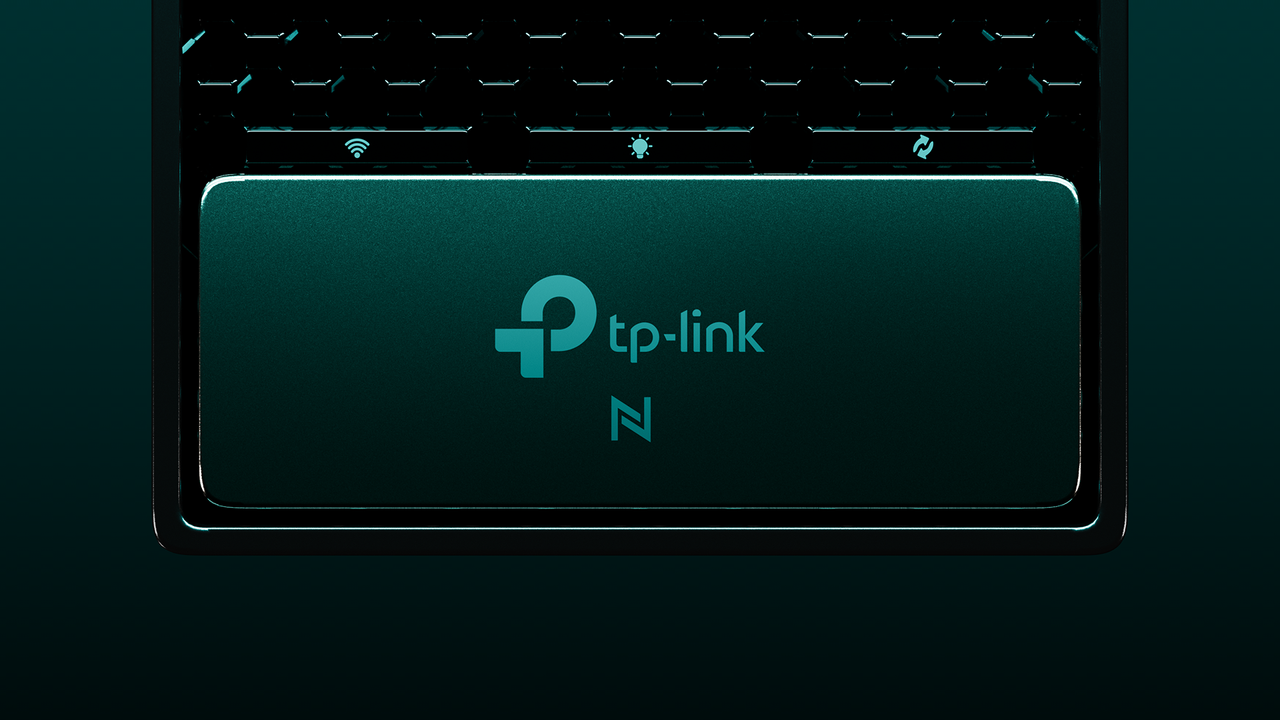
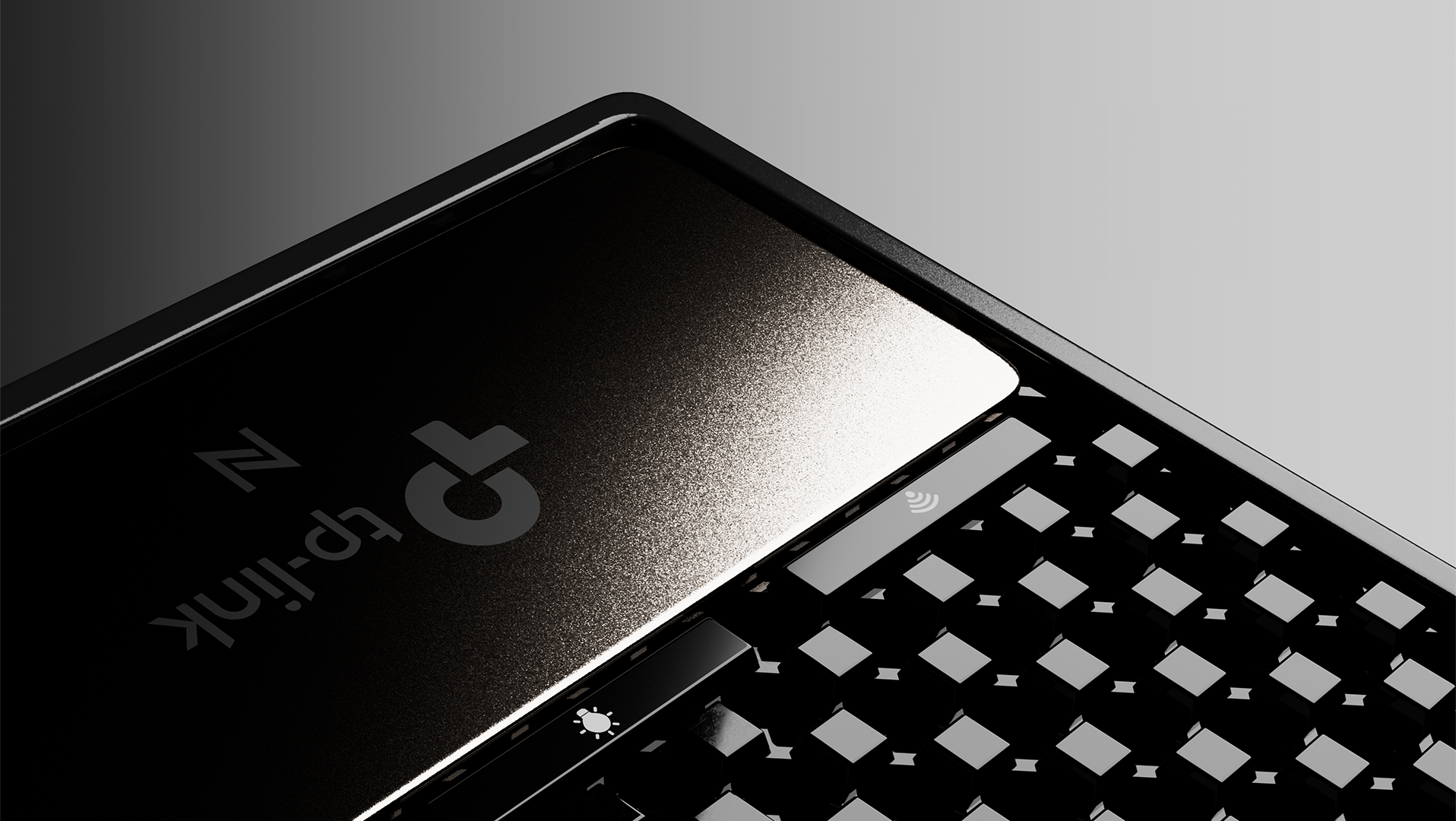
Since the Archer 8 is the closest to release, TP-Link has provided some information and teaser images showing what to expect in terms of design. The Archer 8 family will feature a "minimalist architectural form," micro-ridge textures, and RGB lighting up front for some visual flair. Internally, the Archer 8 will benefit from AI assistance to improve network performance and reliability, improved thermal performance, and optimized antenna design.
As we've reported previously, Wi-Fi 8 isn't tasked with bringing another huge leap in theoretical speeds for wireless devices, as were promised with older Wi-Fi 6E and Wi-Fi 7 standards. Instead, Wi-Fi 8 focuses on improving real-world performance and range so that devices can more closely approach the theoretical speeds promised in earlier Wi-Fi iterations.
"For years, Wi-Fi innovation has been measured by peak theoretical speeds," explained Jeff Barney, President of TP-Link Systems Inc. "But what users actually care about is consistency. Archer 8 is designed to deliver exactly that: lower latency, better performance under interference, and more stable connectivity in real-world environments."
Compared to its Wi-Fi 7 products, TP-Link says its Wi-Fi 8 offerings will deliver up to a 33 percent uplift in real-world throughput via enhanced modulation and encoding, and another 15 percent increase in mesh performance under heavy load. The company also quotes a 30 percent improvement in signal performance and a 1-3 dB improvement in receive sensitivity across the 5 GHz and 6 GHz bands.
With that said, while all of these improvements for the upcoming Archer 8, Deco 8, and Roam 8 products are welcome, there's still one big problem – TP-Link has yet to secure approval from the Federal Communications Commission (FCC) to sell new Wi-Fi products in the United States. TP-Link produces its routers destined for the U.S. market in other countries (such as Vietnam), which runs afoul of the FCC’s edict. The FCC considers these routers a national security risk and requires router manufacturers to apply for acceptance on the Covered List.
While competing manufacturers like Netgear and Amazon/Eero already secured conditional approval on the Covered List to sell future Wi-Fi products in the U.S., TP-Link has yet to receive the same status. The development is not exactly surprising, as TP-Link has been a frequent target of the U.S. government over its complex ties to China.