Remember when Dodge launched the third-generation Viper exclusively under the SRT name? At the time, Dodge wanted its Street & Racing Technology performance sub-brand to become something bigger—an entire lineup of SRT-branded performance products that would stand out from Dodge’s ho-hum offerings, like the Caravan and Journey.
It was a good idea in theory; people associated the SRT badge with performance, so why wouldn’t it be able to sustain an entire range of go-fast products propped up by the Viper? But after just two years of slow sales amid confusing branding, the Viper was back in the Dodge lineup, and executives quietly tried to sweep the entire marketing mishap under the rug.
"I think the SRT brand is a natural extension of Dodge as we currently frame Dodge," then Fiat-Chrysler CEO Sergio Marchionne said of the decision to roll SRT back into Dodge. "Dodge is a performance brand; it needs to have SRT."
Toyota, clearly, hasn’t learned from Dodge's mistake.

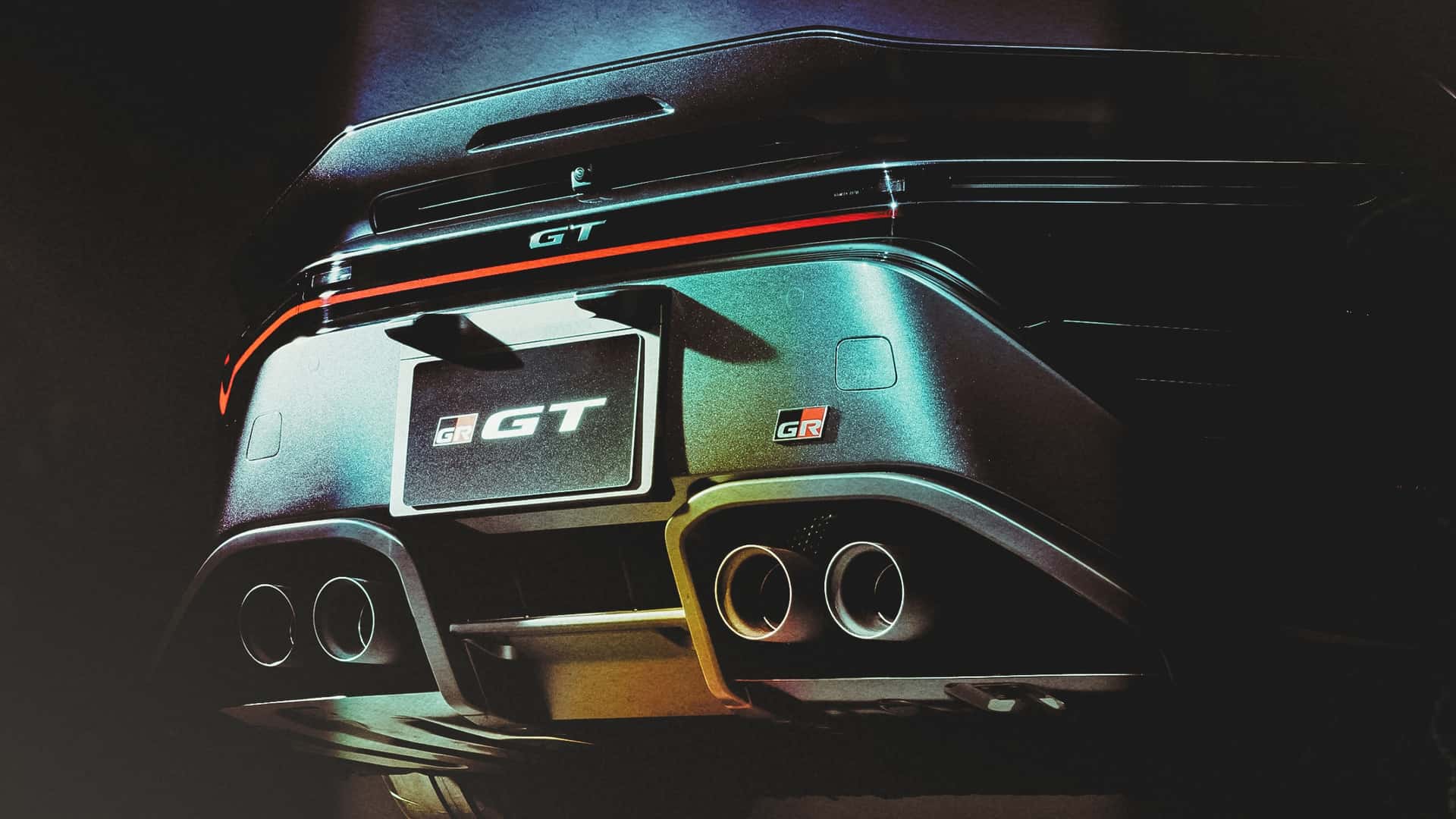
The lovely new GR GT isn’t a Toyota at all—at least, not in name. Although it was fully developed by Toyota engineers in Japan and uses a powertrain and specific components that will inevitably make their way into other Toyota products, the company wants to keep Gazoo Racing separate. A standalone entity.
The goal—much like Dodge’s failed attempt with SRT—is to turn GR into a performance brand with an entire range of products that are entirely separate from Toyota. The GT will act as the new brand’s halo, while a range of GR-only performance cars could live beneath it, as evidenced by some recent patent filings.
Not only does Toyota plan to keep the GR name separate, it doesn’t even want the damn car at its dealerships. In the US, buyers will have to head to select Lexus dealerships in order to get their hands on the new GT sports car. Honestly, that’s probably preferable for customers about to drop $225,000 on a sports car, particularly for things like regular maintenance and the overall dealership experience. But if that’s the case, why not just make this car a Lexus in the first place?
The goal—much like Dodge’s failed attempt with SRT—is to turn GR into a performance brand with an entire range of products that are entirely separate from Toyota.
Other companies have experimented with this idea, to varied success. Dodge turned the "Ram" truck into a successful brand, Hyundai transformed its "Genesis" badge into an entire range of luxury products, and Volvo made "Polestar" its first EV brand. Unlike what Toyota is attempting to do here, though (and what Dodge attempted with SRT), Ram, Hyundai, and Volvo spent millions of dollars building out robust dealer networks and hiring employees, all in an effort to support their new brands. And so far, it’s worked.
Ford took a more measured approach with the Mustang Mach-E, which technically doesn’t wear a Ford badge at all. While not an outright spinoff a la GR or SRT, Ford knew the power of the Mustang brand well. That’s why, from the beginning, Ford execs wanted to make sure the Mach-E was marketed in a way that customers wouldn’t immediately write it off as another electric appliance.
"Our idea was we didn’t want to create a commodity product. We wanted to put emotion into electric vehicles," said CEO Jim Farley in an interview. "That’s why we started with a Mustang."
Granted, fans have been vocal about the fact that the Mach-E shouldn’t wear a Mustang badge at all (including us). But for the most part, Ford’s cautious approach of "expanding" its Mustang name has worked. Most customers know the difference between the Mustang and the Mustang Mach-E, internet commenters be damned.
Chevrolet has toyed with the idea of spinning off Corvette into its own performance brand, too, with ongoing rumors of high-performance Corvette SUVs and sedans alongside the beloved sports car. Most of which are unfounded. Unlike Dodge and Toyota, though, Chevy recognizes just how important the Bowtie—and its robust dealer network—is to the Corvette’s overall success.
GM President Mark Reuss said previously, "We'd never, I don't think, take [Corvette] out of Chevrolet because the core of Chevrolet is offering people more than they thought for the money. We don't need to go out and do other things."
I get it: Toyota really wants to prop up its Gazoo Racing name, and rightfully so. The products currently offered in the US with a GR badge are some of the automaker’s best—the GR86, the GR Corolla, and the GR Supra. We can’t imagine a 650-horsepower GR sports car will be any less thrilling.
But the proposition of a standalone GR sports car and an entire range of standalone GR products is a confusing proposition that won’t work without the proper backing. So, unless Toyota plans to build out an entire dealer network and hire entirely new product, marketing, and engineering teams to support a standalone GR brand, we can’t imagine this idea will last.