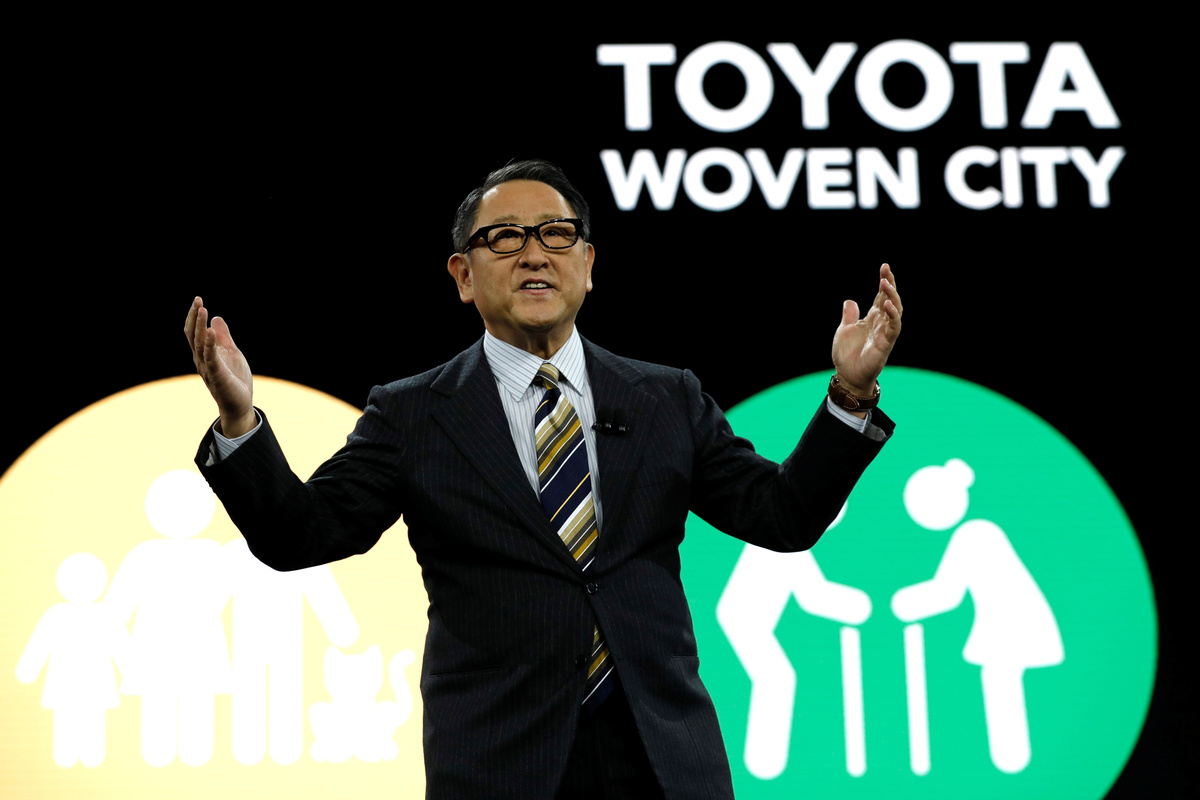
Toyota Motor Corp <7203.T> said on Monday it planned to build a prototype "city of the future" at the base of Japan's Mt. Fuji, powered by hydrogen fuel cells and functioning as a laboratory for autonomous cars, "smart homes," artificial intelligence and other technologies.
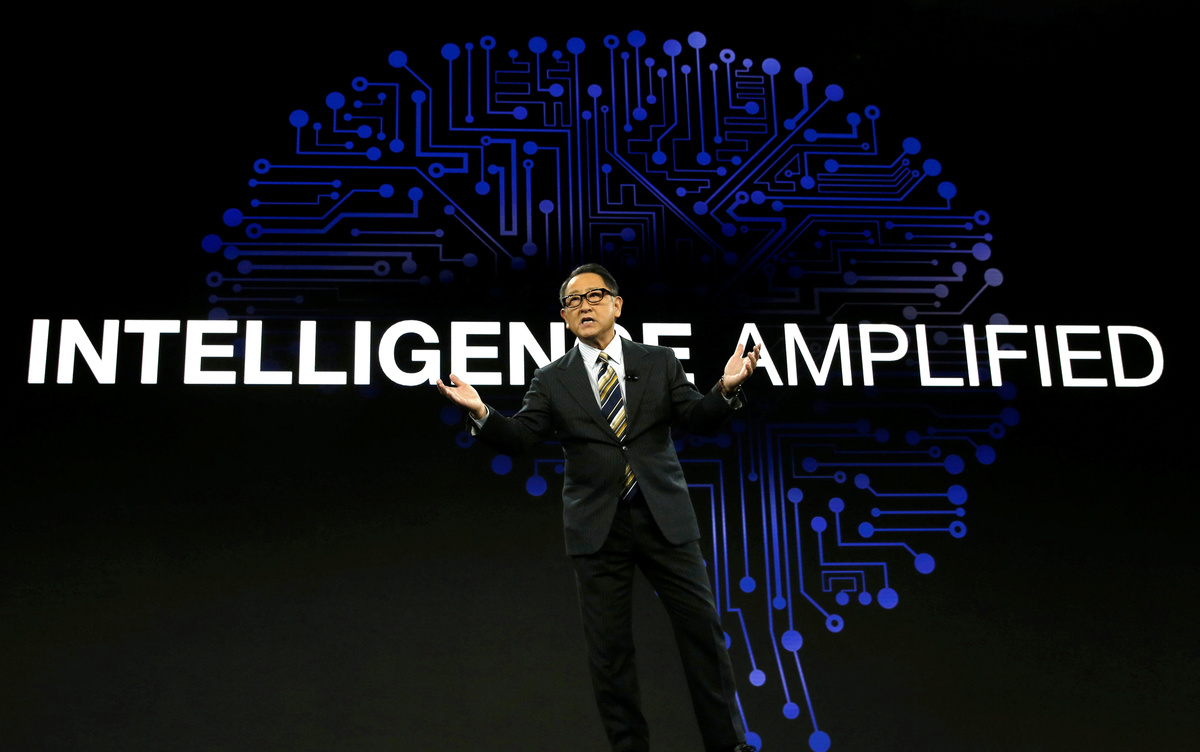
Toyota unveiled the audacious plan for what it will call "Woven City", in a reference to its origins as a loom manufacturer, at the big annual technology industry show, CES.
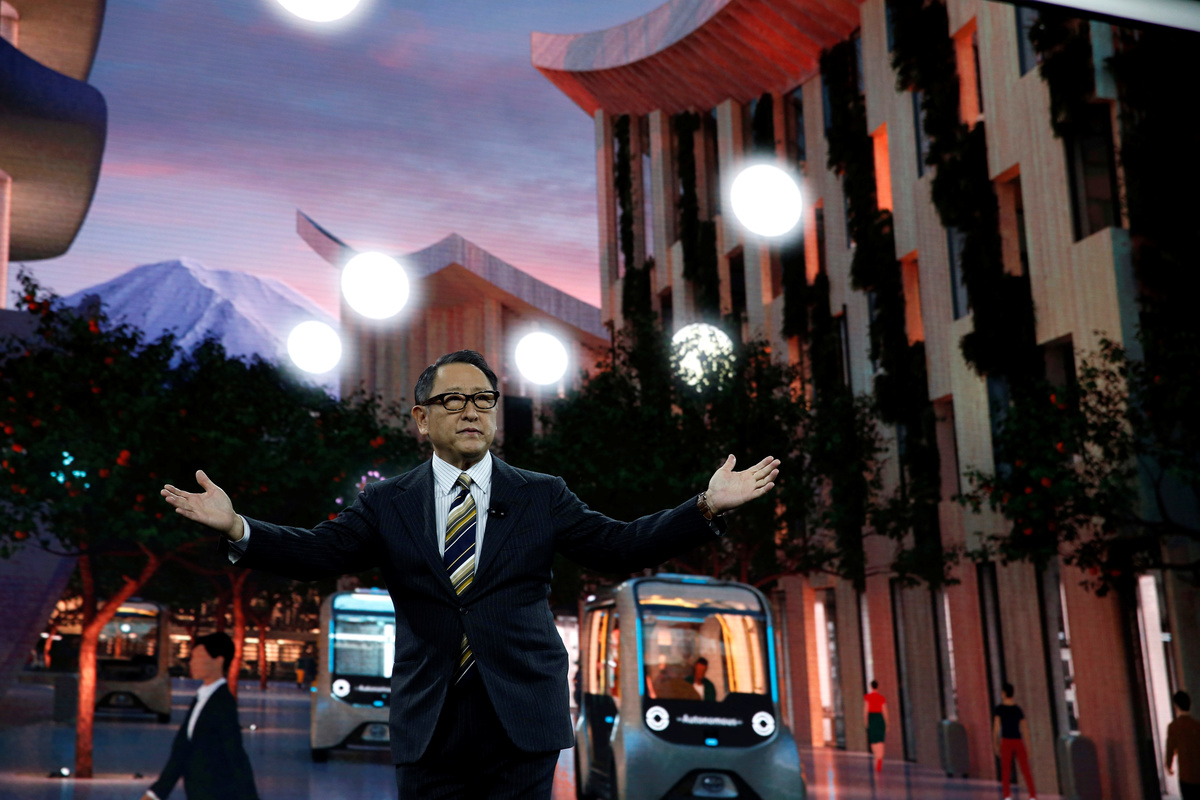
"It's hard to learn something about a smart city if you are only building a smart block," James Kuffner, chief executive officer for the Toyota Research Institute-Advanced Development, told Reuters.
The "Woven City" idea, under discussion for a year, is aimed at creating safer, cleaner, more fun cities and learning lessons that could be applied around the world, he added.
It will have police, fire and ambulance services, schools and could be home to a mix of Toyota employees, retirees and others, Kuffner said.
The development, to be built on the site of a car factory that is planned to be closed by the end of 2020, will begin with 2,000 residents in coming years, and also serve as a home to researchers.
Toyota did not disclose costs for the project, whose construction is scheduled to start next year, and which seeks to re-imagine a city, but executives said it had been extensively vetted and had a budget.
The plan for a futuristic community on 175 acres (71 hectares) is a big step beyond proposals from Toyota's rivals.
Executives at many major automakers have talked about how cities of the future could be designed to cut climate-changing emissions, reduce congestion and apply internet technology to everyday life.
The company's proposal showcases not only the ambition of Chief Executive Akio Toyoda, but also the financial and political resources Toyota can bring to bear, especially in its home country.
"You know if you build it, they will come," said Toyoda, who called the project "my personal 'field of dreams.'"
Toyota Housing, a company unit, has sold more than 100,000 homes in Japan in 37 years.
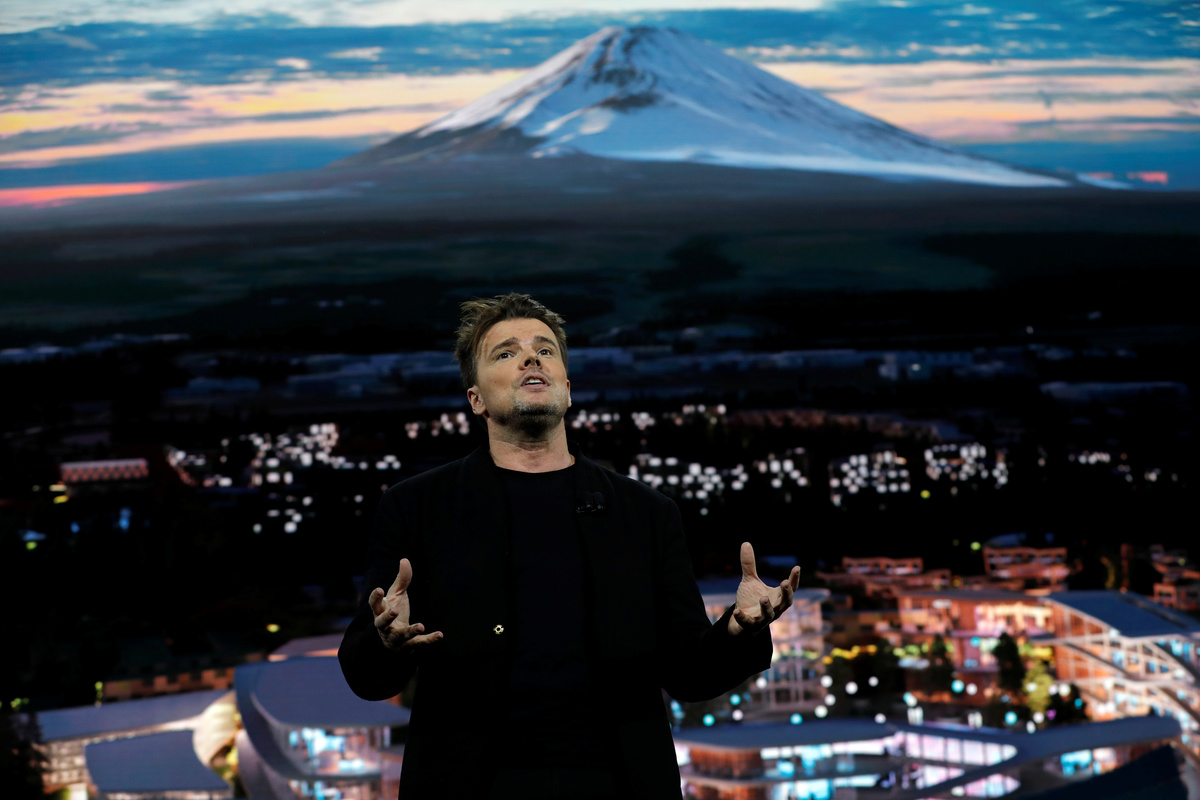
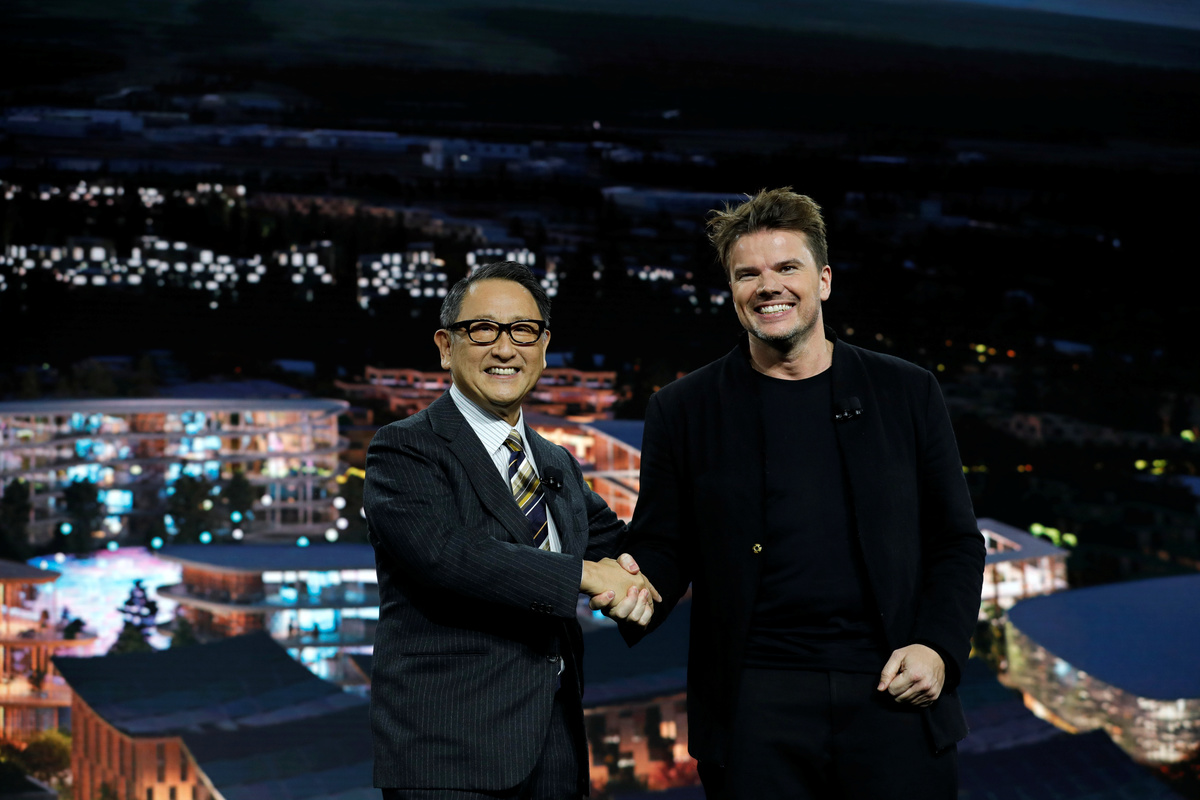
Toyota said it had commissioned Danish architect Bjarke Ingels to design the community. Ingels' firm designed the 2 World Trade Center building in New York and technology giant Google's offices in Silicon Valley and London.
Toyota said it is open to partnerships with other companies seeking to use the project as a testing ground for technology.
Still Toyoda acknowledged not all may see the wisdom of what could be an expensive and lengthy project.
"You may be thinking, 'Has this guy lost his mind?'" Toyoda asked an audience in Las Vegas, to laughter. "'Is he like a Japanese version of Willy Wonka?' Perhaps."
(Reporting by Jane Lanhee Lee and David Shepardson; Writing by Joe White; Editing by Dan Grebler and Clarence Fernandez)