Air pollution is one of the greatest environmental threats to human health. Every day, 99% of the global population breathes in invisible microparticles from dirty air, which enter our bloodstream and cause damage to our cells and organs. This contributes to 7.9 million deaths around the world every year and is responsible for a host of preventable diseases such as asthma, respiratory disease, stroke, heart attacks, cancer and dementia, as well as low birth weight, stillbirths and miscarriages. Air pollution is now deadlier than tobacco.
In 2023 alone, 10 million people in Thailand sought treatment for pollution-related illnesses. Promisingly, Thailand's Cabinet recently approved the Clean Air Bill for resubmission to parliament for deliberation.
As policymakers gather for the World Health Assembly this week, a new report from the Union for International Cancer Control (UICC), supported by the Clean Air Fund, makes it clear that we need urgent action on air pollution.
Every moment of delay means more people across Thailand, Southeast Asia and beyond breathing in cancer-causing toxins, turning preventable illnesses and deaths into a damning cost of inaction. Air pollution causes more than 434,000 cases of lung cancer each year, including nearly 13,500 in South-East Asia alone. Emerging data also indicate that, in addition to increasing the risks of developing cancer, air pollution also increases the risks of dying from cancer.
Overall, the UICC report indicates that exposure to air pollution (PM2.5) is responsible for a 11% increase in the risk of death across all cancer types, which jumps to 11.8% increase for lung cancer, 20% for breast cancer and 14% for liver cancer.
These burdens are not felt equally. People from lower socio-economic backgrounds are more likely to live in high-pollution areas where housing costs are lower, and are more likely to work in jobs with greater exposure to pollutants. These communities often face the gravest threats while having the least developed health systems for tackling cancer risk.
The UICC report illustrates just how stark these disparities can be. Populations living near petrochemical plants have a higher risk of developing childhood leukaemia, while people living near cement factories have an increased risk of lung cancer and malignant bone tumours.
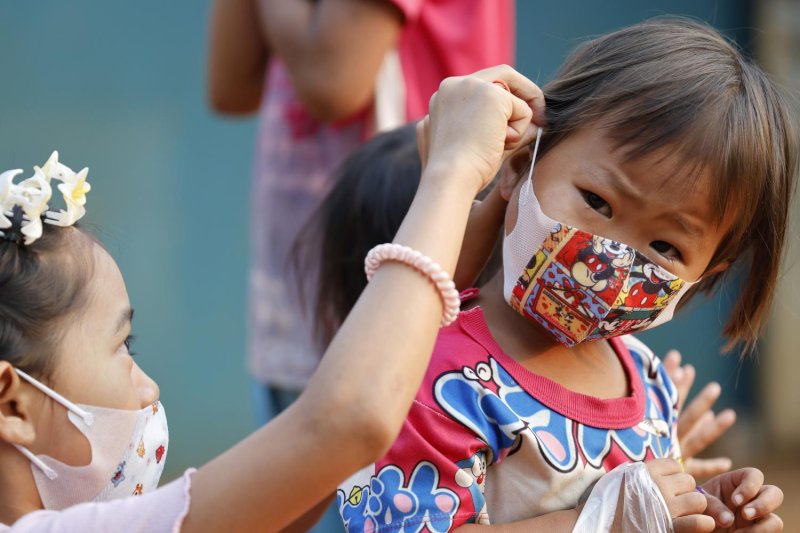
Babies and children are particularly vulnerable to air pollution due to their stage of physical and cognitive development; their faster breathing rate means they draw more air pollution into their developing organs, and they are often closer to ground-level pollution like car exhaust. For children in low-income households, who are more likely to live closest to these pollution sources, that vulnerability is compounded.
At the same time, women and children are increasingly subjected to smoke from fuels used for cooking and heating. Women exposed to household air pollution face a 69% higher risk of lung cancer, alongside increased risks of cervical cancer.
This year's World Health Assembly should elevate clean air to a top global policy priority. Cleaning the air and integrating clean air action into national cancer control plans are among the most powerful public health interventions available, delivering rapid, preventative health gains and easing pressure on health systems. There is a wide range of proven measures to tackle air pollution from around the world, which can be scaled across Thailand and Southeast Asia. From stringent vehicle emissions standards and incentives for using electric vehicles, to clean air zones, from waste management measures that offer a viable alternative to burning rubbish, and alternatives to agricultural waste burning, to strict industrial emissions standards and forest fire prevention measures.
Coordinated action between local and national policymakers, health and medical organisations, and global institutions such as the WHO has the potential to deliver not only huge health, social and environmental benefits, but also an economic case. Air pollution costs the global economy US$6 trillion (5% of global GDP) annually, while some 1.2 billion days are lost to air pollution-related sickness. Southeast Asia alone faces related economic losses of $600 billion (19.6 trillion Thai baht) caused by air pollution, with welfare losses costing up to 10% of GDP.
Acting on air pollution now means we can improve people's chances of leading healthier lives overall, prevent cancers before they start, improve survival for those diagnosed, and ease the strain on health systems. We must seize the opportunity to prevent millions of avoidable deaths and spare many millions more from the misery of living with cancer and other chronic illnesses that are caused or worsened by pollution.
Dr Cary Adams is CEO at the Union for International Cancer Control. Nina Renshaw is Head of Health at the Clean Air Fund.