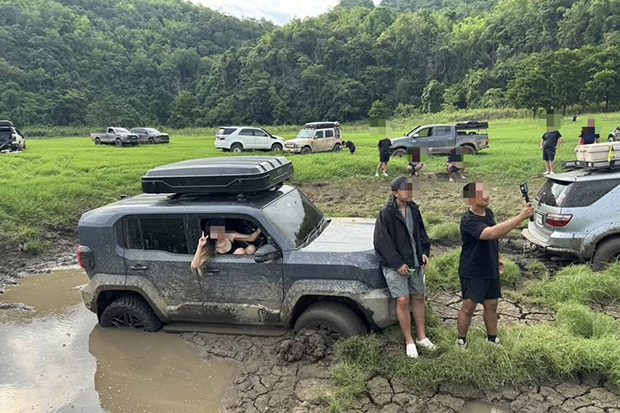
KANCHANABURI - Tourists seen driving recklessly in an area where an old station on the notorious Death Railway was built face charges of damaging the environment of a historical national park.
Pictures of the drivers and passengers were posted on the Thai Burma railway Facebook page on Monday.
Park authorities have directed them to report within seven days to hear charges of damaging the environment and breaching park regulations.
At least eight cars, including 4x4s, and their passengers were seen in the pictures driving on the exposed bed of the Vajiralongkorn Dam reservoir in Sangkhla district. They caused damage to the area where the remnants of Neekey railway station are preserved.
“We are going to drive for fun. The weather is fine,” a woman says in one video clip. The video also showed a four-wheel drive vehicle speeding over the ground, with the sound of people laughing. (continues below)
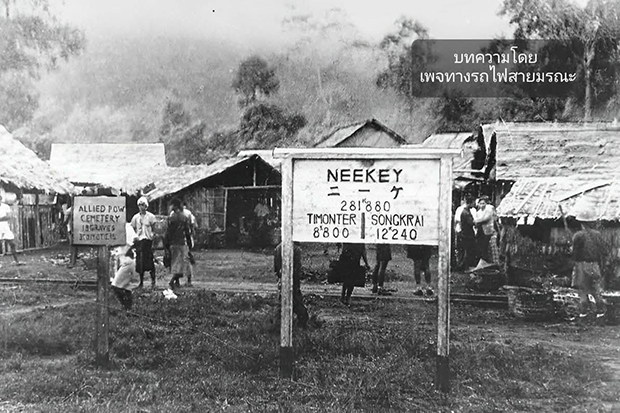
Forgotten station on death railway
Parts of Neekey station in Sangkhla Buri emerged when the Electricity Generating Authority of Thailand drained water from the dam reservoir into the Ranti River, to enable maintenance work, earlier this year. It could become fully visible during the dry season, according to the park.
Neekey station was built by prisoners of war forced to labour by the Japanese during World War II. It was a major stop on the Death Railway, built from Thailand to what was then Burma.
The railway comprised several tracks and depots where steam engines could take on wood fuel and water, according to the Thai Burma railway Facebook page, an historical archive.
The railway was never used as it was bombed by the Allies, who destroyed a major bridge built by prison labour. Most of it was submerged when the dam was built to produce hydropower. Only traces of the track remain.
The Death Railway began at Nong Pla Duk station off the main southern track in Ratchaburi province, joining a line built from the Burmese side. Neekey station in Kanchanaburi province is about 280 kilometres west of Nong Pla Duk station. (continues below)
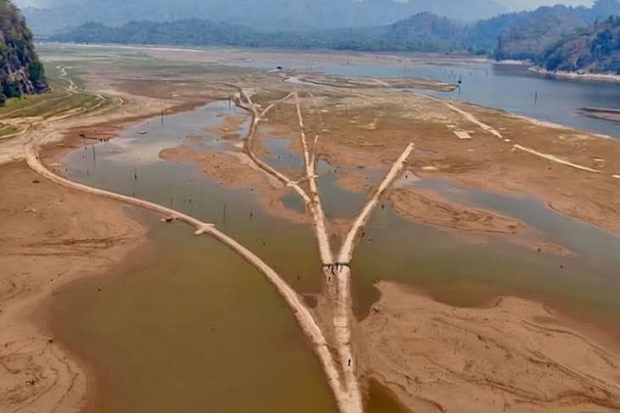
Where’s the station?
Commenters in the Thai Burma railway Facebook page pointed out that the drivers might not have known they were driving on a historical site. The page administrator argued that reckless driving is banned in all national parks.
Khao Laem National Park posted a Facebook message in May warning drivers to stay clear of the old railway line and station when visiting the area.
“Intruding into the park and driving at speed are banned, as it could damage the old train route,” it said. (continues below)
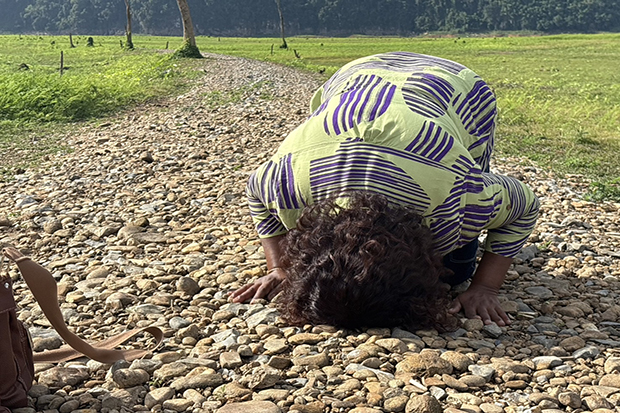
Visit from Malaysia
About 30 Malaysian tourists travelling by train from Malaysia visited the station on Monday.
The group leader, identified only as Chandra, said they wanted to see Neekey station with their own eyes and also pay respect to forebears who died during the construction of the railway. Among the Malaysians who survived were four who were forced to act as interpreters for their Japanese jailers, he said.
One woman in the group knelt down beside the old tracks and cried as she prayed for members of her family who died building it.
The Death Railway workforce comprised over 60,000 Allied prisoners of war (mostly British, Australian and Dutch) and up to 250,000 forced civilian labourers from Burma (now Myanmar), Thailand and Malaya. They suffered under horrific conditions. Tens of thousands died from starvation, overwork and disease.