Tourist destinations across Japan are increasingly concerned that the number of mainly foreign visitors will further decline in the wake of the declaration by the World Health Organization on Wednesday that the spread of the new coronavirus has become a pandemic. Meanwhile, some accommodation facilities are seeking to offer new services to minimize the adverse effects.
"The future has become more uncertain," said a senior official of the Sapporo Tourist Association who could not hide the worry over the pandemic announcement. In Hokkaido, the declaration of an emergency has been issued and temporary closures continue at tourist facilities.
Marathon and race walking events are scheduled to be held in Sapporo during the Tokyo Games.
"This is a very promising year for tourism in Sapporo and Hokkaido," the official said. "I hope things will somehow calm down soon."
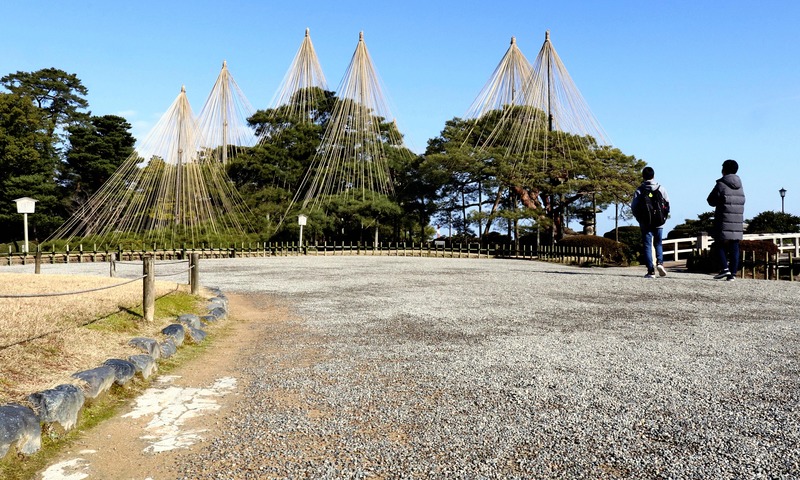
At Kenroku-en garden in Kanazawa, the number of tourists, domestic and foreign, has been decreasing since the end of February. The number of visitors from March 1 to 11 stood at 33,578, down nearly half from a year earlier.
The head of the Kanazawa Castle and Kenroku-en Garden Management Center in Ishikawa Prefecture, said: "We can't see the future. All we can do is wait and see."
The number of visitors to Tokyo Skytree in Sumida Ward, Tokyo, in February also fell by about 30% from the same period a year earlier. It has been temporarily closed through March 15.
A Tokyo Skytree spokesperson said: "The situation remains severe. We'll keep a close watch on the government's response to the situation, such as the request for voluntary restrictions from going out."
Kiyomizudera temple, a World Heritage site in Higashiyama Ward, Kyoto, has remained quiet with few tourists in the precincts.
"Recently, tour groups from Western countries have also decreased noticeably. The number of people around the area is about 10% of the average year," said a 65-year-old man who has run a souvenir shop for more than 30 years.
At Kuromon Market in Chuo Ward, Osaka, which is popular among Chinese tourists, several shops have been shuttered.
"Since March, Japanese customers have also stopped coming and sales have dropped by 80% to 90%. It's like a bottomless marsh," said a 52-year-old man who runs a fish shop.
It also hits the hotel industry hard. At Toyoko Inn Co., which operates 312 business hotels in Japan and overseas, occupancy rates in February fell more than 10% from a year earlier. But new needs are emerging: Some people opt to stay at hotels near their offices to avoid commuting in crowded trains.
"We'd like to consider introducing new services to meet the needs in response to the spread of the infection, such as hourly stays for telecommuting," a spokesperson at the company said.
Read more from The Japan News at https://japannews.yomiuri.co.jp/