Britain has entered a strict nationwide lockdown after Boris Johnson set out new rules in the government's bid to tackle the coronavirus crisis.
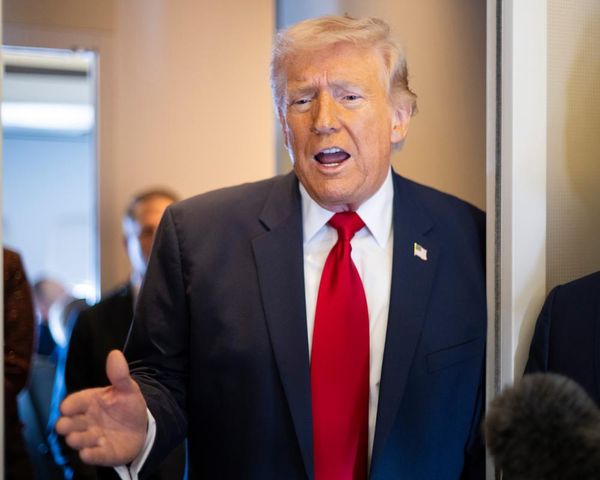
The PM used a historic live TV address last night to order all Brits: "You must stay at home."
Brits are only allowed out in four strict circumstances: to collect vital food and medicines, to exercise once a day, to attend medical appointments or to travel to essential places of work if they cannot work from home.
Social gatherings of more than two people face being broken up by police - and people can now be fined for leaving their homes without a valid reason.
Whilst the measures are dramatic and difficult for people in the UK, other countries have gone even further to try and curb the Covid-19 pandemic.
Below are some tougher measures other nations have imposed.
Have you or a family member been affected by coronavirus? Email webnews@mirror.co.uk

Curfews
Indian police enforced lockdowns across large parts of the country, with curfews in some places, as health officials warned that the coronavirus was spreading out of big cities, where it first appeared into the small towns that dot the landscape.
Egypt has declared a curfew from 7pm to 6am for two weeks starting on Wednesday to counter spread of coronavirus, the prime minister said.
Most public service providers will shut their doors during the curfew period and those who violate the curfew will be subject to measures under Egypt’s emergency laws, Prime Minster Moustafa Madbouly added.

A nationwide night-time curfew came in effect on Monday in Romania. The restrictions will likely extend through the 30-day state of emergency, Reuters reports.
Albanians began life under a 16-hour daily curfew on Monday, as tough measures came into force to limit the spread of the coronavirus.
Ivory Coast and Senegal declared states of emergency on Monday, imposing curfews and travel restrictions, and Jordan extended a curfew indefinitely.

Closed borders
Last week, Brits were advised against non-essential travel to anywhere in the world as the Covid-19 crisis closed borders and left many stranded.
Peru closed its borders for at least 15 days from March 16.
New Zealand has also closed its borders to foreigners.
Poland has closed its borders to foreigners and introduced a "state of epidemic".

Georgia declared a one-month state of emergency on Saturday, banning gatherings of more than 10 people.
The former Soviet republic has also closed its borders, imposed a ban on all foreign citizens entering the country and halted air traffic with other countries.
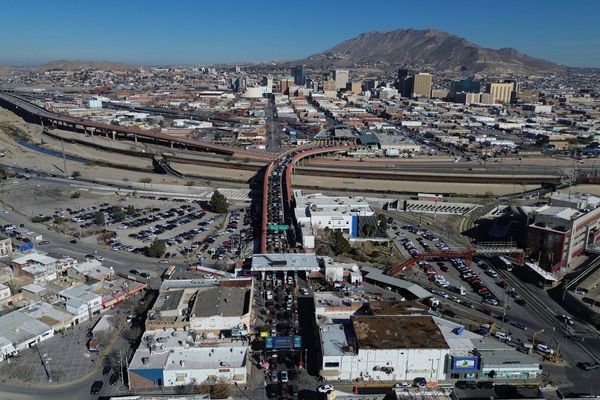
Canada has closed its borders to all but essential travel.
Kazakhstan, which has reported 60 cases of the disease, has closed its borders and locked down its two biggest cities to try to curb the spread of the virus.

Arrests
In Canada, people who know of anyone not self-isolating after returning from international travel are reportedly being told to call the police.
Quebec's chief medical officer said health directors across the country “will have no problem” ordering police to make arrests and ensuring people carrying the virus are isolated, Global News reports.
The Cambodian government has used the coronavirus outbreak to lock up opposition activists and others expressing concern about the virus and the government's response, US-based Human Rights Watch (HRW) said today.

Seventeen people have been arrested since late January for sharing information about the coronavirus in Cambodia, including four members or supporters of the dissolved opposition Cambodia National Rescue Party (CNRP), New York-based Human Rights Watch said.
They were charged with penal code violations including incitement, conspiracy, and spreading false information, the group said.
Twelve were released from detention after signing pledges not to spread "fake news" and to apologise, the group said.

Parks and outdoor spaces closed
The UK is still allowing people to conduct one form of exercise a day outdoors - for example a run.
Responding to requests by the governors of the worst-hit regions, the national government in Rome said that all parks would be closed and people could only take exercise around their homes.
The latest crackdown effectively bans jogging and bicycle rides, the only types of outdoor exercise that were allowed.

Troops on the streets
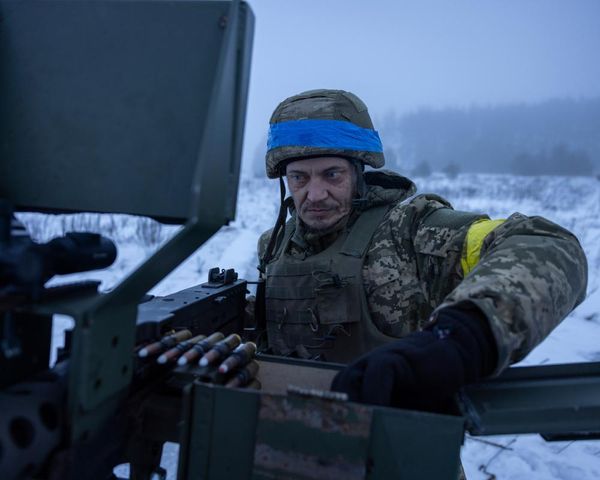
Malaysia deployed the army on Sunday to enforce a two-week curb on travel in a country that has the highest number of coronavirus cases in Southeast Asia.
“Among the things that will be done jointly by the police and army include road blocks," defence minister Ismail Yaakob said.
The Italian army will begin patrolling streets as authorities scramble to monitor the almost-total lockdown imposed nationally.
On Friday, Lombardy Governor Attilio Fontana enlisted the help of military forces on the streets of Milan, AA reports.