The total solar eclipse on April 8 is a highly anticipated event that will be visible along a strip of North America. For those within the 115-mile-wide path of totality, simply stepping outside with eclipse glasses will provide a front-row seat to this celestial spectacle. However, for those outside the path or seeking clearer skies, planning is essential.
The eclipse will begin on Mexico's Pacific coast, traverse the U.S. from Texas to Maine, and conclude in eastern Canada. While most of the continent will witness a partial eclipse, the best viewing locations are predicted to be Mexico, Texas, and areas along the Great Lakes.
How to Prepare Like an Eclipse Chaser
Experts recommend monitoring local weather forecasts about 10 days prior to the event and finalizing plans based on the three-day forecast. Some seasoned eclipse chasers suggest treating the eclipse as a bonus during a vacation to avoid disappointment in case of unfavorable weather conditions.

Post-eclipse traffic concerns, especially in rural areas like the Texas Hill Country, are being addressed by authorities who gained experience during previous events.
Where Are the Eclipse Watch Parties?
Cities and towns along the eclipse path are organizing a variety of events and watch parties to attract visitors. Niagara Falls, Waco, and other locations have planned activities to coincide with the eclipse, offering unique vantage points for viewing.
For those seeking alternative experiences, options include watching from cruise ships off the Mexican coast, paddle-wheeler rides on Lake Erie, or special eclipse-viewing flights offered by airlines.
Various venues such as the Indianapolis Motor Speedway, Cedar Point amusement park, and the Little Rock Zoo are hosting eclipse-related events, providing diverse opportunities to witness this rare phenomenon.
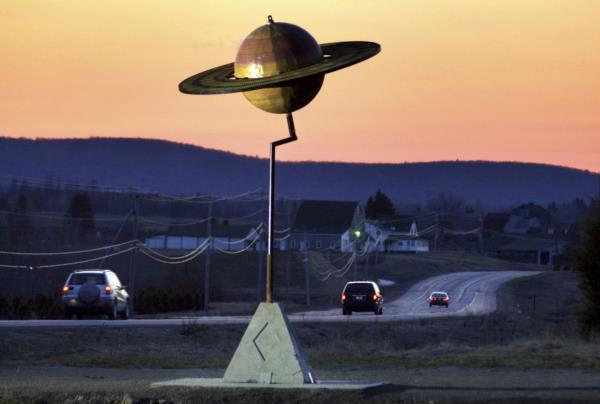
In northern Maine, a solar system model along U.S. Route 1 and a new roadside sun installation at the University of Maine at Presque Isle promise unique eclipse viewing experiences.
Experts emphasize the significance of witnessing a total eclipse, describing it as a 'special magical moment' comparable to a Taylor Swift concert in the realm of natural events.