Big ideas alone were not enough in 2025. Several highly anticipated releases launched with strong marketing, recognizable names in their teams, and ambitious promises, only to collapse almost immediately once players got their hands on them.
Whether it was shallow gameplay, unclear identity, or a failure to meet sky-high expectations, these 2025 games burned bright for a moment and then disappeared from the conversation, becoming some of the most forgettable releases of the year.
Mindseye
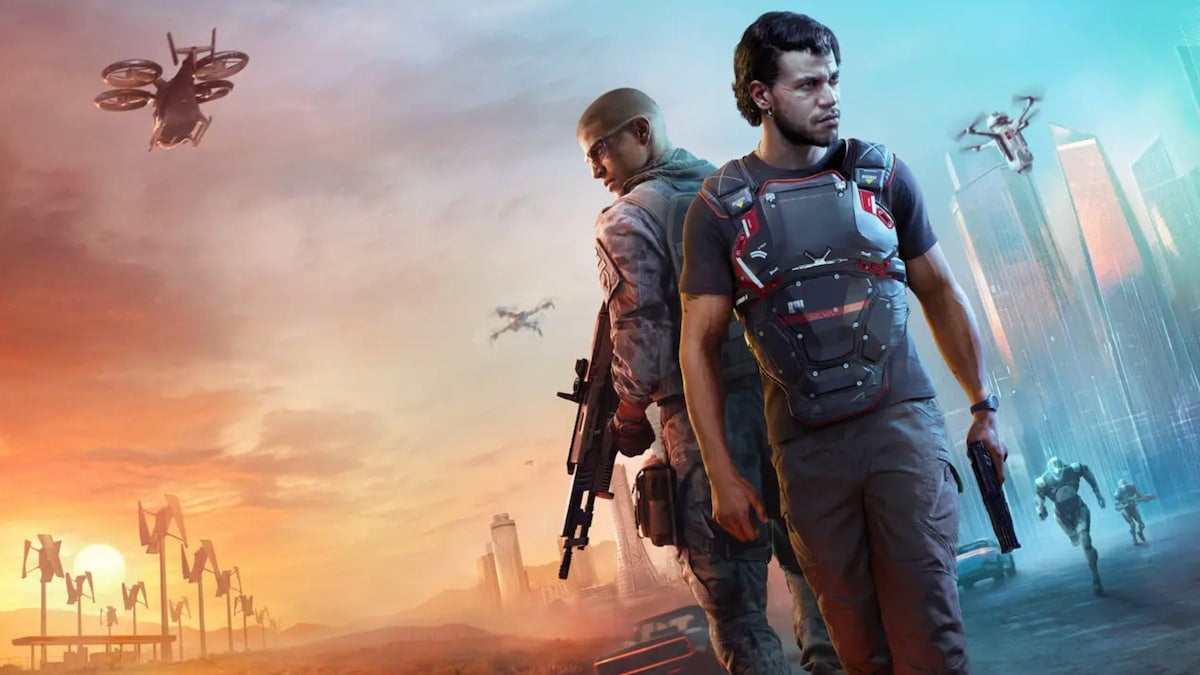
MindsEye entered 2025 carrying a serious pedigree. Built by a studio led by former GTA developers, it was positioned as a cinematic action thriller with blockbuster storytelling at its core. Expectations were high, and that made the fall even harsher.
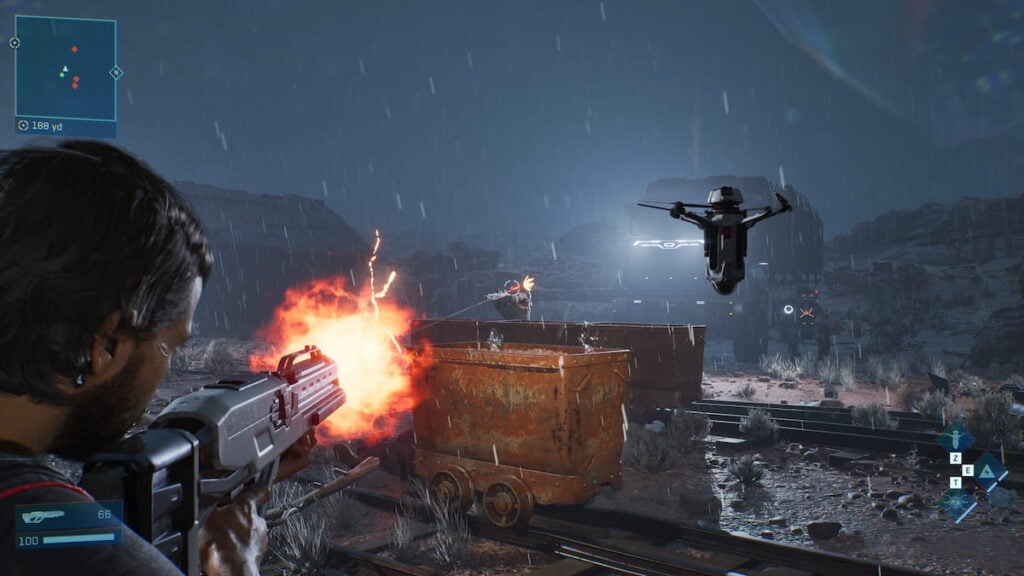
At launch, the game struggled to justify its scope. Combat felt stiff, the mission structure was repetitive, and technical issues constantly broke immersion. It almost reminded players of the Cyberpunk 2077 release in 2020. While the narrative setup showed flashes of intrigue at times, it could not compensate for shallow systems underneath.
Players quickly realized MindsEye felt more like a prolonged tech demo than a fully realized game. Within weeks, discussion dried up, and the title vanished from the wider gaming conversation. Many fans even expected the title to deliver an open-world experience similar to GTA, which was fresh and provided player an option to get their hands on as they wait for GTA 6 to come out eventually, but the game definitely missed the mark by a big distance.
FragPunk
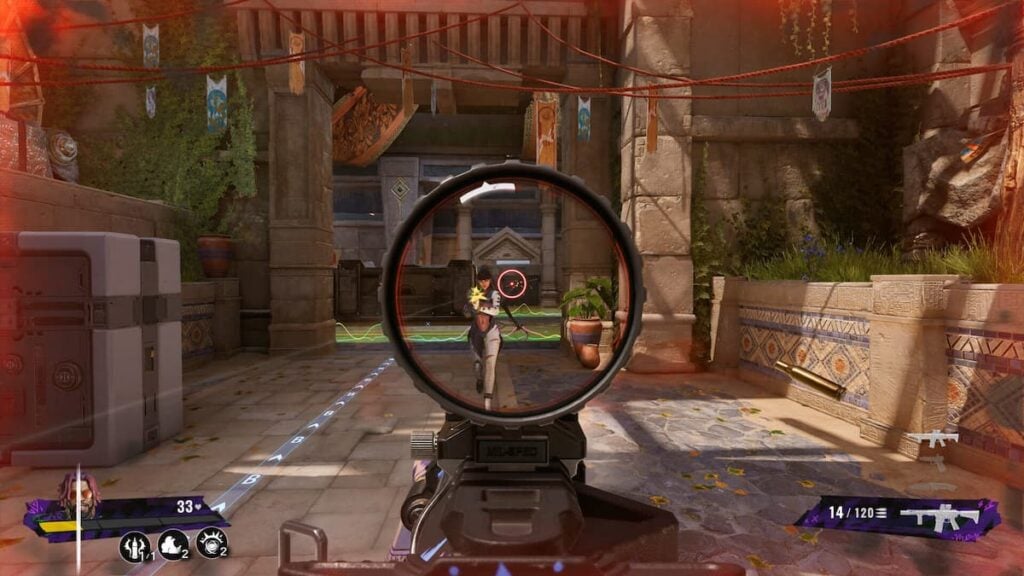
Personally, I didn’t hate FragPunk as it dared to experiment in the shooter genre. A competitive shooter where modifier cards could radically change the rules of each round sounded like the kind of twist the genre needed. In execution, however, the idea never fully worked. While casual players did love the unpredictable nature of the matches, it would quickly become very irritating to form strategies.
Gunplay lacked impact, balance swung wildly between matches, and the card system often felt more chaotic than tactical. Competitive players bounced quickly, and casual players had little reason to stick around once the novelty wore off. While the characters were interesting, some heroes were just too broken for the developers to hotfix.
FragPunk did not fail loudly; it simply failed to retain anyone, which in 2025 was just as fatal with quality games coming out each month.
FBC: Firebreak
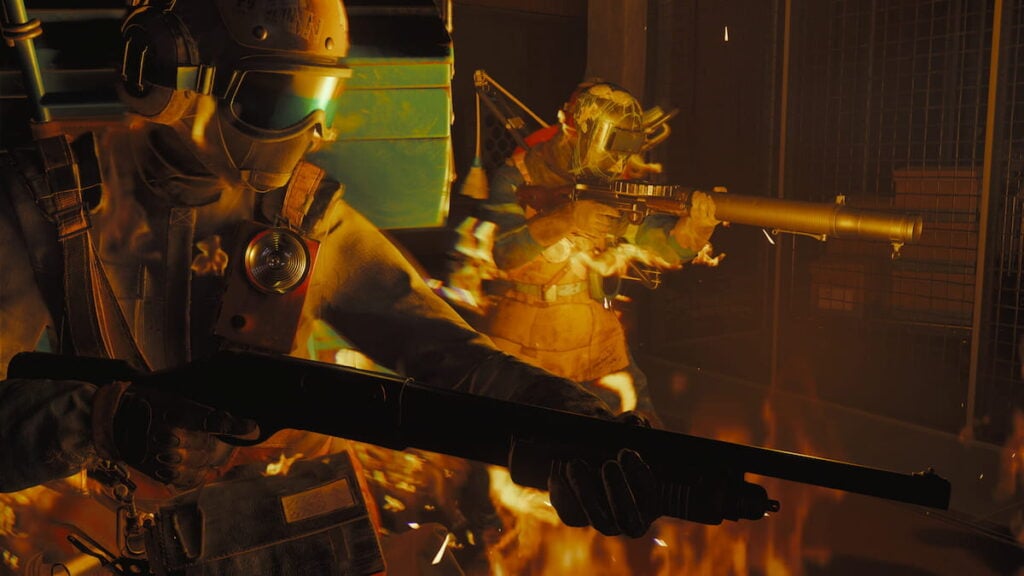
FBC: Firebreak was supposed to be Remedy’s confident step into multiplayer, expanding the Control universe into a co op focused shooter. Instead, it highlighted how difficult that transition can be, even for a critically respected studio.
While the atmosphere and visual design carried Remedy’s signature style, the gameplay loop felt thin and repetitive. Missions blurred together, progression lacked excitement, and there was little incentive to keep playing beyond the first few sessions. The game failed to meet internal sales targets, which led to a significant financial write-off for the company and even resulted in the CEO’s resignation.
Without a strong live service hook or standout mechanics, Firebreak struggled to build momentum and quickly slipped out of relevance.
Why these games failed so hard in 2025
What connects MindsEye, FragPunk, and FBC: Firebreak is not a lack of ambition, but a lack of follow-through and polish. Each launched with a clear pitch, yet none delivered systems deep or polished enough to earn player patience. In a year crowded with high-quality releases, players moved on fast to better titles, leaving them in the process.