WASHINGTON (Reuters) - U.S. Senate Republicans said Tuesday they will seek to bring their healthcare overhaul to the Senate floor next week after a lengthy intraparty struggle, but it remained unclear whether they had the votes to pass the measure or even what form it would finally take.
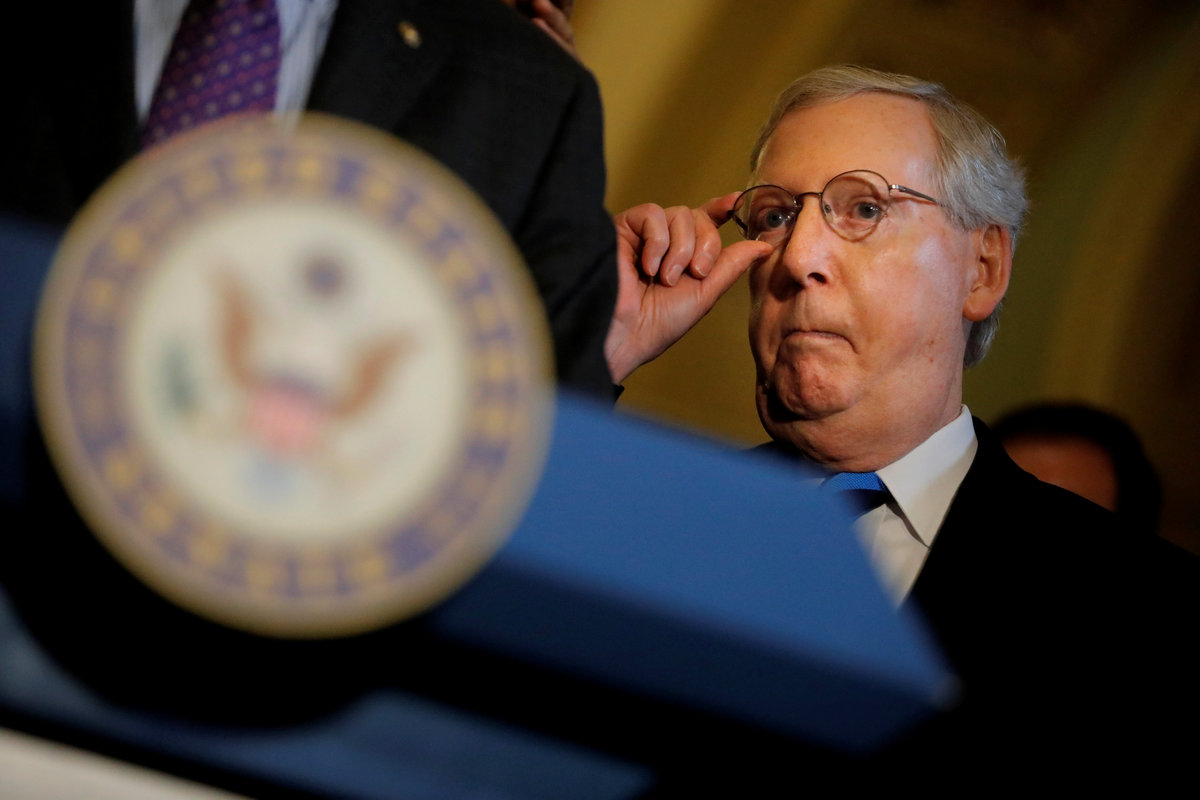
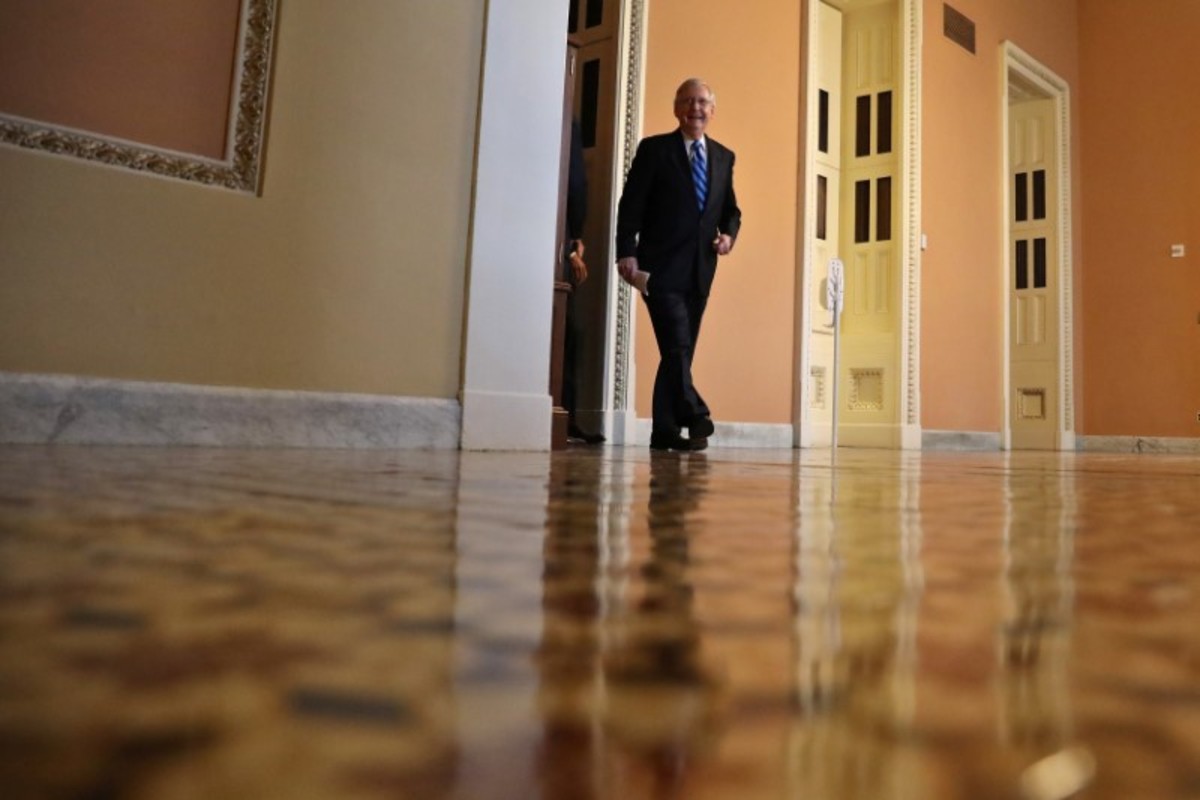
With his reputation as a master strategist on the line, Senate Majority Leader Mitch McConnell laid out a timetable for Senate consideration of legislation to fulfill President Donald Trump's campaign promise to dismantle the 2010 Affordable Care Act, also known as Obamacare.
In a departure from Republican orthodoxy on tax-cutting, the legislation likely will retain some of the taxes that were imposed on the wealthy under Obamacare, Senate sources said.
But it was unknown whether a revised version of the bill to be announced on Thursday morning can satisfy both moderates and hard-line conservatives in the Republican majority who voiced opposition to a draft unveiled last month on very different grounds.
With Trump urging the Senate to act before taking the August break, McConnell pushed back the Senate's planned August recess by two weeks to allow senators more time to tackle the measure that would repeal key parts of Obamacare, as well as pursue other legislative priorities.
McConnell’s announcement drove a turn-around in stock prices in afternoon trading on Wall Street after an earlier sell-off, on hopes that a shortened recess could mean progress on the stalled Republican legislative agenda.
A dark mood lingered among some Republicans over the healthcare subject, with party leaders appearing to act because of the need to dispense with healthcare and turn to other issues, among them increasing the U.S. debt ceiling.
"I think we've narrowed down now to where we know where the decision points are, and we just have to make those decisions," Senator John Thune, a junior member of the Republican leadership, told reporters. Leaders were still trying to "figure out how we get to 50" votes, he said.
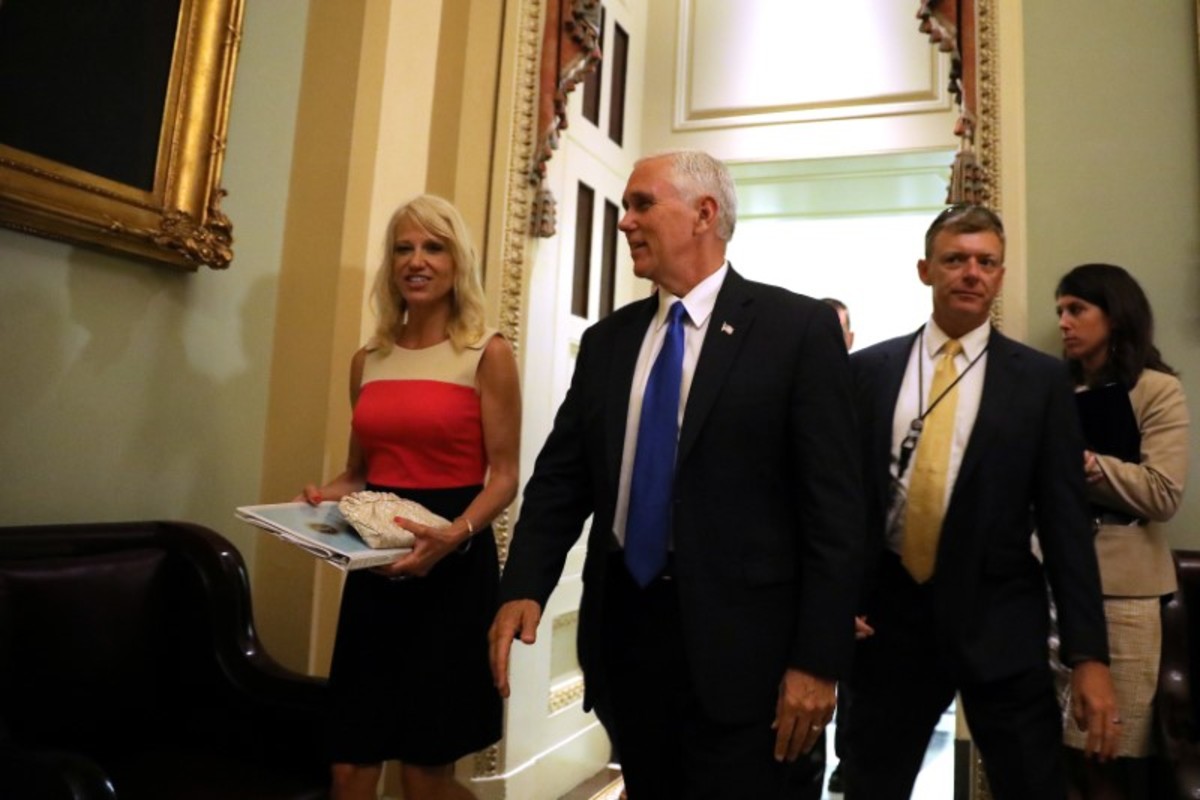
Republicans, who hold 52 seats in the 100-seat Senate, would need 50 votes to pass the bill, with Vice President Mike Pence providing the tie-breaking vote.
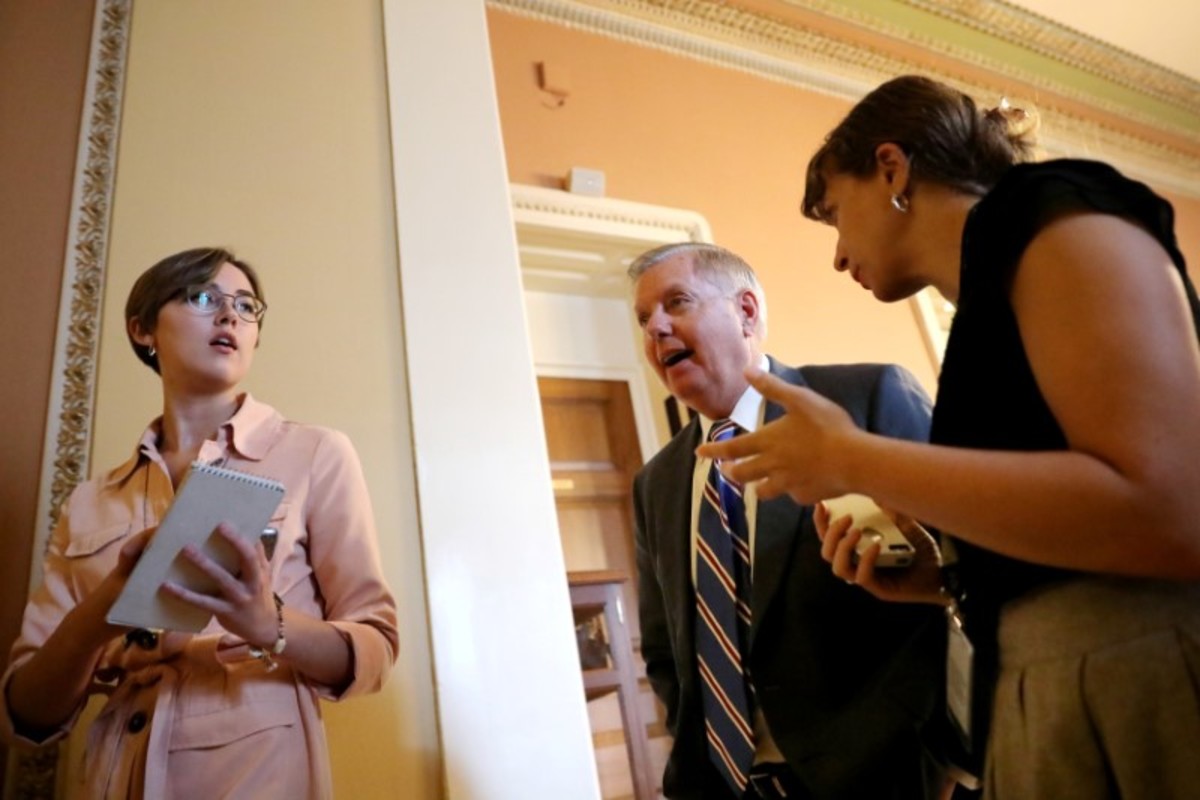
"I am very pessimistic" about the prospects for Republican healthcare legislation, Chuck Grassley, a senior senator, told Fox News on Tuesday. Another Republican senator, Lindsey Graham, was working on his own healthcare proposal and will unveil it this week, a Graham aide said.
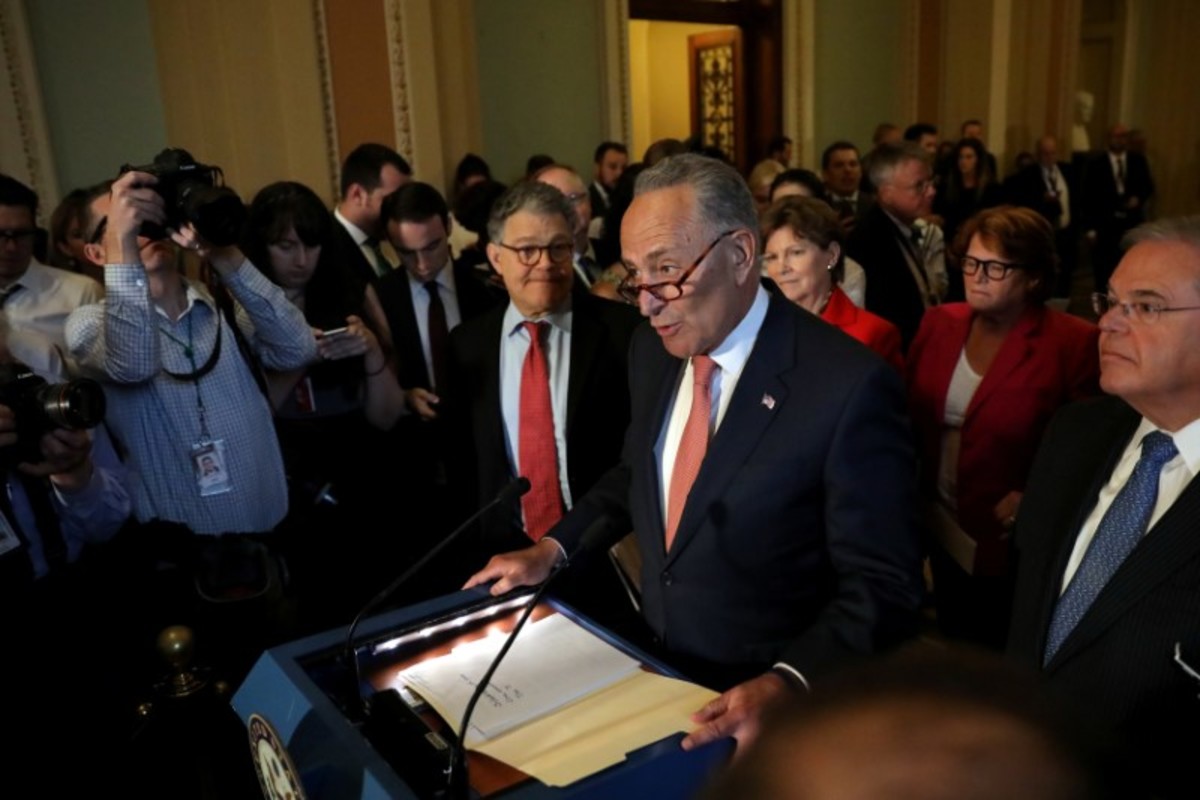
KEEPING OBAMACARE TAXES
McConnell said the plan was to vote on the healthcare bill next week, and said he hoped to have a fresh analysis of the bill from the nonpartisan Congressional Budget Office at the start of the week. He did not reveal any of the planned changes to the draft, on which he postponed action last month after it failed to gather enough support.
But Senate sources said it is likely that two Obamacare taxes on the wealthy will be kept in place - a 3.8 percent net investment tax and a 0.9 percent payroll tax that helps finance Medicare - which would appeal to moderates who have balked at the prospect of cutting taxes for the wealthy while reducing benefits for the poor.
"Obviously that's the direction I think that a lot of our members want to move, is to keep some of those (taxes) in place and be able to use those revenues to put it into other places in the bill," Thune said, while stressing that no decisions were final.
Republicans could also retain Obamacare's limit on corporate tax deductions for executive pay in the health insurance industry, one Senate source said.
It was unclear whether the bill would include a proposal by conservative Republican Ted Cruz that would allow insurers to offer basic low-cost healthcare plans that do not comply with Obamacare regulations.
Cruz argues it would help to lower premiums, but critics say it would allow insurers to offer skimpier plans that may not cover essential health benefits while also charging more for more comprehensive, Obamacare-compliant plans.
The Senate Republican healthcare bill unveiled last month would phase out the Obamacare expansion of Medicaid health insurance for the poor and disabled, sharply cut federal Medicaid spending beginning in 2025, repeal many of Obamacare's taxes, end a penalty on individuals who do not obtain insurance and overhaul Obamacare's subsidies to help people buy insurance with tax credits.
Democrats are united in opposition to the bill and at least 10 Republicans have said they oppose the existing draft. The House of Representatives passed its own version in May.
Moderate Republicans are uneasy about the millions of people forecast to lose their medical insurance under the draft legislation, and hard-line conservatives say it leaves too much of Obamacare intact.
Democrats call the Republican legislation a giveaway to the rich that would hurt the most vulnerable Americans.
(Additional reporting by David Morgan and Amanda Becker; Writing by Susan Cornwell and Tom Brown; Editing by Mary Milliken and Leslie Adler)