Recovery often starts with the right assessment and treatment plan. Many injuries affect movement, strength, and daily activities. Waiting too long can allow stiffness and weakness to develop. Early care helps identify issues before they become harder to manage.
Many people seek physical therapists Toronto services after workplace, sports, or everyday injuries. A personalized approach helps address the root cause instead of focusing only on symptoms. This creates a better path toward recovery and improved function.

Understanding the Role of WSIB Physio
Workplace injuries can affect both physical health and job performance. That's why wsib physio programs are designed to support injured workers throughout rehabilitation. Treatment plans focus on restoring movement, reducing discomfort, and improving strength.
Physiotherapists assess the nature of the injury and develop exercises that match individual needs. Progress is monitored throughout recovery. This structured approach helps workers return to normal activities with greater confidence.
Common Workplace Injuries That Benefit From Physiotherapy
Many workplace injuries involve muscles, joints, tendons, and ligaments. Repetitive tasks, lifting, slips, and falls are common causes. These injuries may affect the back, shoulders, knees, neck, or wrists.
Physiotherapy helps improve mobility and supports tissue healing. Treatment may include exercise therapy, manual techniques, and movement education. The goal is to restore normal function safely.
Signs You Should Seek Professional Assessment
Some symptoms should not be ignored. Persistent pain, swelling, limited movement, or weakness can indicate a more serious issue. These problems may interfere with work and daily life.
A professional assessment helps determine the cause of symptoms. Early treatment often prevents small issues from becoming larger concerns. It also helps create a clear recovery plan.
Top Benefits of Personalized Rehabilitation Programs
Every injury affects people differently. Age, activity level, work demands, and health history all influence recovery. A personalized rehabilitation plan considers these factors when creating treatment goals.
Customized programs often produce better outcomes than generic exercises. Treatment evolves as recovery progresses. This allows patients to continue improving without unnecessary setbacks.
Improving Strength and Stability
Weak muscles can place extra stress on joints and surrounding tissues. Strengthening exercises help restore balance and support injured areas. This often improves overall movement quality.
Patients learn exercises that target specific weaknesses. Regular progression helps rebuild strength safely. Better stability can also reduce the chance of future injuries.
Restoring Mobility and Flexibility
Restricted movement is common after injury. Stiff joints and tight muscles can limit normal activities. Physiotherapy focuses on improving range of motion through guided treatment.
Stretching techniques and mobility exercises help restore natural movement patterns. Improved flexibility often makes daily tasks more comfortable. It also supports long term physical health.
Best Treatment Approaches Used by Physiotherapists
Modern physiotherapy combines several treatment methods. The chosen approach depends on the injury, symptoms, and patient goals. Effective care focuses on both short term relief and long term recovery.
Physical therapists Toronto clinics often use evidence based techniques to help patients regain function. Treatment plans are adjusted as progress occurs. This keeps rehabilitation focused and productive.
Manual Therapy for Joint and Muscle Function
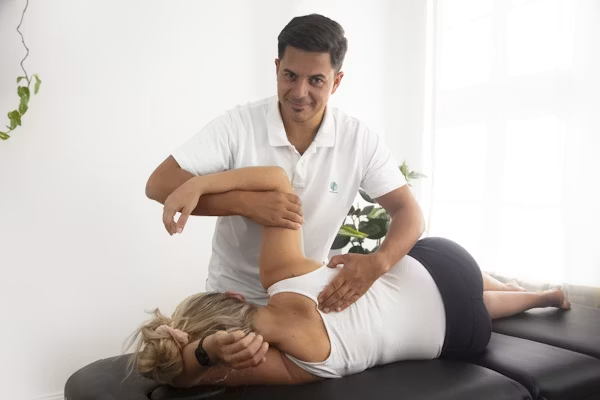
Hands on treatment can help improve movement and reduce physical restrictions. Manual therapy may involve joint mobilization and soft tissue techniques. These methods target areas affected by injury or tension.
Many patients notice improved comfort after treatment sessions. Manual therapy is often combined with exercise for better results. Together, they support recovery and movement quality.
Exercise Based Rehabilitation
Exercise remains one of the most important parts of physiotherapy. Specific movements help strengthen injured tissues and improve coordination. They also encourage healthy movement patterns.
Programs are tailored to the individual's condition and goals. Exercises become more challenging as recovery progresses. This gradual approach helps build confidence and function.
How Physiotherapy Supports Long Term Recovery
Recovery does not end when pain decreases. Long term success often depends on maintaining strength, flexibility, and proper movement habits. Physiotherapy teaches patients how to manage their condition beyond treatment sessions.
Education is a key part of rehabilitation. Patients learn techniques that support healthy movement at work and home. This knowledge can help reduce future injury risks.
Building Better Movement Habits
Poor movement patterns may contribute to ongoing discomfort. Physiotherapists identify habits that place unnecessary stress on the body. Correcting these patterns often improves overall function.
Simple adjustments can make a meaningful difference. Proper lifting techniques, posture awareness, and workplace modifications are common examples. These changes support long term health.
Preventing Reinjury After Returning to Work
Returning to work is an important milestone. However, injured tissues may still require continued attention. A gradual transition helps reduce physical strain.
Physiotherapists provide guidance based on job demands and recovery status. Ongoing exercises may be recommended to maintain progress. This helps patients stay active and productive.
Choosing the Right Physiotherapy Clinic
Finding the right clinic involves more than convenience. Experience, communication, and personalized care all play important roles. Patients benefit from working with professionals who understand their goals and concerns.
A strong rehabilitation program focuses on both recovery and education. Clinics that offer comprehensive assessments and individualized treatment plans often provide a better patient experience. The right support can make recovery more manageable.
What to Expect During Your First Appointment
Many people feel uncertain before their first physiotherapy visit. The initial assessment focuses on understanding symptoms, injury history, and movement limitations. This information helps create an effective treatment plan.
Patients may perform simple movement tests during the evaluation. The physiotherapist explains findings and discusses treatment recommendations. Clear communication helps patients understand the recovery process from the beginning.
FAQs
What does a physiotherapist do?
A physiotherapist assesses movement problems and creates treatment plans to improve mobility, strength, and function.
Who can benefit from wsib physio?
Workers who experience job related injuries may benefit from wsib physio rehabilitation programs.
How many physiotherapy sessions are usually needed?
The number of sessions depends on the injury, recovery goals, and individual progress.
Can physiotherapy help prevent future injuries?
Yes. Physiotherapy improves strength, mobility, and movement habits that may reduce injury risk.
When should I visit physical therapists Toronto clinics?
You should seek assessment if pain, weakness, stiffness, or movement limitations affect daily activities or work.