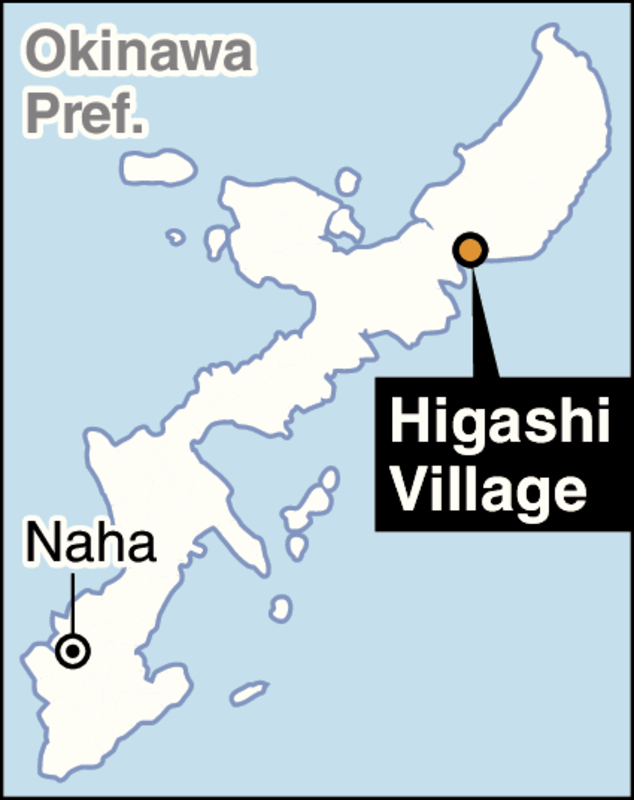
NAHA -- Japan's top producer of pineapples, the village of Higashi in the north of Okinawa Island, has been providing the waste from the fruit to raise a new brand of pork.
The village produces about 1,500 tons of pineapples annually, but shipments are mainly made in the summer, so Higashi officials thought a brand of pork would be something to sell throughout the year.
Called Paiton, a combination of Japanese syllables that stand for the fruit and the meat, these pigs are fed pineapple feed in addition to their regular feed for about 60 days before shipping.
Normally, pigs are fed compound feed such as corn and soybeans. Pineapple feed is made by powdering the fruit's rind and core, then adding a small amount of pulp and juice.
Pineapple processing plants in the village have been providing the waste products to Okinawa Hokuto, a pig farm in the village.
The village focused on Okinawa Hokuto because it ships about 8,000 head of Agu brand pigs annually, the most in the prefecture.
The Agu is an indigenous breed of Okinawa pig. Agu brand pork comes from a cross between a traditional Agu male and a Western breed female. Compared to ordinary Western pigs, the meat has a higher level of marbling and tenderer texture, while the fat has a characteristic umami flavor. The pig is about half the size of a Western one and grows slowly, making the meat difficult to mass produce and highly rare.
Higashi Village Chief Masanobu Toyama, who used to be in charge of the livestock industry at the village office, suggested to Okinawa Hokuto President Terumasa Oshiro last spring that he help launch a new brand of pork fed with the pineapple feed.
So Oshiro gave some Agu pigs the pineapple feed to see what would happen. Over the course of six months, he discovered several factors that enhanced the pork, including the optimal ratio of ingredients.
In May, a quality test confirmed that Paiton pork has higher levels of glutamic acid and other amino acids that increase umami than regular Agu pork and that the melting point of the fat is about 2 C lower, making for a more tender meat when cooked.
Sales of Paiton pork started in July.
"It's popular for the lack of odor, melt-in-your-mouth feel and the umami of the fat," Oshiro said. "We are getting repeat customers."
Okinawa Hokuto is raising about 4,000 pigs for slaughter on a site of about 500,000 square meters in the village. Of these, about 300 pigs are given the pineapple feed when they have grown up and are about to be shipped.
The company plans to increase annual shipments to 2,000 head of Paiton pigs and aims to ship them outside the prefecture and online.
"It is possible that the rich vitamins in pineapples bring out the flavor and sweetness of the meat," said Okinawa Hokuto's Masaki Oshiro, who led the product's development. "The combination of the two village brands will help promote local production for local consumption."
Starting in September, the village government has selected the pork as a reward for the "furusato nozei" system in which donations to municipalities are tax deductible. For Higashi Village, 600 grams of Paiton pork will be given in exchange for every 10,000 yen it receives.
-- Cholera, coronavirus
In January 2020, for the first time in 33 years, hog cholera was confirmed in Okinawa Prefecture. Across 10 locations in the central part of Okinawa Island, about 12,000 pigs, including Agu pigs, were culled.
The prefecture's pig farming industry was also affected by the restrictions on the movement and transport of pigs and by damaging rumors amid the outbreak, with the prefectural government estimating that Agu pigs shipped in fiscal 2020 fell by 5,000 to 6,000 head from the 35,000 shipped the previous fiscal year.
The global spread of the coronavirus caused a slump in demand for pork, especially among restaurants.
As a result of cholera and the coronavirus, pork shipments for the prefecture in fiscal 2020 decreased by about 510,000 kilograms, and the number of pigs raised fell by about 5,500 head from the previous year.
The Okinawa Agu Brand Pork Promotion Council welcomed the new brand of pork.
"This is a good idea during such a difficult time," an official of the council said. "We hope it will lead to the expansion of the Agu pork market and enhancement of the strength of the brand."
"We would like to promote it as a new specialty of the village," said Toyama, the village chief. "We hope it will contribute to the prosperity of the pig farming industry in Okinawa."
Read more from The Japan News at https://japannews.yomiuri.co.jp/