The fashion industry is under pressure to transform in the wake of the new coronavirus pandemic.
Long-established apparel maker Renown Inc. filed for civil rehabilitation procedures in May, and July saw Brooks Brothers, the U.S. brand known for button-down shirts, going bust, and Cecil McBee, a clothing brand targeting young people that was very popular in Japan during the Heisei era (1989-2019), announcing it would pull out of the market. Apparel manufacturers are questioning the meaning and role of fashion.
Various collections were shown online from early to mid-July, including everything from haute couture to menswear.
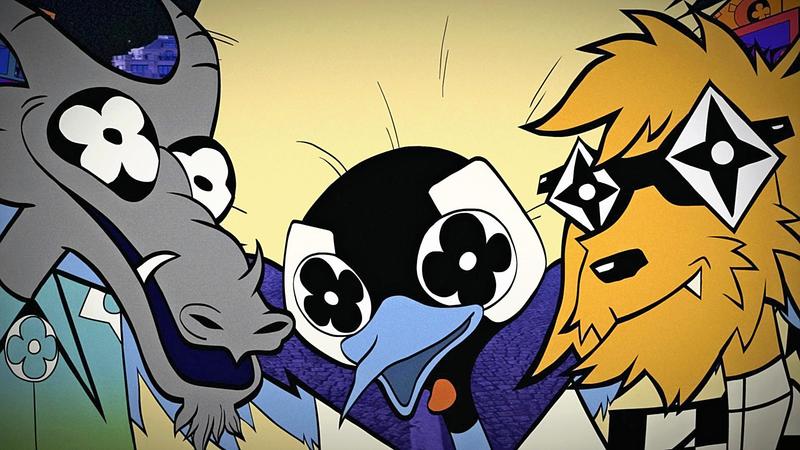
The collections featured painstakingly crafted visual media that resembled entries to a film or advertisement competition -- a fantasy about doling out elaborate dresses to fairies in a forest; an animated film about odd and fascinating characters in Paris; and uninterrupted documentary-like footage featuring behind-the-scenes of a runway show.
Worldwide fashion industry figures traditionally show off their collections at events in Milan, Paris and other fashion hubs.
Circumstances are different this year, though, because shipping materials and traveling have both become a challenge amid the effects of the novel coronavirus. Instead, organizers of those events put on digital shows for the first time in their history, with the fashion brands streaming videos and pictures of their new items.
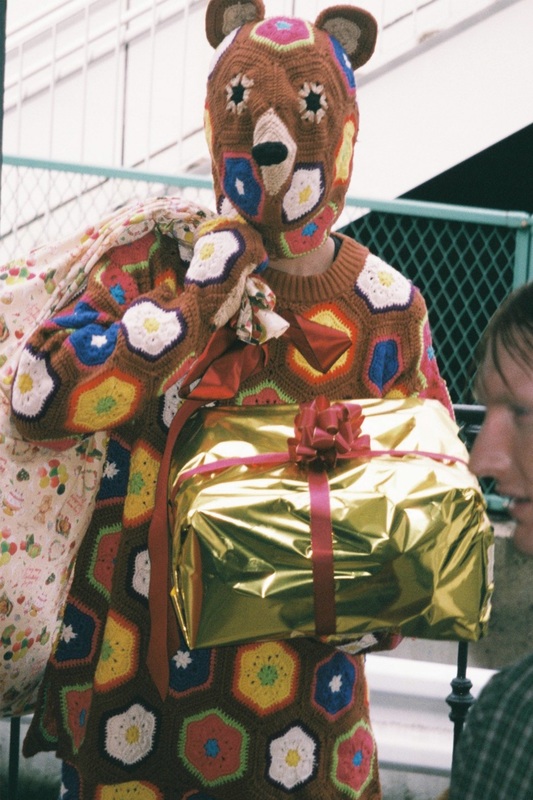
The outfits were presented not on fashion show runways, but on the screens of digital devices such as smartphones and computers.
The feedback to the digital shows included negative comments, especially early on, such as that the texture of the fabrics did not come across clearly in the images shown online. Many of the shows were packed with elaborate ideas such as livestreaming a runway show with no one in the audience from various camera angles and designers commenting about their creative objectives.
Reaching new audiences
Above all, the attempt has resulted in open collections anyone can watch, as long as they own a digital device. Videos featuring items from well-known brands were replayed more than 1 million times, an indication of the high level of public interest.
The Japanese brand Doublet created a video with a story-like plot that drew far more viewers than the number of guests the brand invites to its shows in a typical year.
"I was a bit unsure because of the different style of presentation, but we were able to clearly get across the uniqueness of our brand, which increased its name recognition. I feel there's a lot of potential in this new form of expression," said the brand's designer Masayuki Ino.
Read more from The Japan News at https://japannews.yomiuri.co.jp/