Any film buff would be thrilled by the thought of having a curated collection of more than 4,000 films available to watch for free.
For teachers, the lesson ideas, activities and discussion points that Into Film provides to link its film collection to the curriculum are even more exciting.
The charity offers hundreds resources through its website, helping teachers to use film as part of a film club, in the curriculum, as a launchpad for discussion and an inspiration for film-making in the classroom.
They are designed to appeal to and engage all learners, from disadvantaged groups and those with special educational needs (SEN) to gifted and talented – and everyone inbetween.
“The way the resources have been put together is really clear and they are written by people who know what they’re writing about.” says Zahra Bei, Burnside Secondary Pupil Referral Unit.
“I use lots of the excellent Into Film resources and recommend them to my colleagues and students.” Brian Morris, a teacher at Renfrew High School.
Most resources include PowerPoints with stills and video clips or experts talking embedded in them. Linked to each are PDFs and teachers’ notes suggesting different kinds of enrichment and curriculum linked activities.
The resources are put together by the Into Film team, working in collaboration with educational associations and charities including the National Literacy Trust, Association for Language Learning, BeatBullying and the National Association of Primary Education (NAPE).
Here is a collection of 10 of the most popular and effective resources:
• Roald Dahl on Film
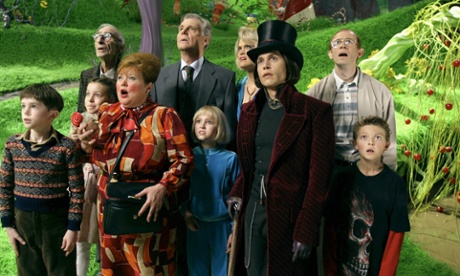
To mark the 50th anniversary of Charlie and the Chocolate Factory, Into Film put together a resource with NAPE to examine Dahl’s legacy through films of his books. Suitable for key stage 1 and 2 students (Scottish first and second), it includes an assembly looking at the history of Charlie and the Chocolate Factory and why it has become such a classic. Also included are: discussions on how elements of the books and films differ; moral questions the films raise; and film-making activities including animation. With the BFG as inspiration, there’s an interesting forced perspective activity – the optical illusion used to make people look bigger or smaller than they really are.
• The Lego Movie – Master Builders

Designed for pupils aged between six and 11, developed with National School Partnership and Warner Brothers, this lesson boosts primary school students’ literacy by teaching the building blocks needed for great story writing. It includes activities to assess character, setting, props and story telling as well as encourage pupils’ creativity.
• Love Languages – French

Compiled with the help of the Association for Language Learning, this lesson focuses on three French films – A Cat in Paris, Kirikou and the Men and Women, and The Red Balloon. The idea is to use these films to engage primary school children with languages. Aimed at year 5 and 6 pupils (P6 and P7 in Scotland) it includes activities in English and French. They develop vocabulary and help pupils consider the importance of understanding other cultures and languages, as well as how films use colour and music to tell a story.
• Review writing guides

An important part of film clubs is encouraging pupils to write reviews, upload them to the Into Film website and read others written by their peers. These guides are designed to hone the review-writing skills of primary and secondary school pupils through exercises to develop literacy, write synopses and express opinions.
• Primary and secondary film-making guides

These offer step-by-step guides that take pupils and teachers through all stages of film-making, offering advice on equipment, sharing tips for developing and publicising a successful film, and suggesting warm-up activities to develop film-making skills.
• Private Peaceful

Produced in partnership with the National Literacy Trust, this lesson activity uses the adaptation of Michael Morpurgo’s Private Peaceful to explore the centenary of the first world war. The resource, aimed primarily at key stage 3 pupils, includes curriculum links to English, history and science. Activities range from script analysis and the science of chemical warfare to the geography of landscapes affected by war. The PowerPoint includes a clip of the science adviser to the film talking about some of the special effects involved.
• Creating Movie Magic
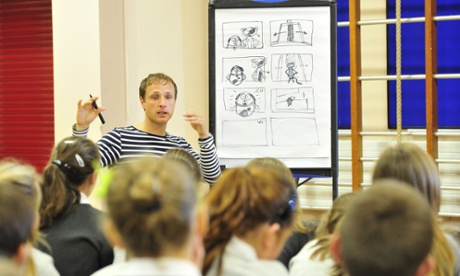
This helps teachers, film club leaders and youth group workers explain the importance of copyright to young people, open up debate about intellectual property and develop a respect for the film-making process. Created for key stage 3 design and technology pupils, it links the design and technology curriculum to the film industry, explores the technology behind special effects and stop motion, and offers pupils the chance to create a storyboard.
• Anti-Bullying on Film
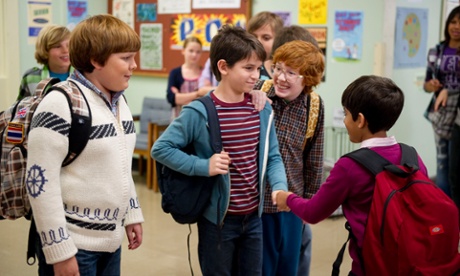
Using films including Diary of a Wimpy Kid and Ender’s Game, this popular resource equips teachers in both primary and secondary schools to stimulate discussions about acceptable and unacceptable behaviour around bullying and related issues. It’s designed for use in both PSHE lessons and as part of transition to secondary school programmes.
• Staying Safe Online
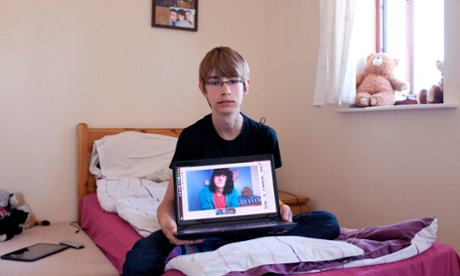
Created in partnership with Childnet International and using films including Harriet the Spy, The Social Network, and InRealLife, this resource is designed to help primary and secondary school students understand issues of privacy, friendship and how to protect themselves online. Activities include helping pupils assess their own use of social media and discussing what they do and do not consider private.
• SEN Inclusion

Designed as part of the Into Film SEN Inclusion Project, generously funded by the Paul Hamlyn Foundation, this is aimed at Into Film clubs with SEN students. It includes: ideas for helping children who struggle with writing to express their opinions about a film; suggestions of how to create autism-friendly screenings; and discussion topics targeted to SEN groups. Films used range from the non-verbal documentary Baraka to the Marx Brothers’ comedy Duck Soup.
You can find more resources like these here.
This article was written by the Guardian to a brief agreed by Into Film. Funded by Into Film, sponsors of the “Role of film in the classroom” series on the Guardian Teacher Network.