The 10 most read sustainable business stories of 2014 range widely in theme: from microfibers to mindfulness, from packaging to bicycling, from baby milk to Ebola.
But many of the articles highlight new ideas, such as a prediction about the emergence of a whole new economic system, the launch of a packaging-free supermarket and the connection between west African forests and Ebola. Other top stories take deep dives on key issues, such as the sustainability of smartphones and the real story of palm oil.
As environmental and social issues grow ever more urgent in 2015, we can expect the gray areas – and the search for solutions – to continue to loom large.
What was your favorite GSB article from 2014? And what would you like to see covered in 2015? Are there any topics or trends we’re missing? Share your thoughts in the comments below or tweet us @GuardianSustBiz.
1. Radical new economic system will emerge from collapse of capitalism

Political adviser and author Jeremy Rifkin believes that the creation of a super internet heralds new economic system that could solve society’s sustainability challenges
2. Inside the lonely fight against the biggest environmental problem you’ve never heard of
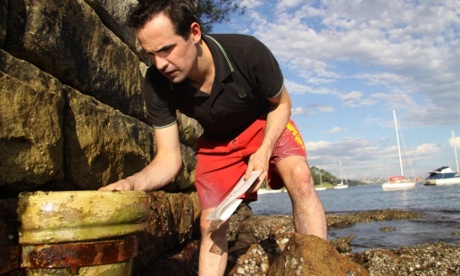
In 2011, an ecologist released an alarming study showing that tiny clothing fibers could be the biggest source of plastic in our oceans. The bigger problem? No one wanted to hear it.
3. Berlin duo launch a supermarket with no packaging

Shrink-wrapped shallots and polystyrene-packed peppers are a thing of the past at Original Unverpackt, a German concept store selling groceries without the packaging.
4. How sustainable is your smartphone? - interactive

Smartphones are owned by one in five people and have changed how many of the world’s most important industries work – from journalism to farming. But their production carries a cost; using more than 40 elements that are mined with untold environmental and social effects on every inhabited continent on earth.
5. From the rainforest to your cupboard: the real story of palm oil - interactive
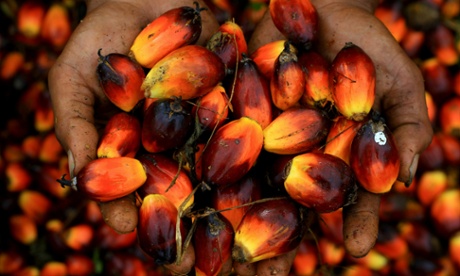
You wash with it, you brush with it, you toast it, it’s in 50% of what you buy – but what’s the real story of palm oil? Use the interactive below to trace the journey of palm oil from the rainforest through to your kitchen cupboard.
6. Thich Nhat Hanh: is mindfulness being corrupted by business and finance?
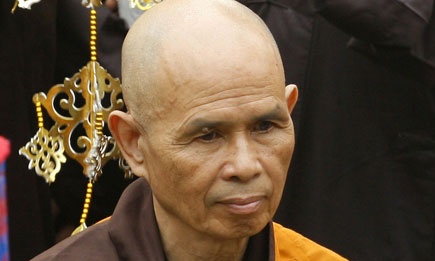
The Zen master discusses his advice for Google and other tech giants on being a force for good in the world.
7. Reinventing the wheel: new tech turns regular bikes into hybrids – and a traffic tool
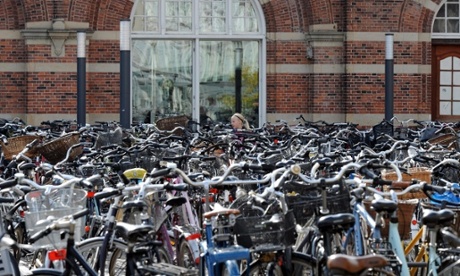
The Copenhagen Wheel turns bicycles into electric hybrids, able to multiply pedal power, track your heart rate and monitor potholes. But at $800, it costs more than a bike.
8. Nestlé baby milk scandal has grown up but not gone away
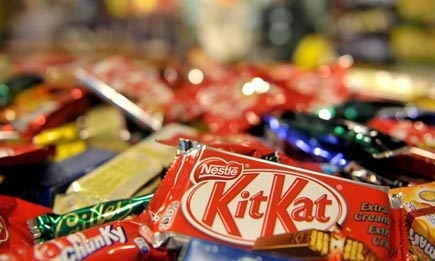
Obesity and diabetes show that better standards in the food industry must be enforced, writes Mike Muller, author of the 1974 baby milk scandal report.
9. Nestlé’s Peter Brabeck: our attitude towards water needs to change
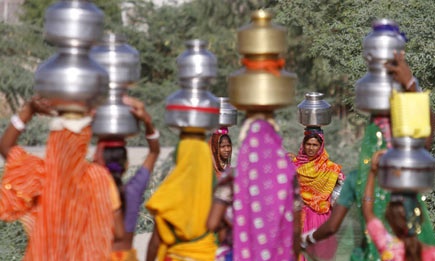
Nestlé chair Peter Brabeck talks to Jo Confino about the need to build water stewardship into core business strategy and how a sense of entitlement causes irresponsible use.
10. How saving west African forests might have prevented the Ebola epidemic
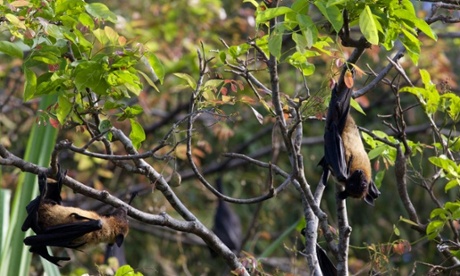
Deforestation has destroyed much of the region’s habitat for fruit bats – and put these Ebola carriers into greater contact with people.