Top 10 species fighting extinction with the help of zoos – in pictures
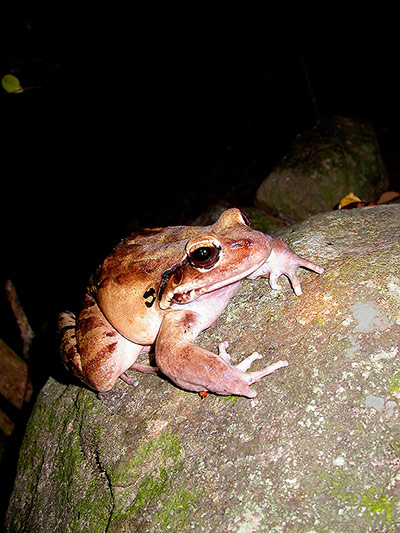
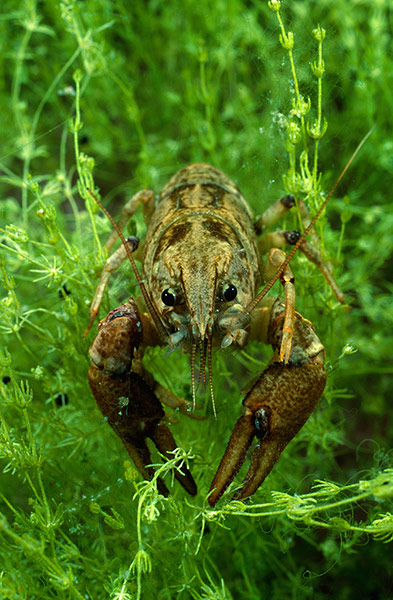
Zoos are also helping the blue-crowned laughing thrush, whose population numbers less than 250 mature birds in the wild in China. Trapping for the bird trade is a major cause of the species' recent decline Photograph: Xie Xiao-fang/BIAZAThe mountain chicken frog, from Dominica and Monserrat, faces extinction due to the rapid spread of the chytrid fungus. The disease has devastated amphibian populations around the world Photograph: BIAZAAbout 95% of Britain's white-clawed crayfish have vanished from the country as a result of the introduction of American signal crayfish and disease, prompting UK zoos to breed the species for release in safe areas in the wild and raise public awareness of their plightPhotograph: Wolfgang Polzer/Alamy
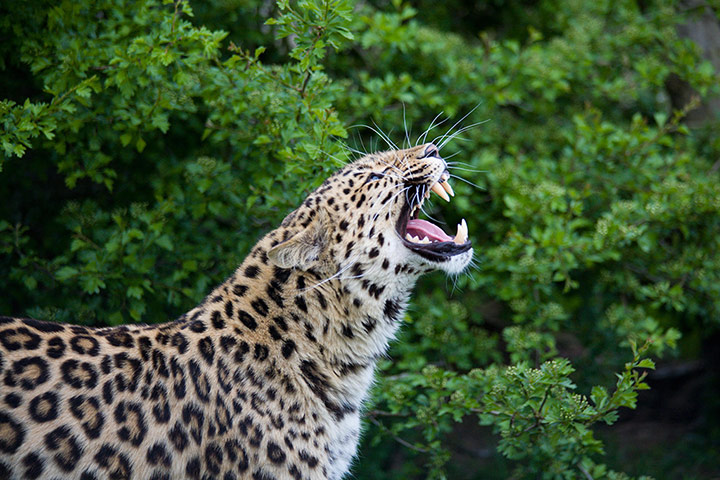
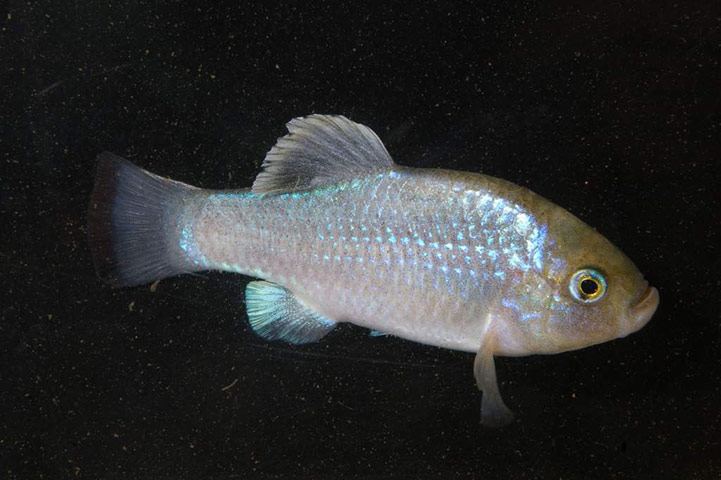
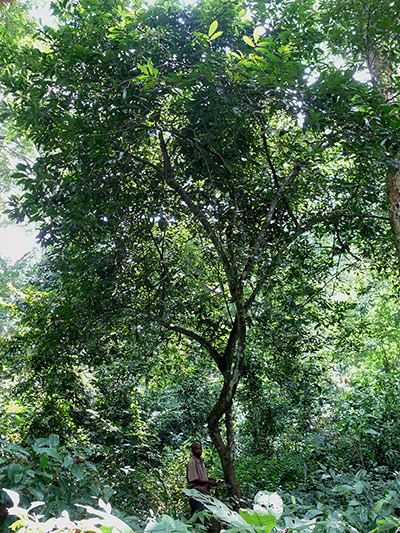
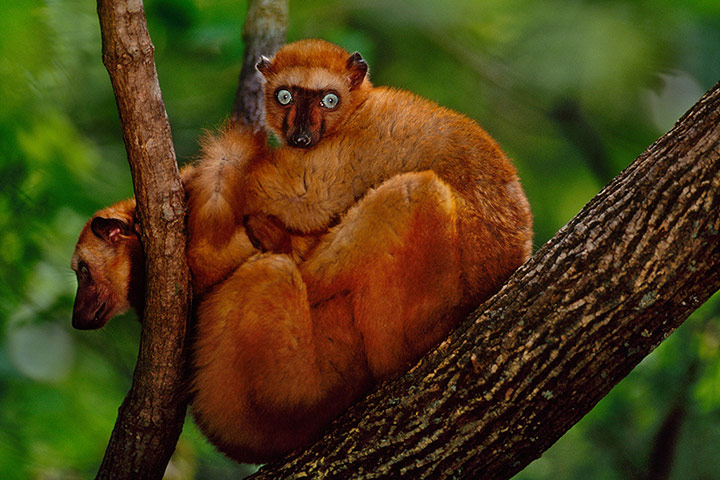
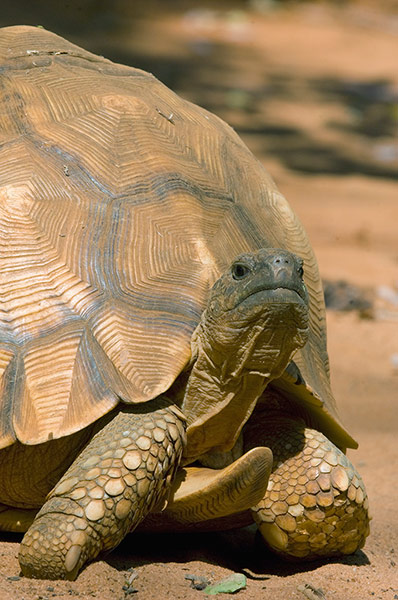
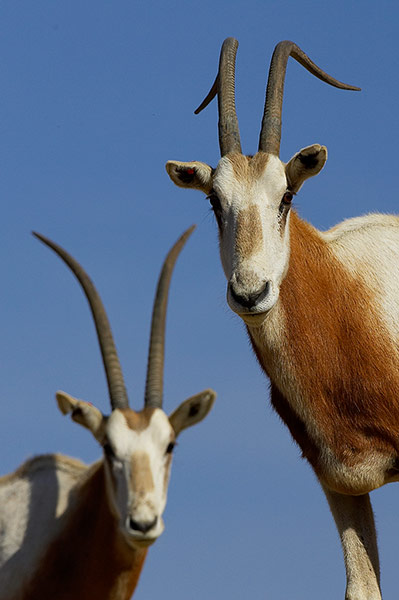
Just 45 Amur leopards remain in the wild, but there are 220 of the critically endangered cat in a global conservation breeding programmes in zoos around the world with a reintroduction scheme currently in the planning stagesPhotograph: Chris Sargent/AlamyPotosi pupfish is among the creatures staving off extinction with the help of zoos. It was endemic to Mexico, but is now extinct in the wild – their limited habitat appeared to be the remnants of a large Pleistocene lake. None of this habitat remains Photograph: Heiko Kaerst/ZSL/BIAZAA pair of partula snails, also known under the general common names, the Polynesian tree snail and Moorean viviparous tree snail. The cause of their extinction in the wild was a misguided attempt at biological pest controlPhotograph: Dave Clark/ZSL/BIAZAVerdcourt's polyalthia tree is found in just three places in the Kilombero valley, TanzaniaPhotograph: Andrew Marshall/BIAZATwo female blue-eyed black lemur, Madagascar. The male is black, the female a reddish brown colour. Lemurs are the only primate species other than humans that have blue eyes. They are the most endangered primate species in the world, owing to the destruction of their tropical forest habitatPhotograph: Frans Lanting/AlamyPloughshare tortoise, Madagascar. The principal threats to the species are believed to be fires started to clear land for cattle grazing, and collection for the pet tradePhotograph: Kevin Schafer/CorbisThe scimitar-horned oryx is native to north Africa and is extinct in the wild. As with many other species, hunting has been the greatest threat to populationsPhotograph: ZSSD/Corbis
Sign up to read this article
Read news from 100’s of titles, curated specifically for you.