Top 10 irreplaceable nature reserves on Earth - in pictures
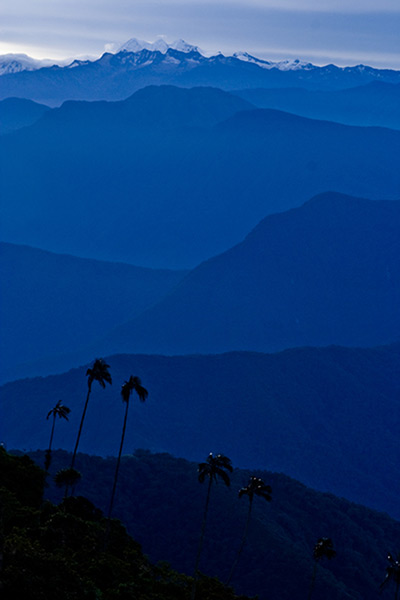
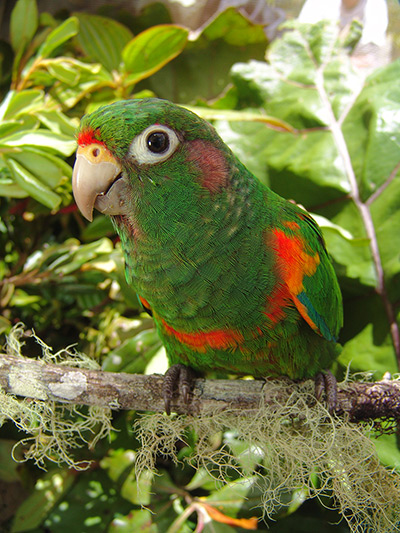
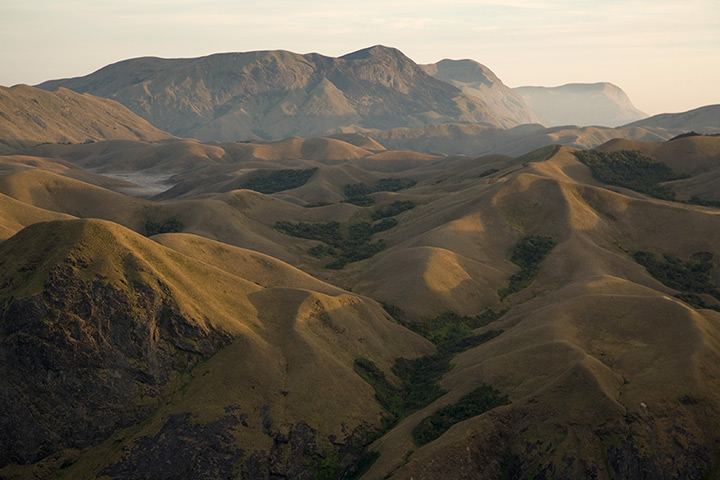
The cloud forests of the Sierra Nevada de Santa Marta national park of Colombia are most irreplaceable nature reserve on Earth. They have been threatened by drug growing, herbicide spraying to kill the drug crops and now housing developments. Valuable species include the critically endangered harlequin frog, the unicolored oldfield mouse and the green and orange Santa Marta parakeet. Area: 4,050sqkm The most irreplaceable nature reserve on Earth is the cloud forests of this high peak. They have been threatened by drug growing, herbicide spraying to kill the drugs and now housing developmentsPhotograph: Robin MooreThe green and orange Santa Marta parakeet is among the many critically endangered species living in the misty mountains of ColombiaPhotograph: ProAvesWestern Ghats world heritage site, India. This thin chain of coastal hills is home to many endangered species including Asian elephants, lion-tailed macaques and nilgiri tahr, a mountain goat. Tea and coffee plantations have fragmented the forests, while new roads and mines present the current danger. Area: 8,165sqkmPhotograph: Kalyan Varma
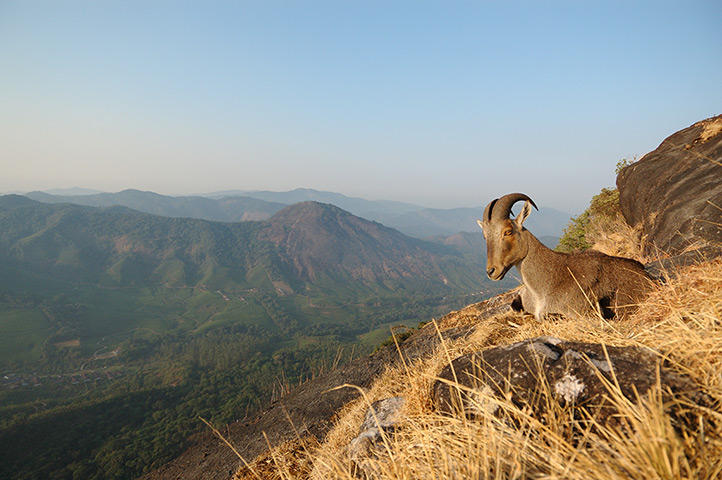
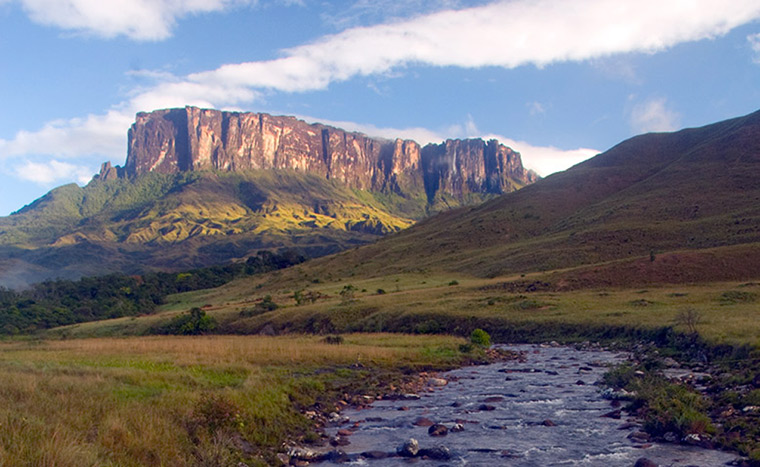
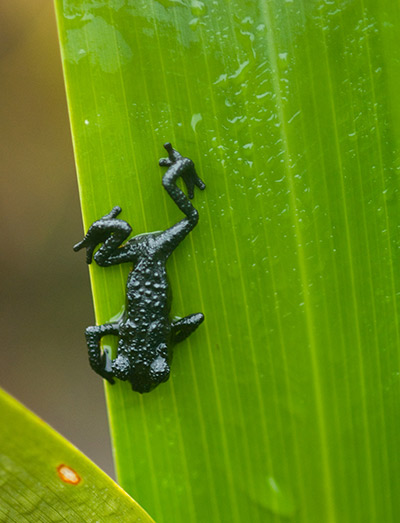
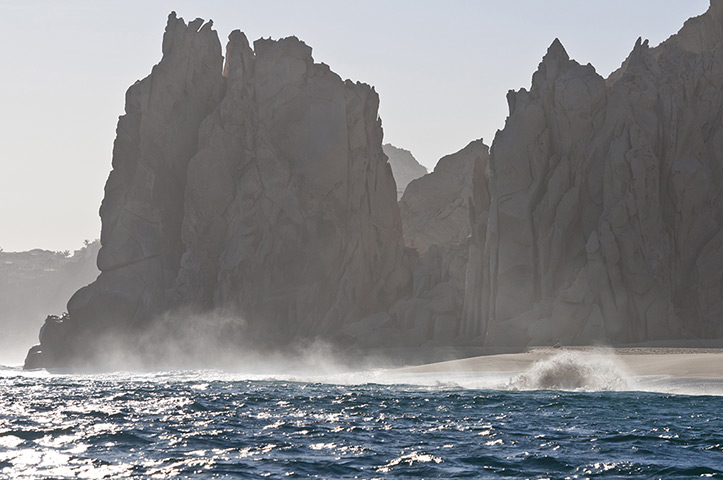
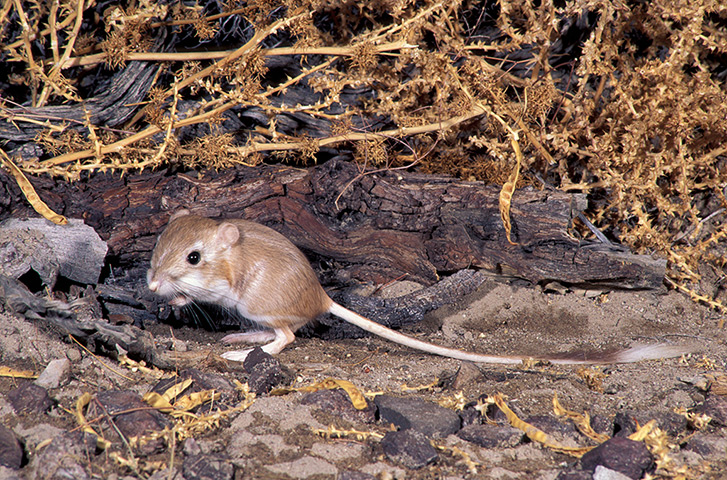
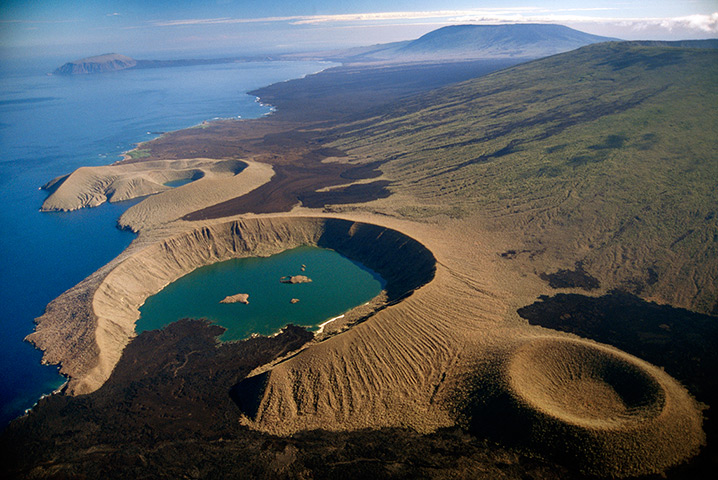
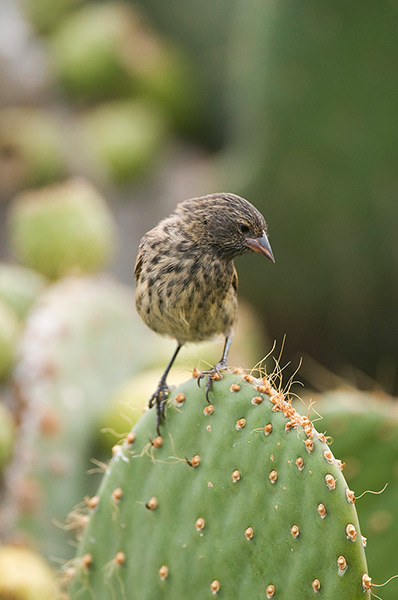
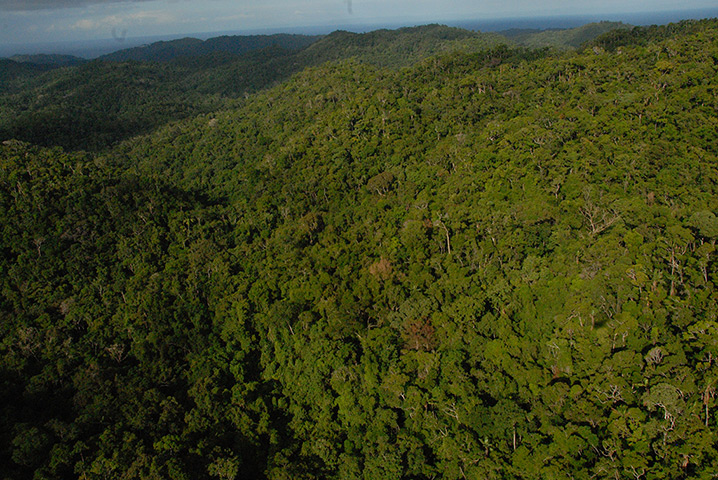
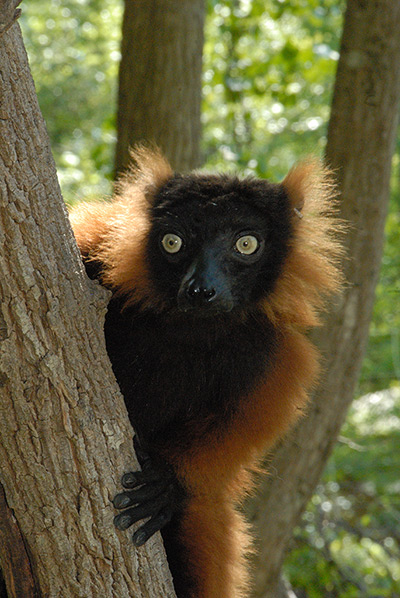
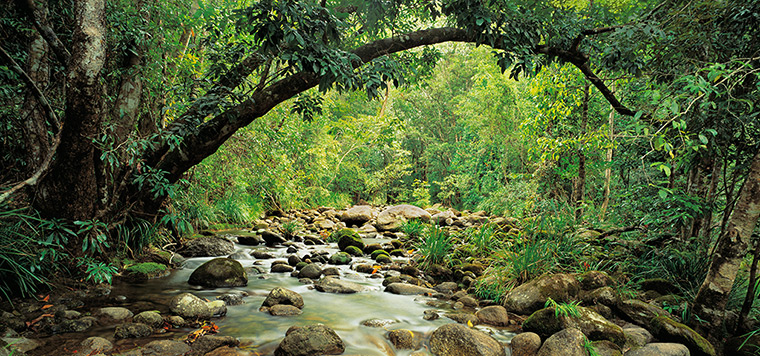
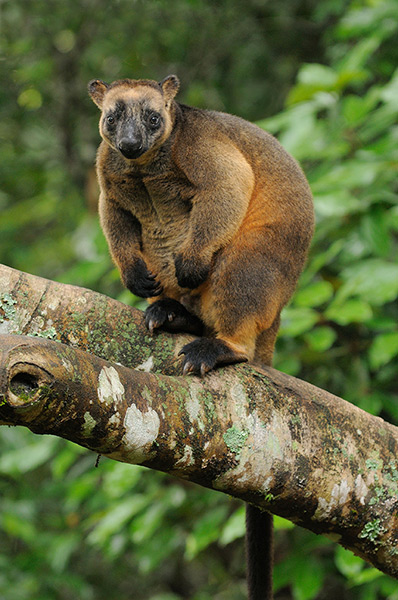
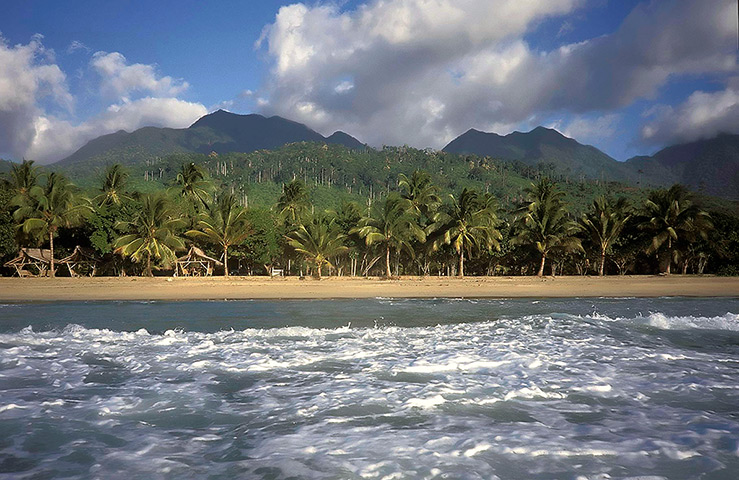
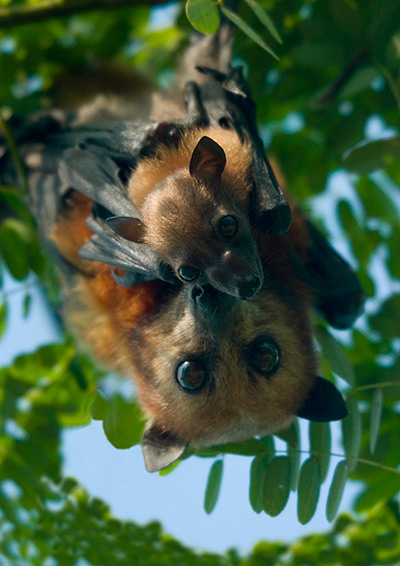
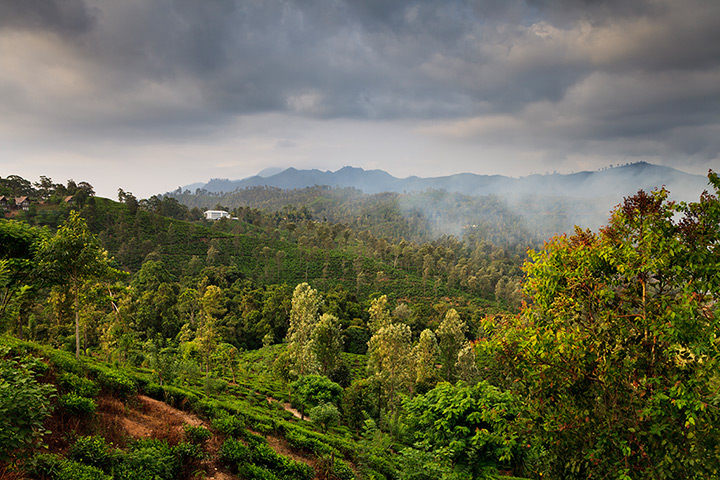
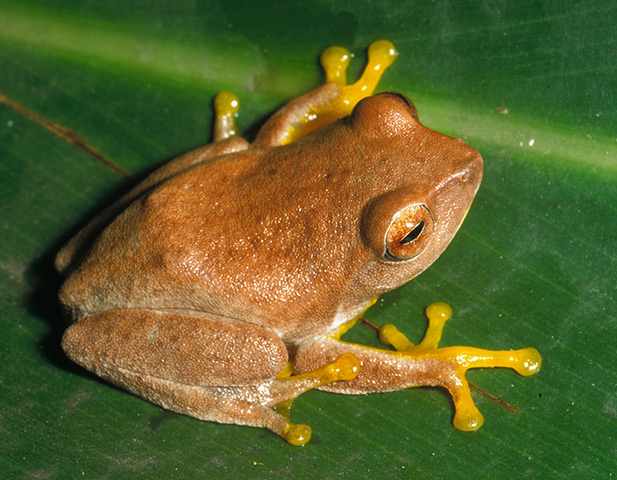
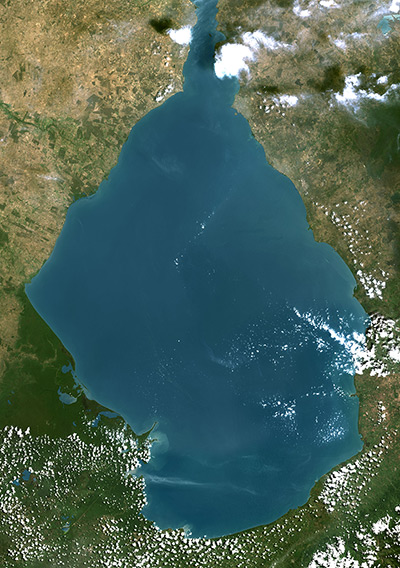
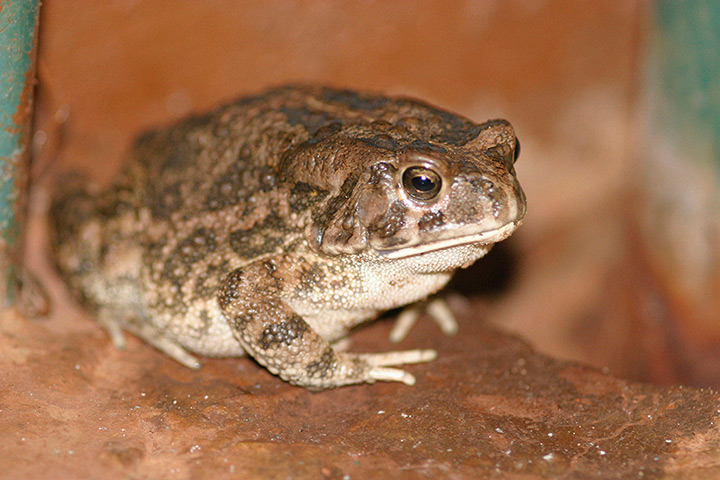
The Nilgiri tahr, mountain goats, make these rocky cliffs their home. They need these steep vertical rocks to escape predatorsPhotograph: Kalyan VarmaFormaciones de Tepuyes natural monument, Venezuela. The protected area is famous for its tepuis, table-top mountains that create a landscape of soaring cliffs with flat tops and plunging waterfalls. Species have evolved on its isolated plateaus that exist nowhere else. It is of global importance for dozens of species, including Fernandez's sword-nosed bat, the saffron-breasted redstart bird and a very rare bright-red frog called the Sapito Rojo Del Yapacana Area: 51352km2Photograph: Charles BesanconOne of the many species of amphibians endemic to the tepuis, the Roraima black frog (Oreophrynella quelchii) is restricted to the summit of two tepuis, Mount Roraima and Wei-Assipo-Tepui Photograph: Charles BesanconThe Islands and Protected Areas of the Gulf of California world heritage site, Mexico. The site's 244 islands and coastal reserves are globally important for a series of critically endangered rabbits and mice, including the Monserrat Island, Coronados and Catalina deer mice, the San Jose brush rabbit and the San Jose Island kangaroo rat. The spectacular cliff-ringed islands and the waters around are also very important for marine mammals, fish and plants. Area: 22,834 sqkmPhotograph: Franck GUiziou /Hemis.fr/Getty ImagesA desert kangaroo rat (Dipodomys deserti) found on the Islands and Protected Areas of the Gulf of California, MexicoPhotograph: Norman Owen Tomalin/AlamyGalápagos Islands world heritage site, Ecuador. The most famous and largest of the most irreplaceable nature reserves on Earth are the islands made famous by Charles Darwin. His work on the inhabitants of the 19 islands in 1835 inspired his theory of evolution by natural selection, particularly the finches. Many of those are now at risk including the ground, tree, woodpecker and cactus finches, as well as the Galapagos Hawk and the Floreana Mockingbird. Area: 146,678 sqkmPhotograph: Frans Lanting/CorbisA sharp-beaked ground-finch (Geospiza difficilis) sits on a cactus in the Galapagos IslandsPhotograph: Steve Gettle/Minden Pictures/CorbisRainforests of the Atsinanana world heritage site, Madagascar. The island is one of the hottest biodiversity hotspots on Earth and the tropical rainforests in eastern Madagascar are home to many species that exist nowhere else. There are only 100 greater bamboo lemurs left and the red-ruffed lemur is seriously threatened too. Area: 4,811 sqkm Photograph: Russell A. Mittermeier/Conservation InternationalRed ruffed lemur (Varecia rubra) are found in rainforests of the Atsinanana, Madagascar Photograph: Russell A. MittermeierWet tropics of Queensland, Australia. This 450km-long stretch of rainforest is globally important for many marsupials, birds and amphibians, including the musky rat kangaroo, Lumholtz’s tree kangaroo, Sharman’s rock wallaby and the Lemuroid ringtail possum. The mahogany glider and the beautiful nursery frog are particularly threatened. Area: 8,988 sqkmPhotograph: Peter Walton Photography/Photolibrary/Getty ImagesLumholtz's tree kangaroo (Dendrolagus lumholtzi) in north Queensland, AustraliaPhotograph: Dave Watts/AlamyPalawan Game Refuge and Bird Sanctuary, Philippines. This tropical island, which avoided the worst of Typhoon Haiyan, is home to globally important populations of mammals, birds and amphibians. The islands is at least 80% of the global range for many of the mammals including the Palawan stink-badger, Phillipine porcupine, Palawan flying Fox, Philippine pangolin and the Palawan bearded pig Photograph: Danita Delimont/Gallo Images/Getty ImagesFlying foxes, PhilippinesPhotograph: WIN-Initiative/Getty ImagesCentral highlands of Sri Lanka World Heritage Site. The forests of Sri Lanka have been mostly cut down by farmers and those left are still threatened by tea planters. They are particularly rich in amphibians, with 100 new species having been discovered in the last 20 yearsPhotograph: Kimberley Coole/Lonely Planet Images/Getty ImagesThe copper coloured frog Pseudophilautus hoffmanni was only described in 2005 Photograph: Madhava MeegaskumburaSureste del Lago de Maracaibo Sto. Domingo-Motatán Protective Zone, Venezuela. The mountains east and south of Lake Maracaibo are near the main oil fields of Venuezuela, a heavily degraded region. They are particularly precious for the critically endangered toads which only exist there, including the leopard and scarlet harlequin toads, and also the skunk frog Photograph: Planet Observer/UIG/Rex FeaturesA leopard toadPhotograph: Arco Images GmbH/Alamy
Sign up to read this article
Read news from 100’s of titles, curated specifically for you.