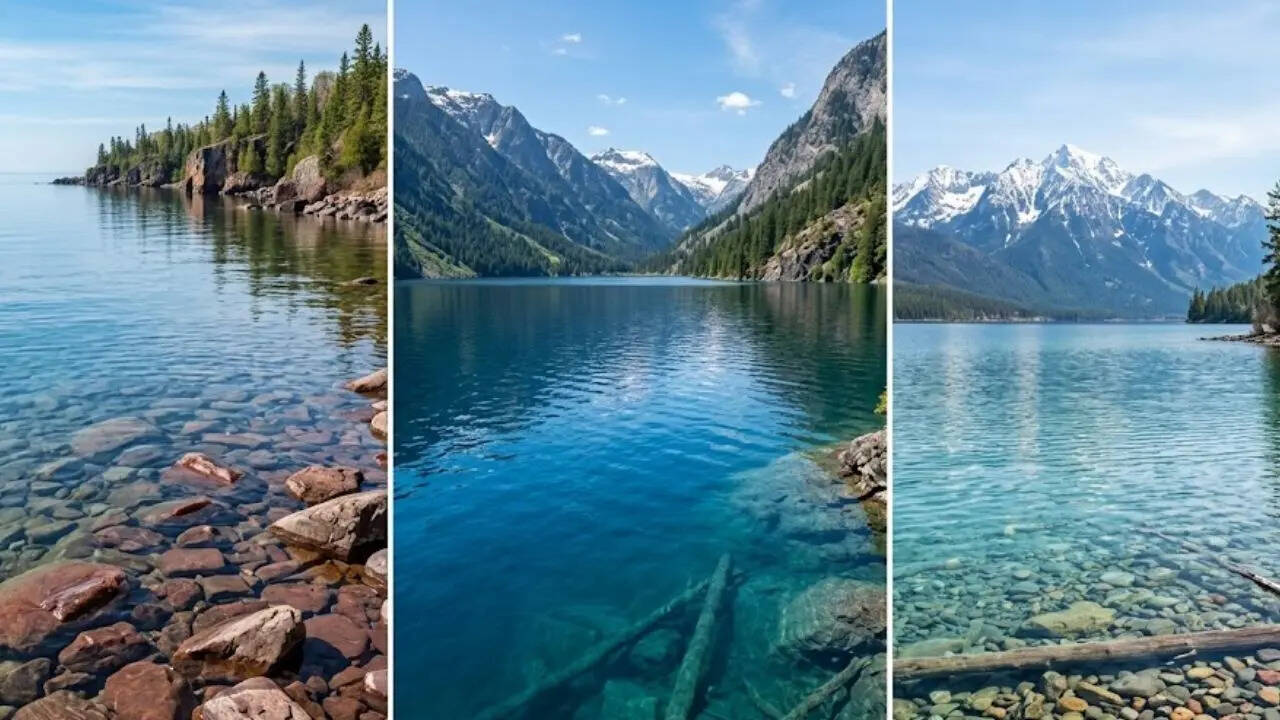
Many travellers and nature lovers see clear water as a sign of a thriving ecosystem. Specific bodies of water across the United States stand out for their pristine conditions. This isn't just about looks; these rankings use scientific measures such as turbidity, dissolved oxygen, and nutrient levels to identify the country's clearest waters. Imagine exploring everything from the volcanic regions of the Pacific Northwest to the expansive Great Lakes areas. Here is the list of the cleanest lakes across America, showcasing unmatched purity. Lake Superior and Lake Chelan lead these rankings, reflecting exceptional preservation and minimal human impact.
According to the latest data from WorldAtlas, which analysed the 2025 Lake index alongside figures from the National Water Quality Monitoring Council.
List of America’s cleanest lakes
| Rank | Lake Name | Pollution Score |
| 1 | Lake Superior | 0 |
| 2 | Lake Chelan | 0.14 |
| 3 | Lake Hartwell | 1.73 |
| 4 | Lake of the Ozarks | 1.85 |
| 5 | Lake Pend Oreille | 2.09 |
| 6 | Lake Winnibigoshish | 2.2 |
| 7 | Kentucky Lake | 2.2 |
| 8 | Lake Norman | 2.33 |
| 9 | Lake Mead | 2.45 |
| 10 | Flathead Lake | 2.6 |
Lakes with the clearest water in the US
Lake Superior
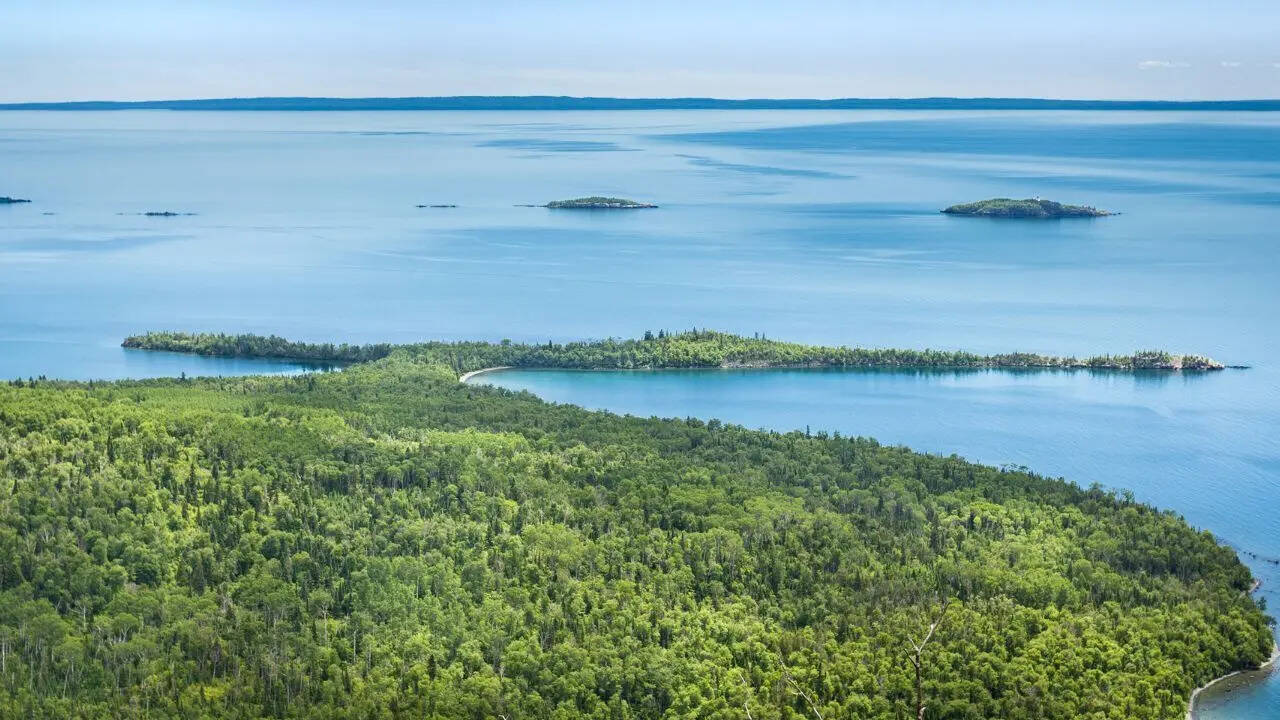
Lake Superior holds the title as the largest freshwater lake in the world by surface area and stands as the deepest among the Great Lakes. Remarkably, it boasts a pollution score of zero, making it the cleanest large lake nationwide. Its incredible purity comes from a lengthy water residence time of 191 years and a small catchment-to-surface-area ratio that limits pollution from land sources. Phosphorus levels in the lake are nearly nonexistent, and it maintains a high dissolved oxygen level at 10.45 milligrams per litre.
Pollution Score: 0
Lake Chelan
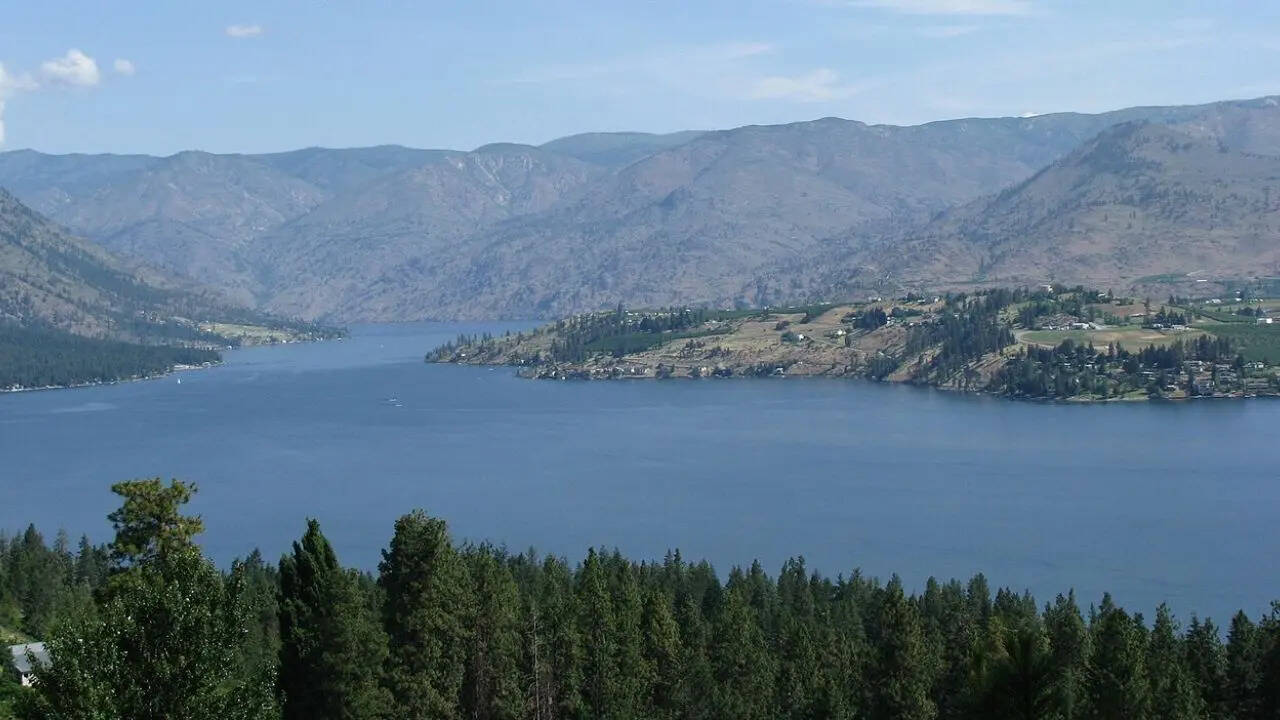
Lake Chelan, nestled in Washington's North Cascades, stretches 50 miles and plunges to a depth of 1,486 feet. With total dissolved solids at just 30.20 milligrams per litre, it ranks the lowest among lakes. Glacier streams from the Okanogan-Wenatchee National Forest feed this lake, resulting in cold and clear water with minimal minerals. This clarity benefits its diverse fish populations like salmon and trout. The lake also boasts excellent oxygen levels, supporting vibrant aquatic life.
Pollution Score: 0.14
Lake Hartwell
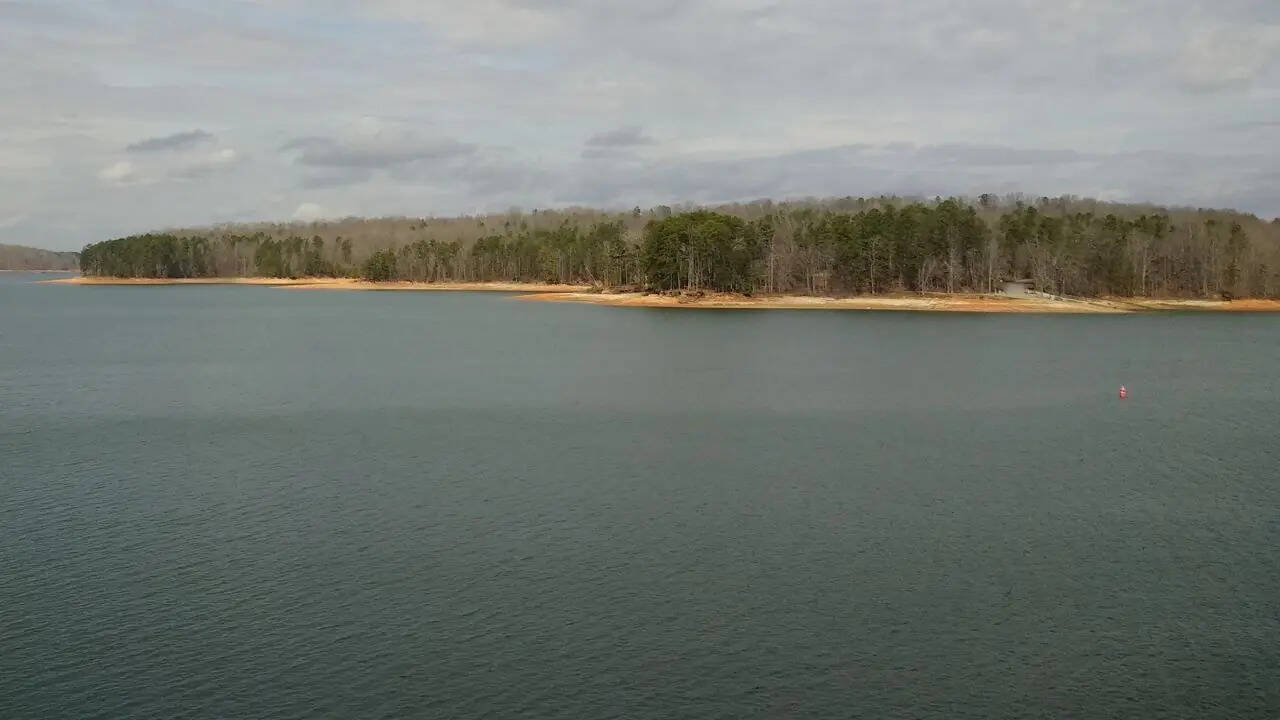
Lake Hartwell covers 56,000 acres and sits on the border between Georgia and South Carolina. The US Army Corps of Engineers oversees this reservoir, which was finished in 1962. Over time, it has turned into a top spot in the region for those who love fishing for bass and crappie. Its water is incredibly clear, showing a turbidity level of just 1.9 NTU, which is impressive given its size. The watershed around it plays an essential role as a habitat, home to more than 250 bird species and various mammals.
Pollution Score: 1.73
Lake of the Ozarks
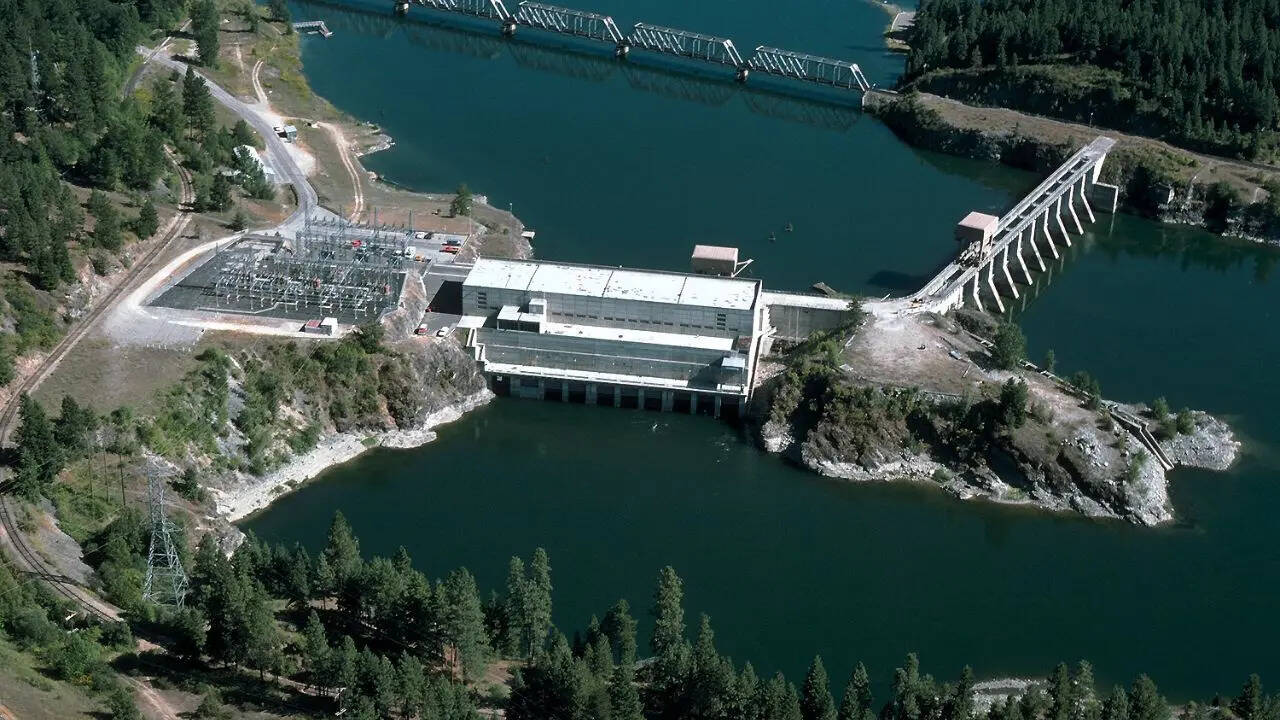
This Missouri reservoir, covering 54,000 acres, has made impressive environmental strides lately. Thanks to the efforts of local watershed groups keeping a close watch, the lake has improved significantly. In the past, it struggled with algal blooms and runoff from nearby farms. But now, phosphorus levels have dropped to just 0.01 milligrams per litre. You won't find much lead or ammonia in the water anymore, either. The dissolved oxygen level remains steady at 7.5 milligrams per litre, which means catfish and bass are thriving there.
Pollution Score: 1.85
Lake Pend Oreille
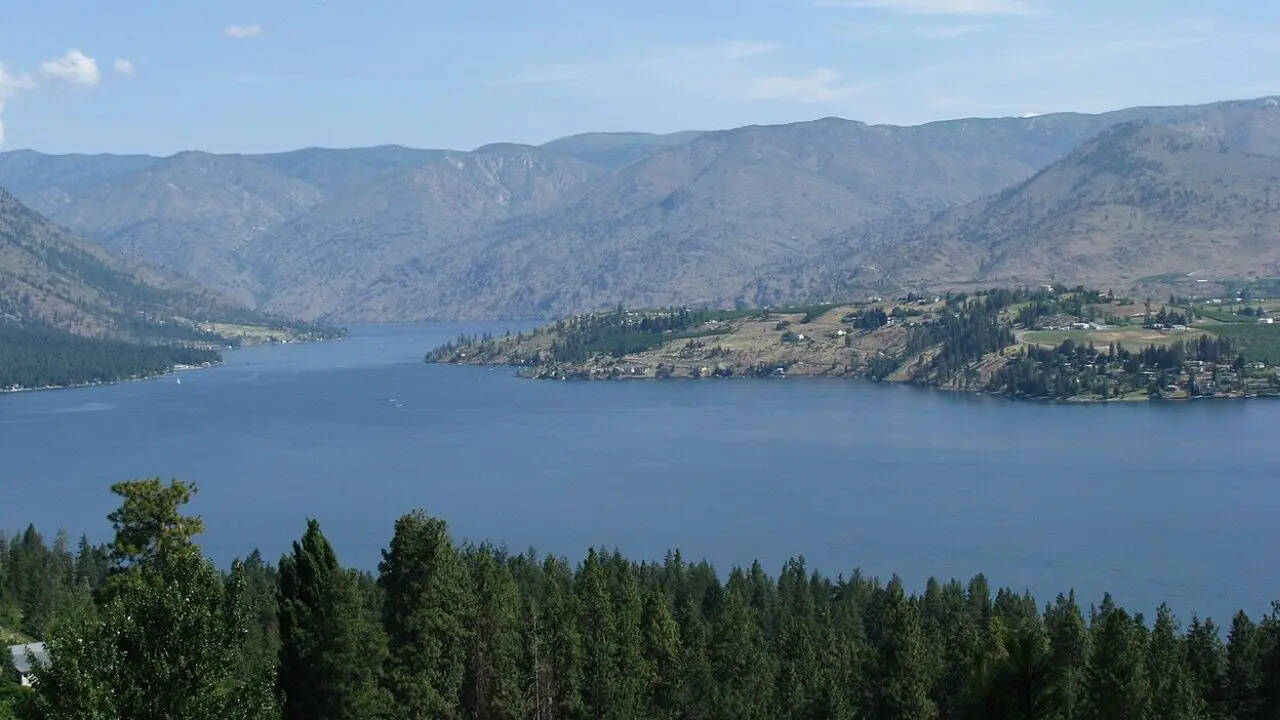
The lake, pronounced ‘pond oh-RAY,’ stands as Idaho’s largest and ranks as the fifth-deepest in the US. Its waters are incredibly clean. Ammonia levels measure just 0.02 milligrams per litre, while phosphorus sits at 0.01 milligrams per litre. The Clark Fork River supplies it, and its isolated, heavily wooded watershed stops high nutrient loads from entering the basin. As a result, native bull trout and westslope cutthroat trout thrive in its deep, cold waters.
Pollution Score: 2.09
Lake Winnibigoshish
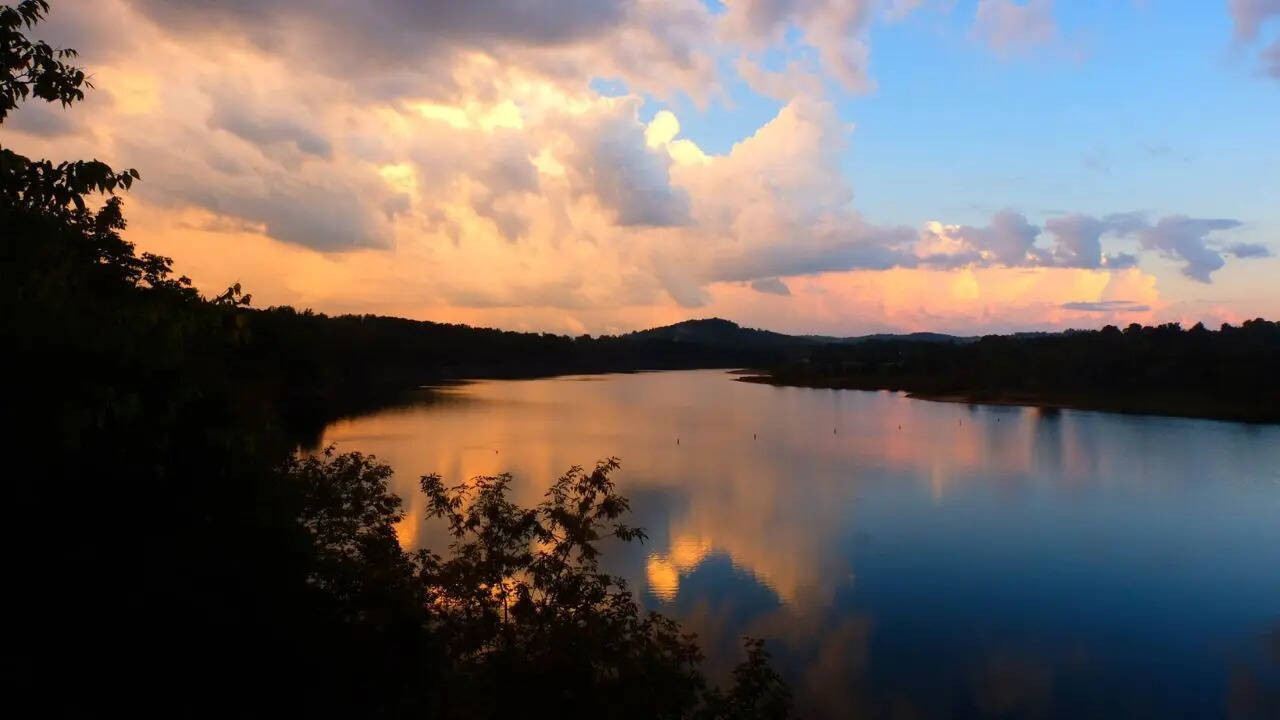
Despite its Ojibwe name, originally meaning miserable water, Minnesota's Lake Winnie is now celebrated for its low nutrient and algae levels. The Mississippi River flows directly through this lake, which maintains a high dissolved oxygen level of 9.38 milligrams per litre. While there are regional concerns regarding atmospheric mercury deposition, the water itself remains very clear. It is a premier summer destination for walleye fishing within the Chippewa National Forest.
Pollution Score: 2.20
Kentucky Lake
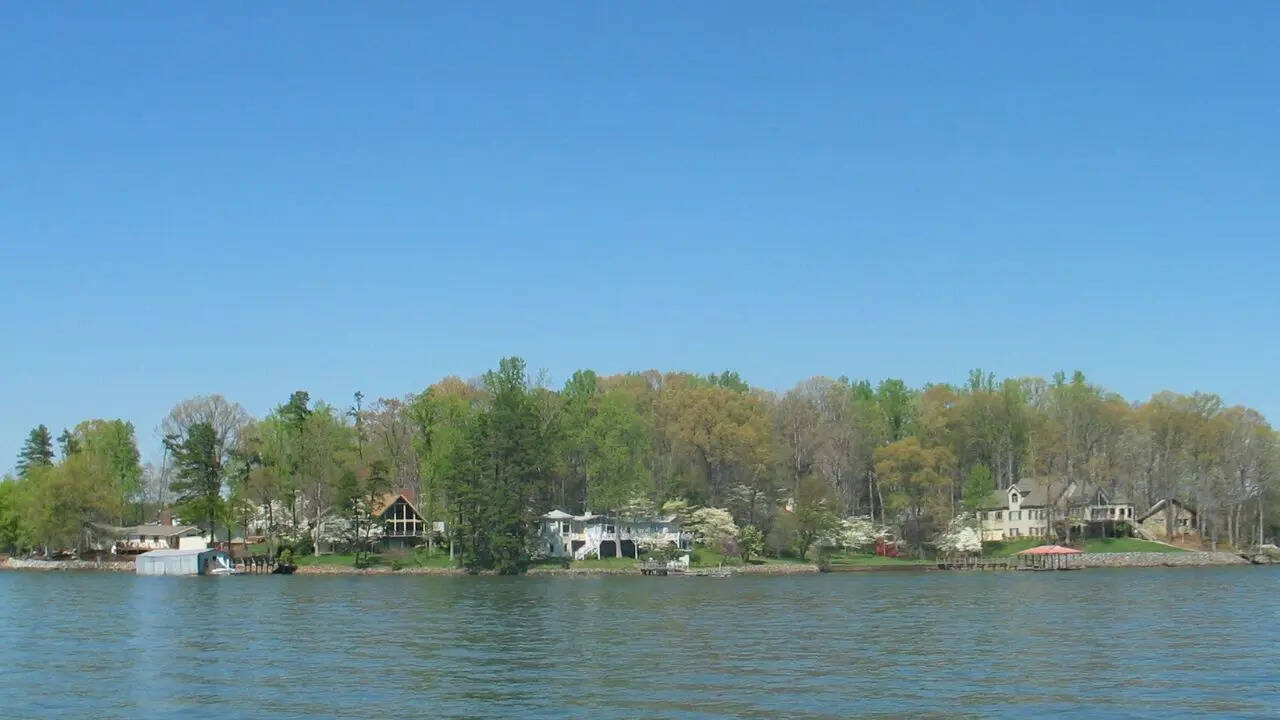
Kentucky Lake is the largest artificial lake in the eastern United States, stretching 184 miles along the Tennessee River. It serves as the western boundary of the Land Between the Lakes National Recreation Area. The lake has a turbidity of 3.63 NTU and total dissolved solids of 84 milligrams per litre, which are excellent figures for a man-made reservoir. Its clean water is vital for local hydroelectric power and supports a massive recreational fishing industry.
Pollution Score: 2.20
Lake Norman
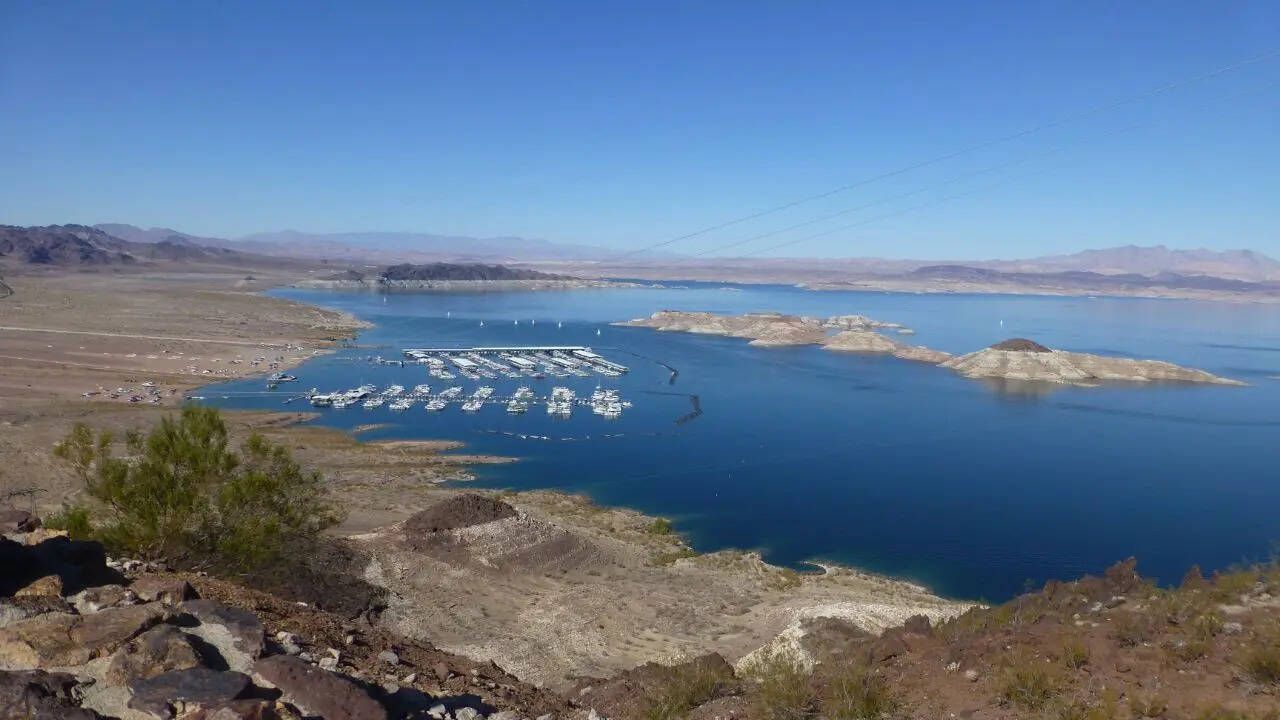
As North Carolina’s largest man-made lake, Lake Norman provides cooling for local power plants while serving as a major recreation hub. Despite a 2023 sewage spill, rapid cleanup and ongoing monitoring have restored its water quality. It currently features a phosphorus level of 0.03 milligrams per litre and a turbidity of 2.34 NTU. While seasonal algae can occasionally cause a milky appearance, the water is generally considered exceptionally clear for the region.
Pollution Score: 2.33
Lake Mead
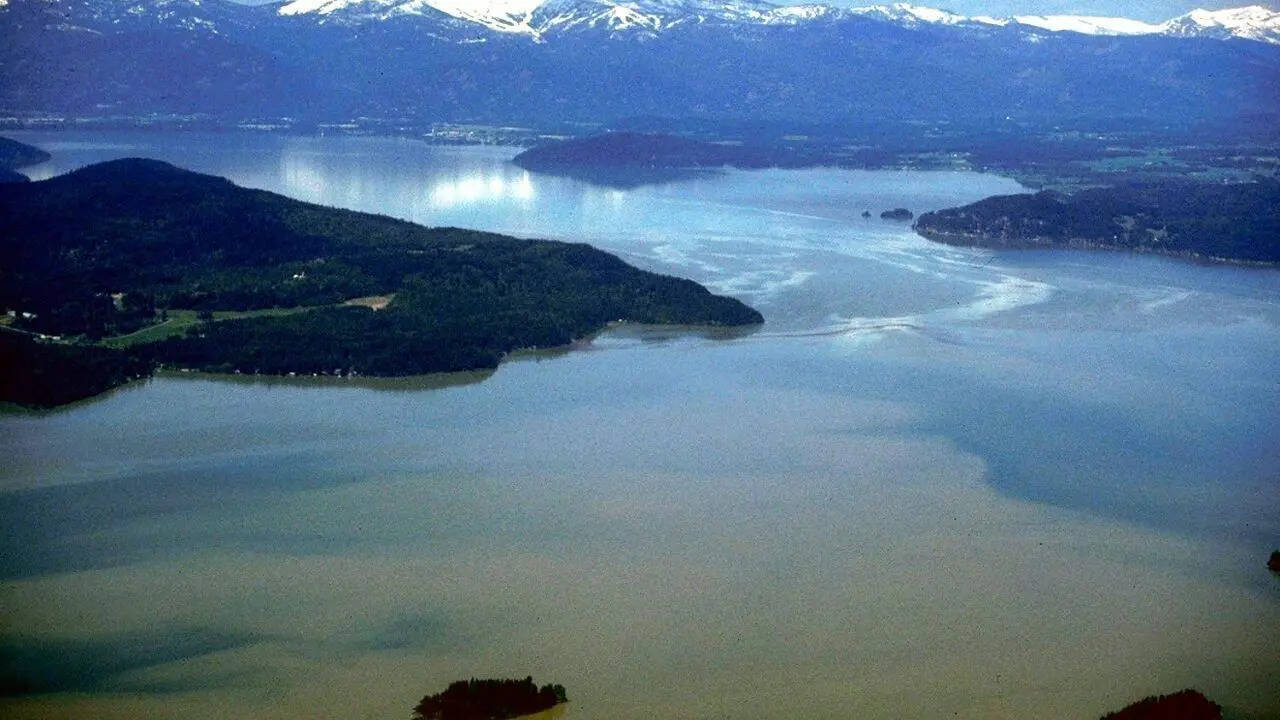
Created by the Hoover Dam, Lake Mead is the largest reservoir in the US by capacity and supplies water to 20 million people. While it faces severe volume challenges due to historic droughts, its water remains relatively clean with a turbidity of 3.44 NTU. Dissolved oxygen is lower than that of others on this list at 4.93 milligrams per litre, partly due to reduced water levels. Its clarity is maintained by sediments settling in the upper reaches of the Colorado River canyon.
Pollution Score: 2.45
Flathead Lake
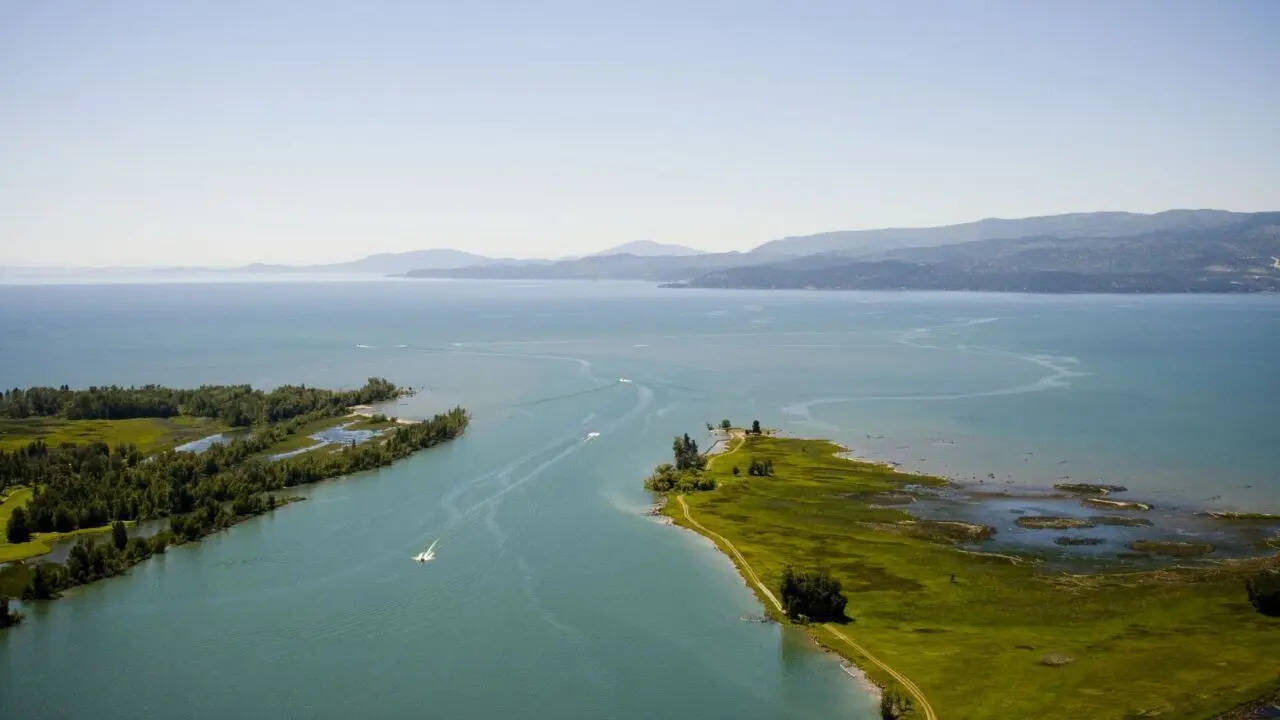
Flathead Lake in Montana is the largest natural freshwater lake west of the Mississippi in the lower 48 states. It is famous for its visibility, which regularly reaches 20 feet during the summer months. Fed by snowmelt and glacial runoff from nearby mountains, the lake has very low nitrogen and phosphorus levels that naturally limit algal growth. It maintains a high dissolved oxygen level of 9.68 milligrams per litre and supports a healthy ecosystem of grey wolves and elk.
Pollution Score: 2.6