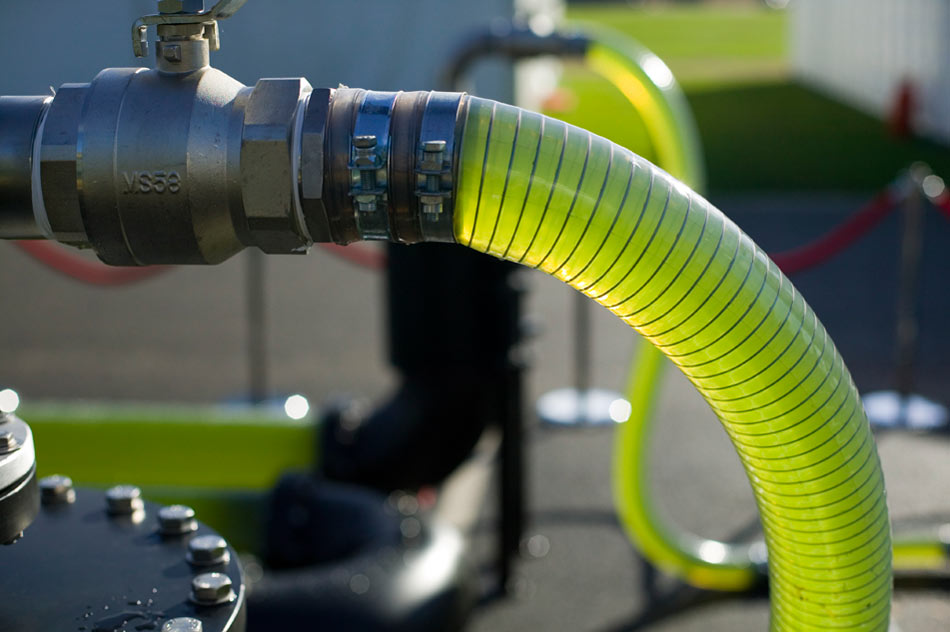
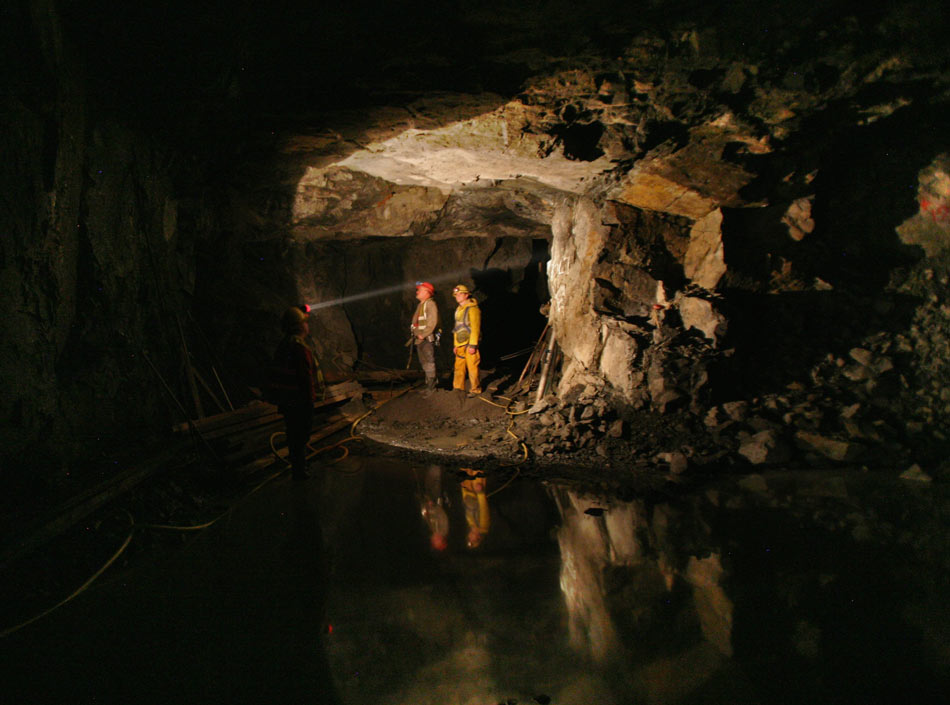
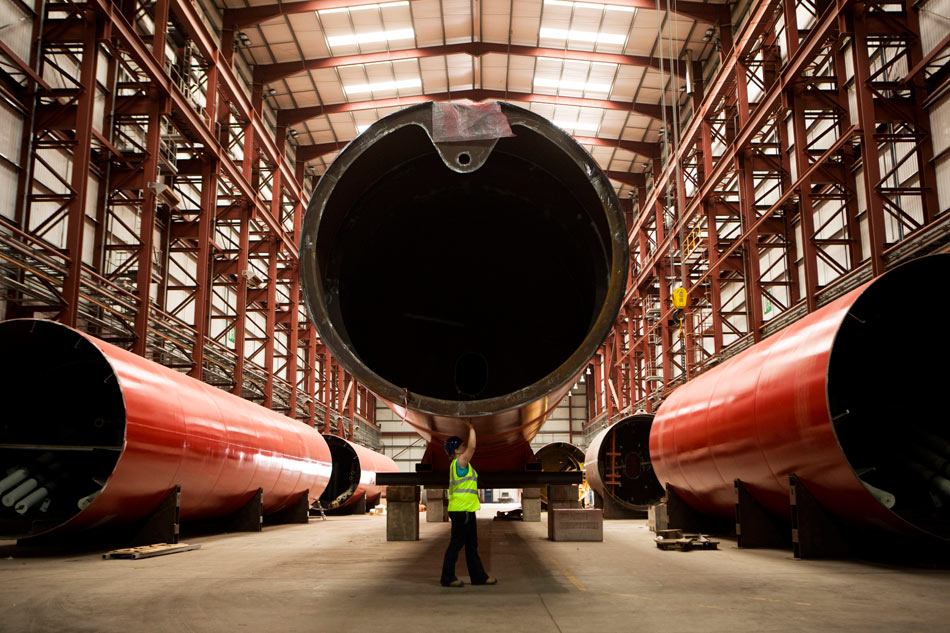
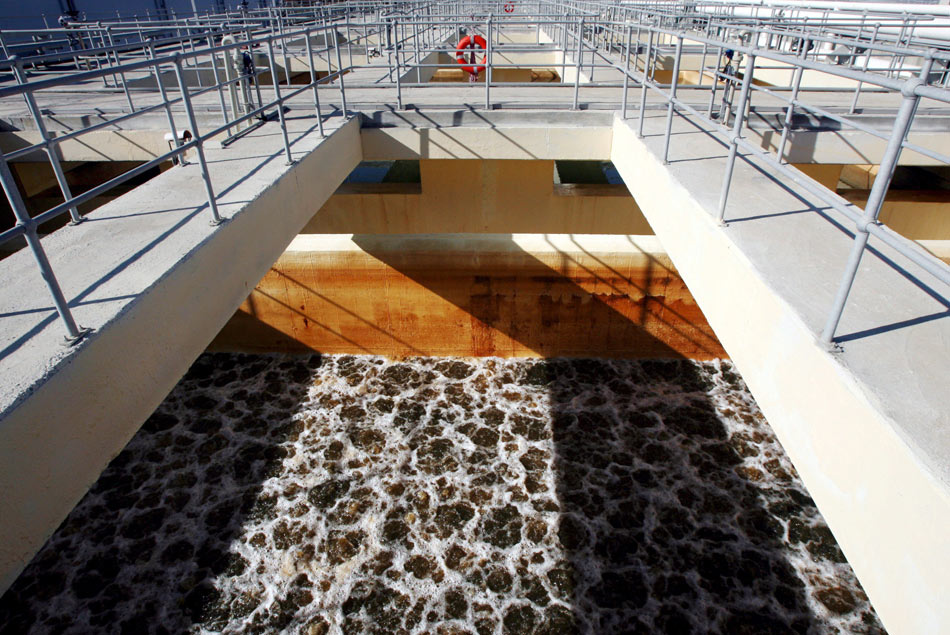
1. Algae biofuels If economic cutbacks do not intervene then 12 per cent of aviation fuel could come from algae by 2030. Mexico hopes to reach 1 per cent within four years. The first algae-fuelled car was put on the road in 2009. Algae fuel, a liquid looking similar to vegetable oil, releases only a fifth of the carbon emissions of fossil fuels and could be made in efficient coastal ponds. The big problem is money: production costs need to come down by 90 per cent. Photograph: Ashley Cooper/ Ashley Cooper/Corbis2. Zinc-air batteries With world zinc resources being 100 times more plentiful than lithium ion, a move to zinc-air batteries has the potential to make laptops more portable, electric vehicles more affordable and hearing aids more reliable. Zinc is recyclable, relatively cheap and has a high energy density. Currently used in non-rechargeable form in hearing aids, zinc batteries are expected to be launched in a rechargeable, longer-lasting version in a few years. Photograph: Matt Cardy/Getty ImagesPhotograph: Matt Cardy/Getty Images3. Organic solar cells The Carbon Trust believes that low-cost organic solar cells can be made efficient enough to win commercial success. It is backing a project which aims to use printed rolls of these cells to provide safe lighting in parts of Africa and India. However, hopes have been repeatedly disappointed as manufacturers have struggled to get above 9 per cent light-to-energy conversion efficiency. But, if successful, many of us will start using solar products everyday. Photograph: Alex Hofford/EPAPhotograph: Alex Hofford/EPA
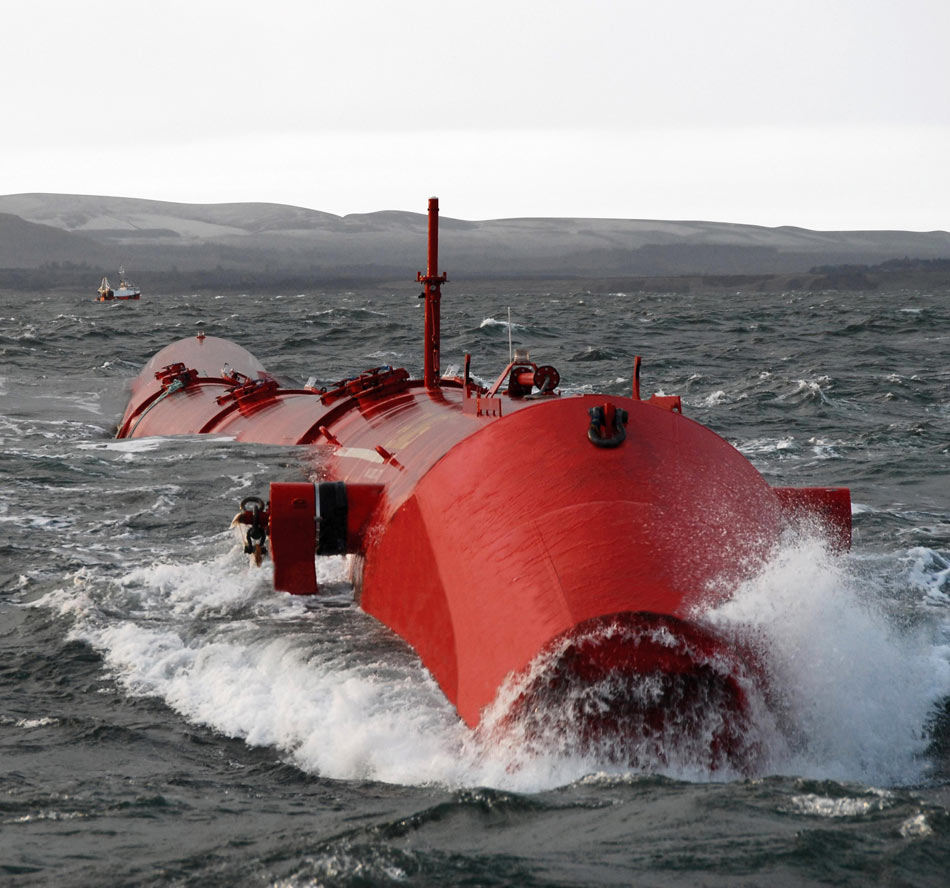
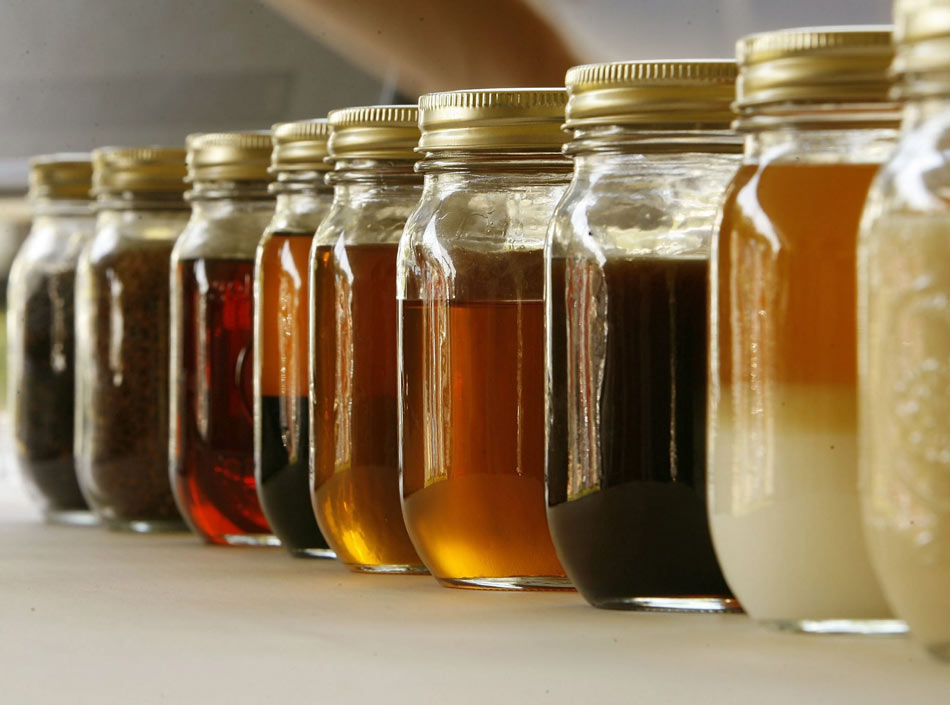
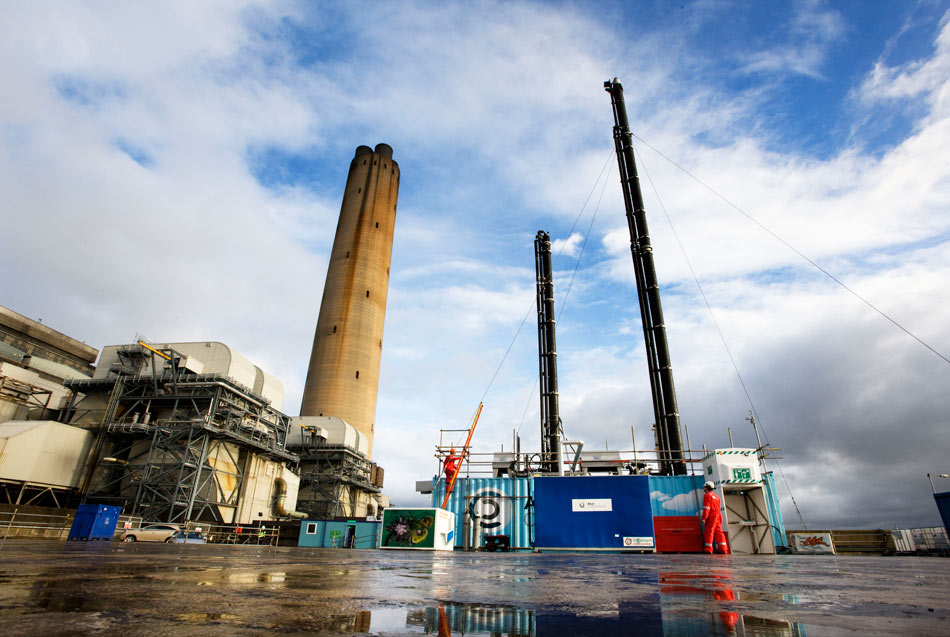
4. Marine energy The UK, US, Canada and Norway lead the world in developing sea wave and tidal energy resources but costs are still roughly double what is commercially viable. Suitable UK locations tend to be in difficult and deep waters, such as the Orkneys. A range of innovation is being developed, particularly in the more advanced and less costly area of tidal power. The Carbon Trust estimates that 20 per cent of UK electricity needs could be met by the sea from the 2020s. Photograph: E.ON/PAPhotograph: E.ON/PA5 Smart lighting The phasing out of inefficient incandescent lighting in favour of fluorescent bulbs which are 80 per cent more efficient is just a part of the story. Smart lighting is a rich area of innovation with hundreds of small organisations developing new ways to supply poor countries with solar lanterns or, at the other end of the spectrum, to provide occupancy sensors and daylight sensitive schemes for factories. Lights that screen for biochemical hazards or which can provide internet access are in the pipeline.Photograph: Ashden Awards6. Pyrolysis oil The race is on to find tomorrow's transport biofuels as question marks hang over the costly land use and other controversial features of producing some sugar-based and other bio-ethanols. Research is being conducted into the production of pyrolysis oil - typically achieved by burning waste at 500 degrees C. A UK pilot is due to start in 2014, with the aim to become commercially viable within 10-15 years. Photograph: Chip Somodevilla/Getty Images7. Building micro-automation German company EnOcean, which made the Cleantech 100 in 2011, is designing systems through which radio signals are emitted in response to tiny temperature fluctuations. These signals order particular responses in building automation equipment, such as lighting and heating controls. The technology, being developed and promoted in a global alliance, is being extended to cover other kinds of wireless building communications.Photograph: EnOcean8. Reliable offshore wind technology You have got a piece of equipment which is taller than the Gherkin and wider than the London Eye. What do you do when it breaks down 150 miles offshore in the harsh waters of Dogger Bank? This challenge is one reason that the UK is producing under 5 per cent of the offshore wind energy for which it has the sea resources. A consortium of energy companies and other experts is researching possibilities for sturdier design, installation and maintenance.Photograph: Murdo Macleod/Murdo MacLeod9. Cost-effective desalination processes Making sea water drinkable or usable in manufacturing is a process that has already been mastered in huge plants run in the UAE, US and some other countries. But demand for clean water is growing, not least because of China's growing requirements. As current treatments are expensive and energy-intensive, there is huge interest in new technologies which improve the filtering mechanism of the basic osmosis and reverse osmosis techniques, and which borrow ideas from the water-softening sector.Photograph: Jim Hollander/EPA10. Carbon capture and storage Carbon capture and storage (CCS) is capable of reducing carbon emissions from gas and coal power plants, cement producers and other large emitters by up to 90 per cent. Confusion over funding has made the realisation of plans lag behind the science. More than 200 UK scientists at 36 universities are currently involved in CCS research. The International Energy Agency predicts a need for more than 3,000 CCS systems worldwide by 2050 if temperatures are not to rise by more than 2 degrees . UK government announcements are expected imminently.Photograph: Murdo Macleod/Murdo MacLeod
Sign up to read this article
Read news from 100’s of titles, curated specifically for you.