A tool for mental wellness, meditation will evolve from a singular to a plural practice, from a generic concept to specific types with different impacts on the brain.
Many breeds of meditation will be available, according to a report from the Global Wellness Summit (GWS), as it's one of this year's biggest health trends.
The growth is in tandem with a profound confusion around the concepts of "meditation" and "mindfulness", which are used interchangeably.
While there are many types of meditation, they share three core mechanisms: focused attention and clearing the mind of thoughts; open monitoring, which includes mindfulness meditation; and self-transcending, involving silent mantras.
Each of them activates specific brainwaves and neuroplastic changes, thus leading to different outcomes.
While an ancient practice, meditation is relatively young in the realm of research. More clinical trials will study these core types of meditation head-to-head, with the results helping people select a practice that will help them achieve specific goals.
Meditation also means booming business, according to the GWS, which anticipates a surge in mindful-fitness brands, drop-in meditation studios, tailor-made practices and mindfulness apps.
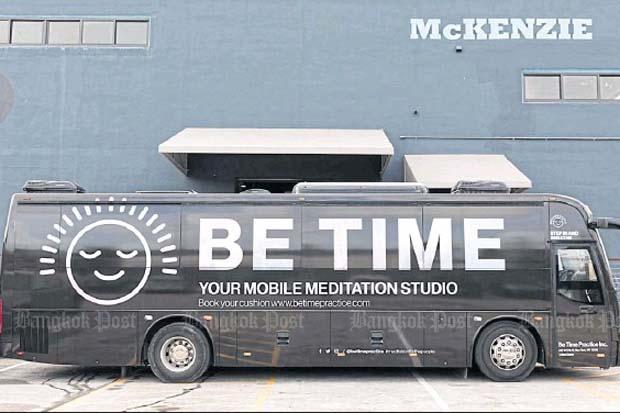
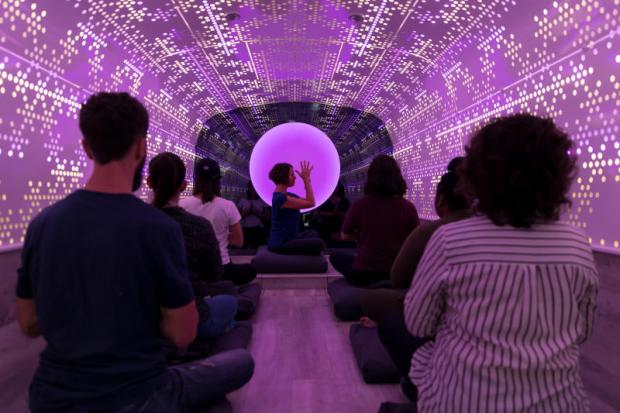
A mobile meditation studio, Be Time transports New Yorkers away from the Big Apple for peace of mind. The bus stops at different locations in Manhattan each day, for people to join its meditation class.
London-based Breathpod teaches transformational breathing, which clears up subconscious negativity by activating a high vibrational frequency in the body.
Another British brand, BeSophro clinic and online platform, specialises in Sophrology, also called dynamic relaxation, which combines Eastern philosophies with Western science using breathing, relaxation, gentle movement and visualisation techniques to calm the mind.
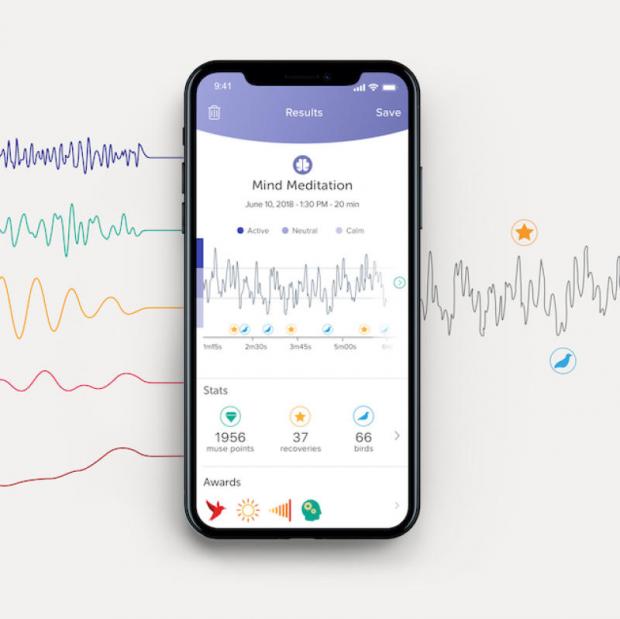
Technologies will also boost the meditation experience, using tech-like biofeedback, EEG/brainwave tracking and transcranial direct-current stimulation.
The Muse 2 headband, for instance, tracks your brain patterns, heartbeat and movement to optimise a meditation session in real time while Healium, a virtual-reality headset, translates your brainwaves and heartbeat into personal visual meditations.