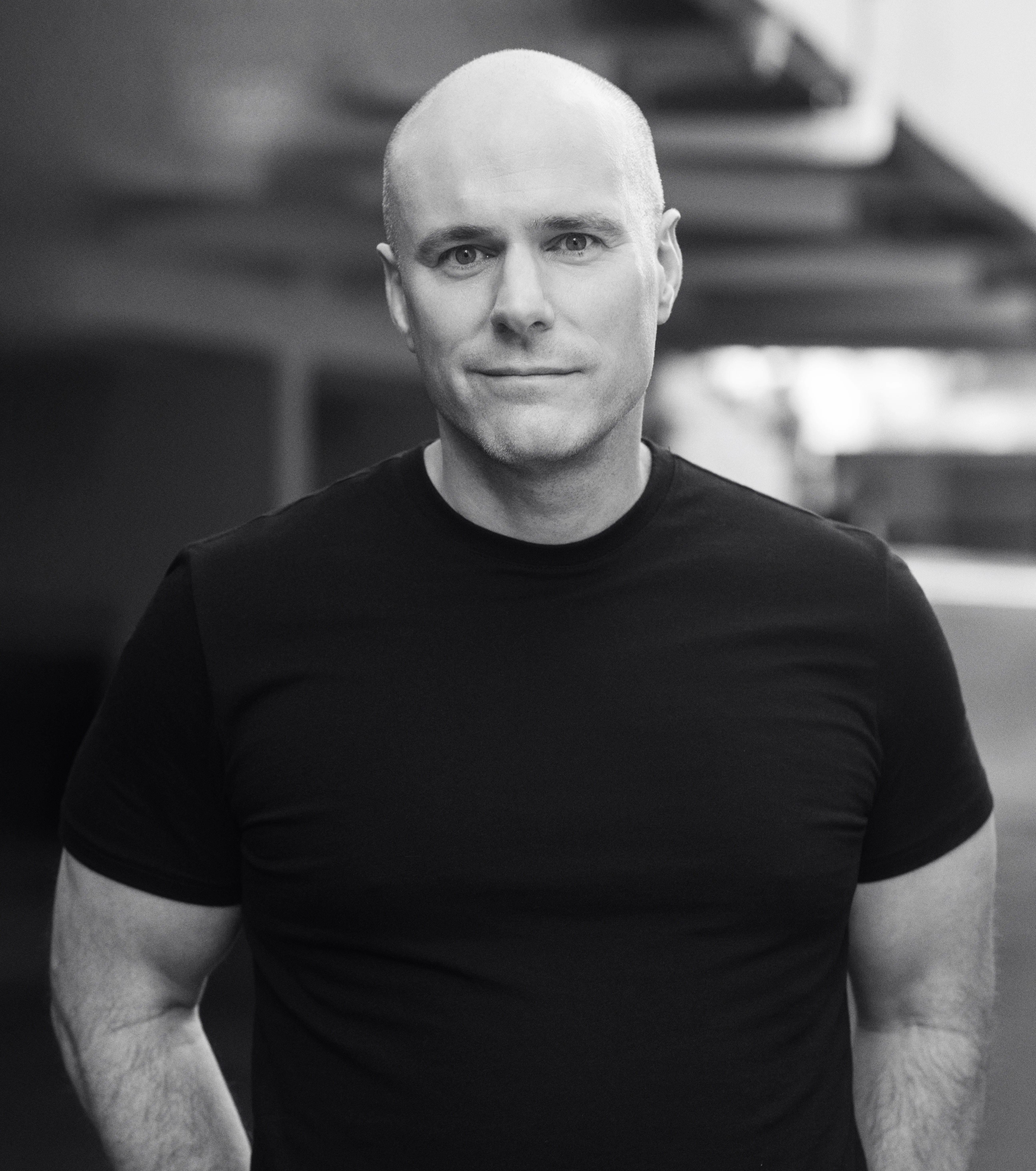
Tom King has lived almost too many lives to count, and any one of them would be enough to make someone’s jaw drop at a dinner party. King interned at Marvel and with DC Comics’ edgier imprint, Vertigo, in the ’90s, shadowing the legends of the era. After that, he made a hard pivot into counterterrorism, working for the CIA in the shadow of 9/11. He’d return to the world of comics a decade later and hasn’t slowed down much since: This modern era has been largely defined by his pen, with heroes as big as Batman and Wonder Woman, or as obscure as Adam Strange, taking on surprising new lives on the page and off.
Still, that doesn’t mean the writer can’t get starstruck himself. When I meet King in the lobby of his hotel — tucked far enough away from the malaise of Comic-Con to feel almost like a different world — he wonders if we’ll run into any of the “beautiful people” here to promote their projects in panels and presentations. Never mind the fact that he’s technically one of those people now: He’s still stuck on the fact that his latest endeavor, Lanterns, has inspired a friendship with its star, Kyle Chandler.
“I was walking through the con [with] Kyle Chandler, who’s our Green Lantern — but also... it’s Coach,” King tells Inverse, invoking Chandler’s breakout role in Friday Night Lights. “He came to my booth yesterday in a mask... He’s like, ‘I want to see what you write.’ What a surreal experience.”
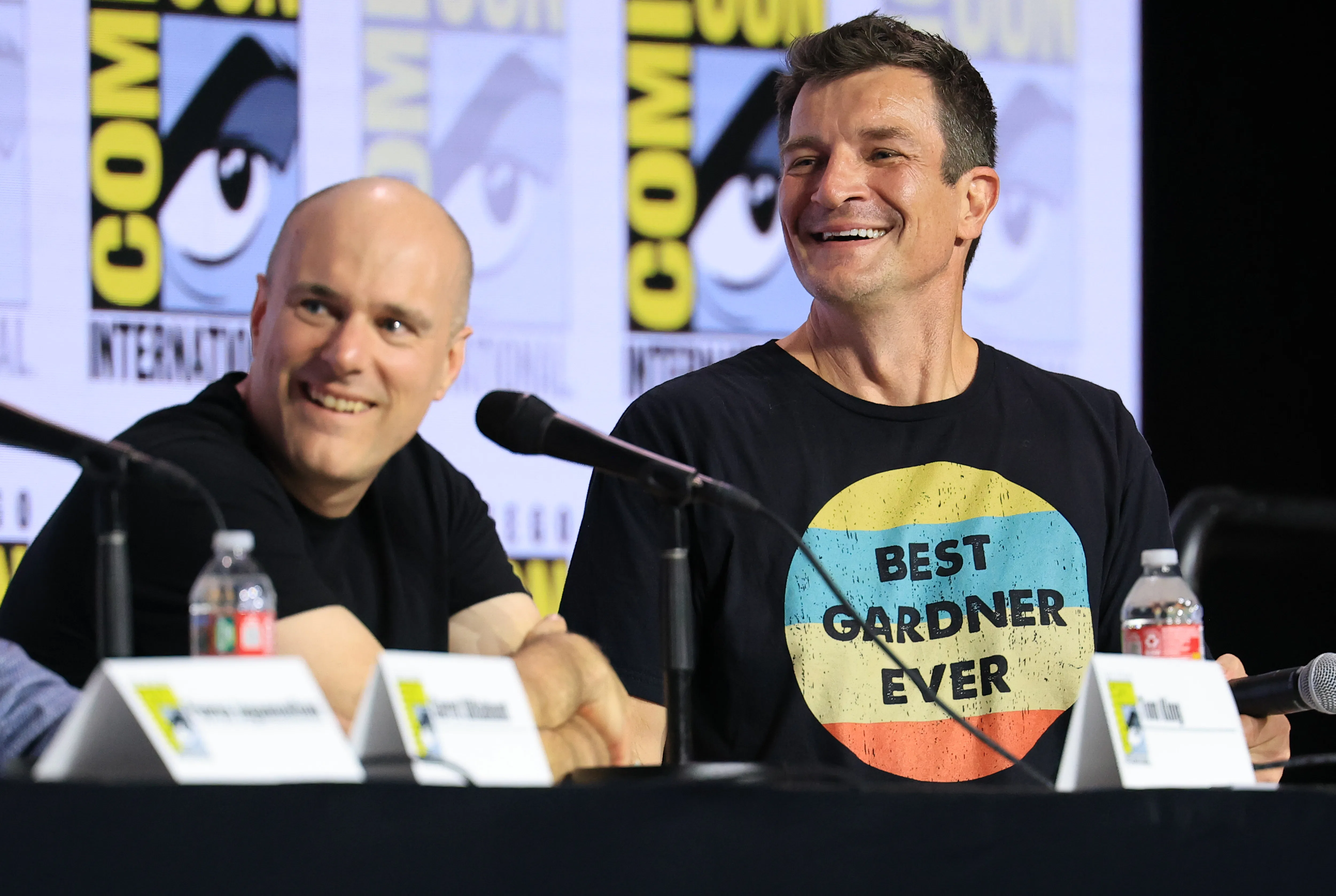
King describes Chandler as a “sweetheart,” and that could easily describe himself. He’s a long way from the controversial, “combat-ready” image his résumé might invoke. The legendary figure behind the comics we’d now deem classics — like The Visions, Strange Adventures, and Supergirl: Woman of Tomorrow — is honestly more like a teddy bear. With each anecdote he shares, he might as well be saying “Pinch me.” He speaks with gratitude about his tenure at Marvel (which inspired shows like the Emmy-winning WandaVision), and humbly about his not-insignificant role in James Gunn and Peter Safran’s new DC Universe. Woman of Tomorrow was the sole inspiration for Craig Gillespie’s film adaptation, which hit theaters earlier this summer. Next comes Lanterns, a new Green Lantern origin story King built alongside Watchmen scribe Damon Lindelof and Ozark creator Chris Mundy.
“Damon, Chris, and I are f*cking alpha dogs,” King muses, but the environment they built for Lanterns sounds like anything but. “Always, the motto was that anyone can contribute. Raise your hand if you have an idea: Whether you’re an assistant or you’re the showrunner, everyone’s equal.”
“The central mystery we started with is, ‘Why does Guy Gardner have the ring [in Superman ]?’”
It’s a motto that King clearly had no problem adhering to. In our 40 minutes together, he talks more about other people than himself. He constantly shouts out the writers and artists who paved the way for him. He’s just as thrilled to take his wife to the Lanterns premiere — which they’ve dubbed their “superhero prom” — as he is to unveil DC’s new incarnation of John Stewart (Aaron Pierre), spearheaded largely by writer Vanessa Baden Kelly. Even facing the finicky DC fandom again sounds like a kind of gift.
“The passion the fans have, it’s unequaled in any sort of genre,” King explains. “Trust me, I’ve been screamed at, and I’ve gotten the death threats. I’ve had bodyguards. I’ve been through the whole gauntlet. I don’t regret any of it because that passion for nerddom [is] unequaled in any genre. That has made my career and has elevated me from a nerd to this. I’m grateful for it.”
Watching the world slowly wake up to the beauty of the comic medium — and treat its creators as the artists they are — has colored King’s perspective for the better. Lanterns will push the DCU to new heights, but it’s just the beginning of the writer’s new frontier: Hollywood.
This interview has been edited and condensed for clarity.
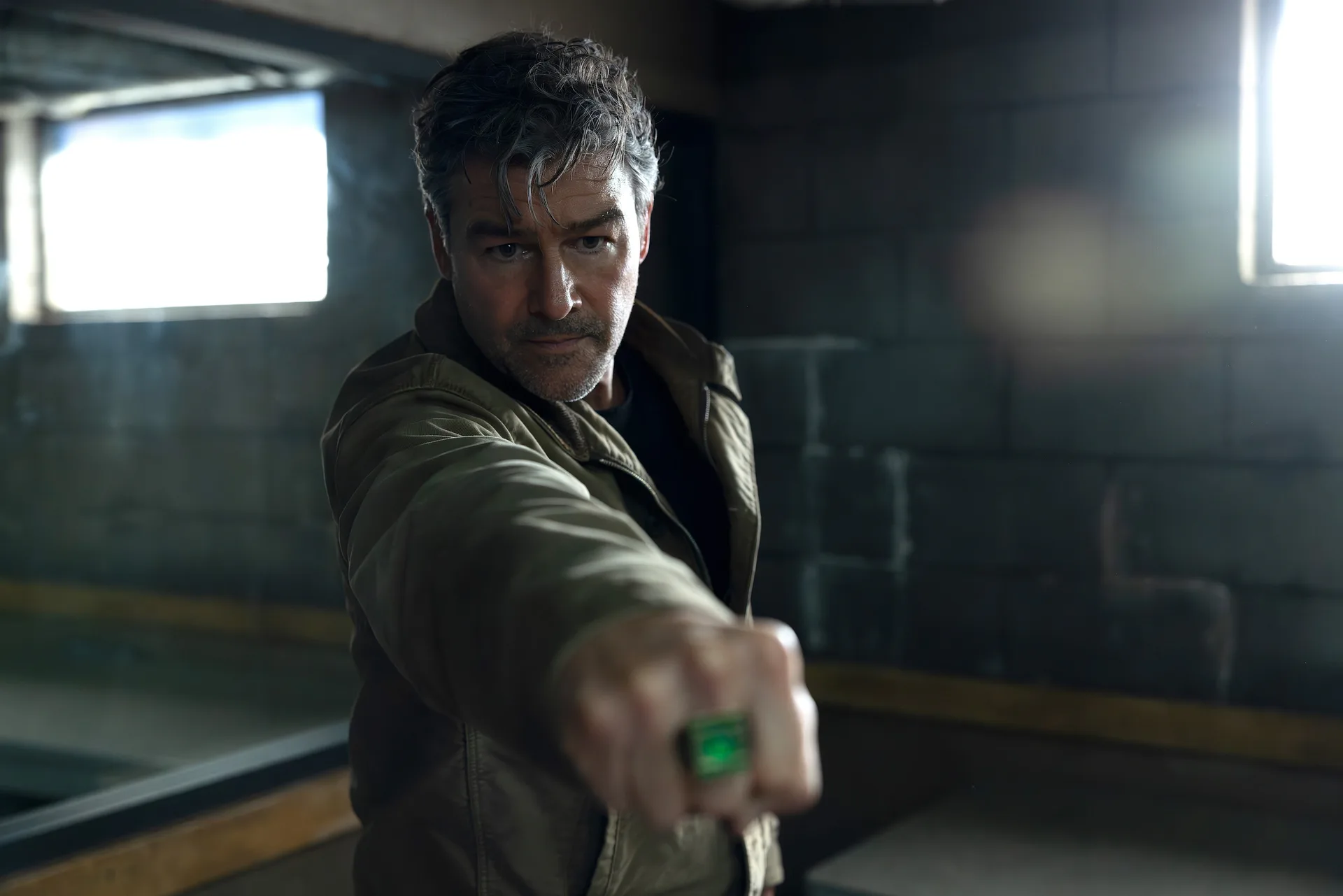
Talk to me about how the story of Lanterns became what we see in the show.
It started with me. I sort of had it first. And then we brought Damon [Lindelof] and Chris [Mundy] on. We threw out everything I had and started over — I mean, except for the theme. The three of us built a show. And then when we hit the ground with the three other writers, we were like, “Here’s what we have.” And they’re like, “Throw that all out, because we have ideas.” It was built organically that way, by listening to each other and to each person’s personal experience. We had these big ideas, and Vanessa [Baden Kelly] built that from her experience and made it sing. She gets all the flowers for that.
Did you always know it’d be Hal training John to be his successor?
The central mystery we started with is, “Why does Guy Gardner have the ring? There’s these two other Lanterns. Why is he the one you only see in the Superman movie? How do we kind of explain that, where that starts, and where Hal is in the picture?” It was always, from the beginning, John Stewart and Hal Jordan, because those are the quintessential Green Lanterns. Due to two people, I think: Gil Kane, who created our ’60s Hal Jordan. That “Paul Newman” Hal Jordan — which is so embodied by Kyle — that’s very much [from] Gil Kane and John Broome, who invented him as kind of this ideal, ’60s masculine guy living on the edge.
And for John, Neal Adams. Neal was this total outsider; he was, like, a rebel. He’s like, “I’m not going anywhere where I’m not changing the game for the better.” He took hits for that in the comic industry. But he’s the one who got us paid and got us the first whiff of health insurance and got the old guard their art back… And that’s all in John Stewart. And then Dwayne McDuffie was the guy. Dwayne McDuffie had such control over his art. He’s the one who brought that Marine to [John] and brought that creativity to him — and brought that to children. A whole generation’s like, “Who’s Hal Jordan? John Stewart’s my Green Lantern.”
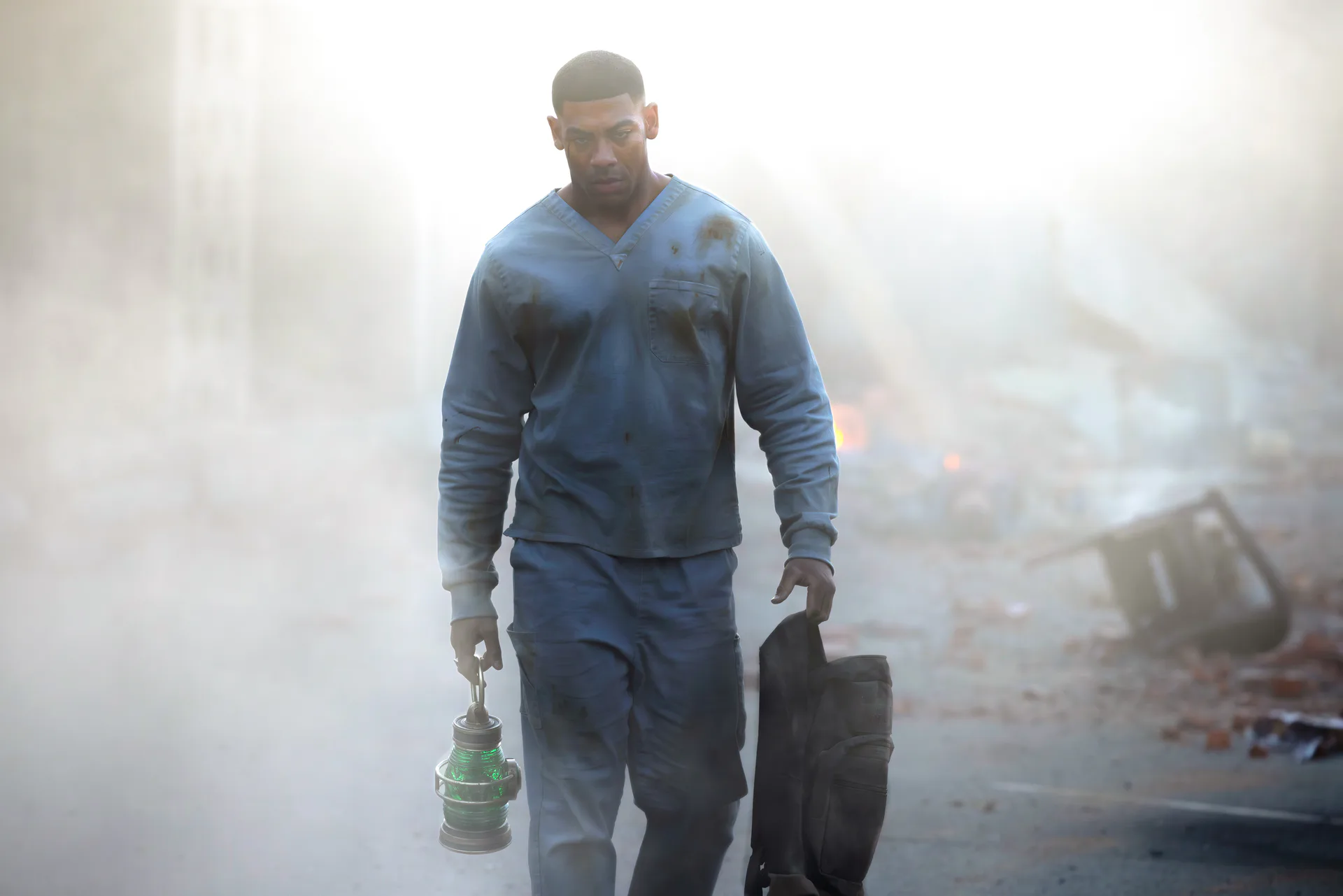
How did you decide that these men would be two ships in the night who’d have to work together for this tiny blink of time?
There’s a lot in the zeitgeist now about passing from generation to generation and how that transition happens. How do you know it’s time to leave the stage? How do you know that the next guy’s coming up? What’s the difference between mentoring them and holding them back? We wanted to dig into that, so the idea of making them generationally different, but having to be in that same space and having to deal with those conflicts, really resonated. We hadn’t seen that presented on-screen as much, especially in the superhero context. That’s where it began.
“We tweaked [John’s] origin story to give him that thing that Batman has, that thing that Spider-Man has: a hook.”
Lanterns does take some big swings with that premise right out the gate. This series takes place after Sinestro breaks bad and is defeated by the Green Lanterns, which is a huge comic story that hasn’t really been adapted on-screen. Did that ever feel like a risk?
I was at the first architecture meeting [for the DCU], when we’re just sort of all these writers sitting around the room. James Gunn’s first — and it was so instinctual to him that he didn’t realize what a revolution it was… But he started that first meeting by pitching us what his universe is going to be. As he’s pitching us Superman, the thing that he was saying is, “This is not an origin story. We’re not starting with Day 1. This universe has started. We’re on Day 20 of this universe. We’re on Day 80. We’re on Year 80.” He’s like, “People are tired of origin stories. People are tired of seeing that stuff over and over again. Let’s give them quality over explaining. They don’t need to be lectured at. They need to be entertained.”
Starting in the middle was always James’ way of saying, “Get to the meat.” You’re in a universe that lives. It’s like picking up a random comic book. And the Sinestro stuff, I love that because what separates DC from Marvel a little bit — at least in the comics I’ve been doing so much — is the idea of legacy, the idea that what you do affects the next generation. Who your father is affects who you are as a son, affects who you are as a father. It’s the idea that Sinestro was Hal’s coach, and Hal is John’s coach. Both of them have passed on the good and the bad to each other. Watching that flow the way we watch both our trauma and our greatness flow from our grandparents down to us was a wonderful part of that show.
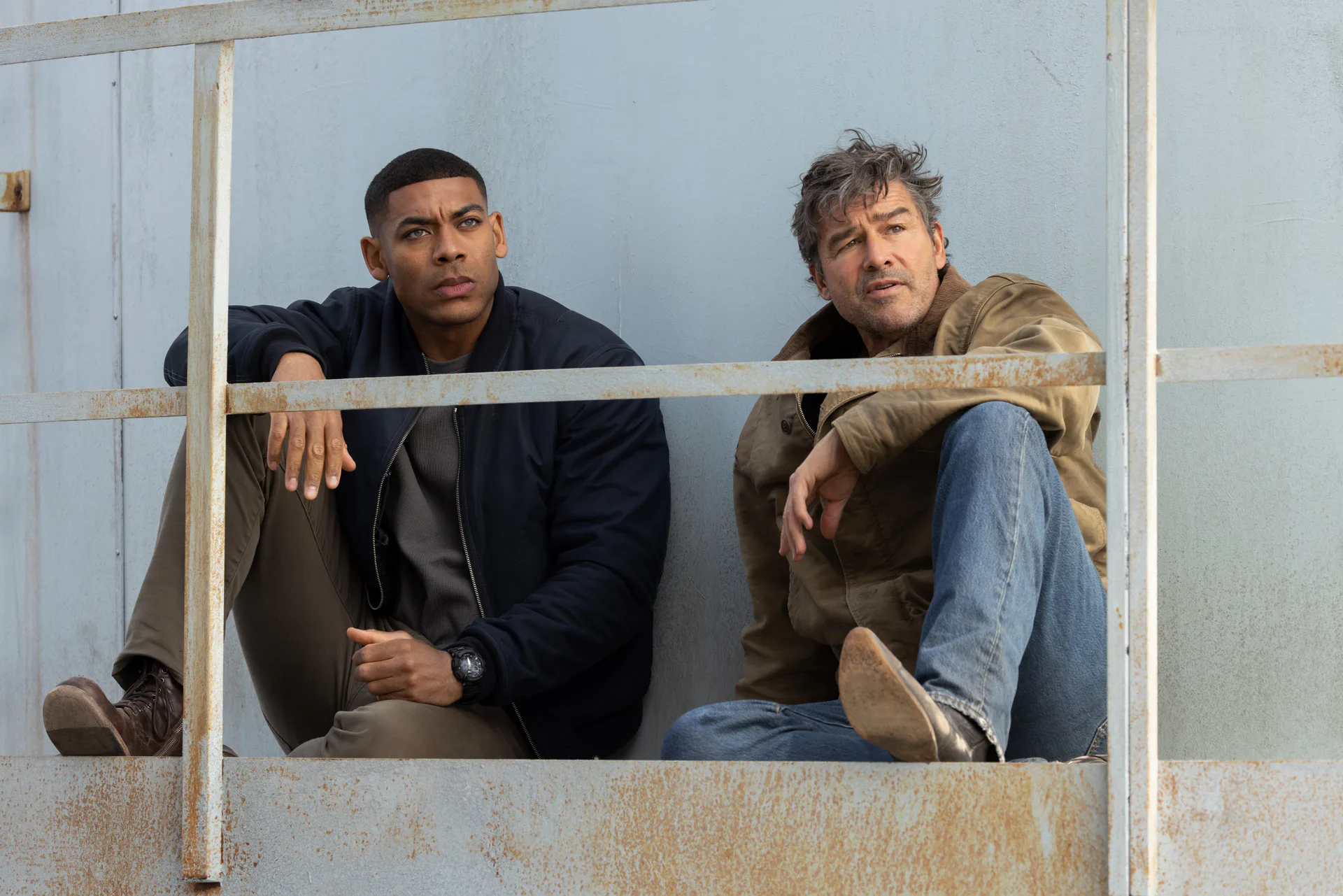
You also get some of that in the way this tweaks John’s origins, examining this idea of legacy in his relationship to his parents, and the privilege of being considered for a ring.
John’s origin has been fudgeable a little bit. Different people have done different things with it. It’s not like Batman’s “My parents were killed.” It has changed. We tweaked his origin story to give him that thing that Batman has, that thing that Spider-Man has: a hook. They can be like, “Oh, I understand this character because he deserves that, because a hook makes a great superhero.” And John’s one of the greatest we’ve ever had.
We played with this idea in the room, the odd idea that, with the ring — and Vanessa wrote this so well — sometimes you have to raise your hand. I remember reading that the first time, and I was like, “Oh my God. That’s the show.” That the ring chose Hal and he doesn’t think of the privilege of that, like, “Yeah, of course I deserve all this.” But John’s like, “There’s a difference between him and me. I know it’s not fair. That’s the way the world is.” A lot of parents have that conversation with their kids, and it’s a hard conversation to have.
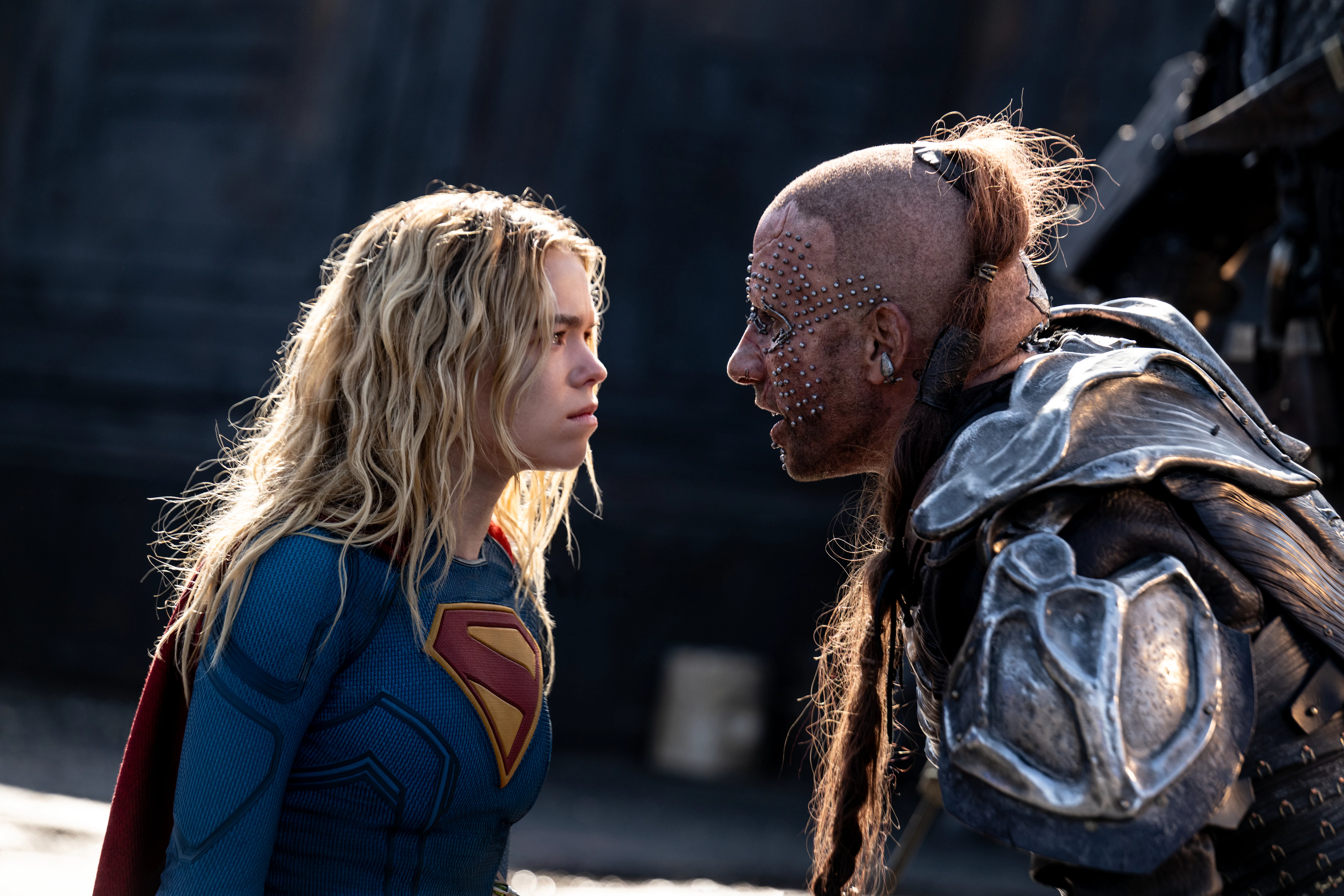
Just before Lanterns, DC released Supergirl, based on your Woman of Tomorrow series. Did you work with [screenwriter] Ana Nogueira on that adaptation at all?
I was very purposefully hands-off on that project because, number one, I was in Lanterns. So that was my focus, supporting Chris to make Lanterns. And number two, I was so close to that material. I love that book that I wrote that I wanted to give them the freedom to create something. Because if I’m in there, I’m going to be like, “Let me tell you how it’s done.” And that wouldn’t have helped anyone be creative. I hate when people are doing that to me, so I wouldn’t want to do it to somebody else. Instead, I was like, “Beautiful people make beautiful work. Go forth and do your thing. I’ll be over here.”
“Sometimes you have to raise your hand. And James [Gunn] was nice enough to be like, ‘Oh, Tom’s got his hand up. Let’s call him.’”
Nogueira’s working on a Wonder Woman movie as well. Have you gone hands-off with that, too?
For a while I had a job where I was a consultant — like a nerd consultant — so I worked on a lot of different sort of [DC] projects. But between Lanterns and Mister Miracle… I’m not involved in Wonder Woman except to say I hope it’s going to be utterly brilliant. I hope the people who are building it stay true to who that character is, because she’s just one of the greatest heroines ever created.
You’ve had an incredible career, and a lot of the stories that you’ve redefined for the modern age have become really influential. How has it felt to see studios like Marvel sort of cherry-pick from those stories without real consultation, to now, with DC, be invited on as a consultant, co-writer, showrunner?
There were many years when comic book writers were sort of… It’s hard to say “taken advantage of,” but people made a lot of money off of men who didn’t have health insurance and ended up living alone and dying alone because of it. I knew those men. They were my friends, and I talked to them, and I mean, literally, you’re lending these guys money and there’s a TV show based on a character they created.
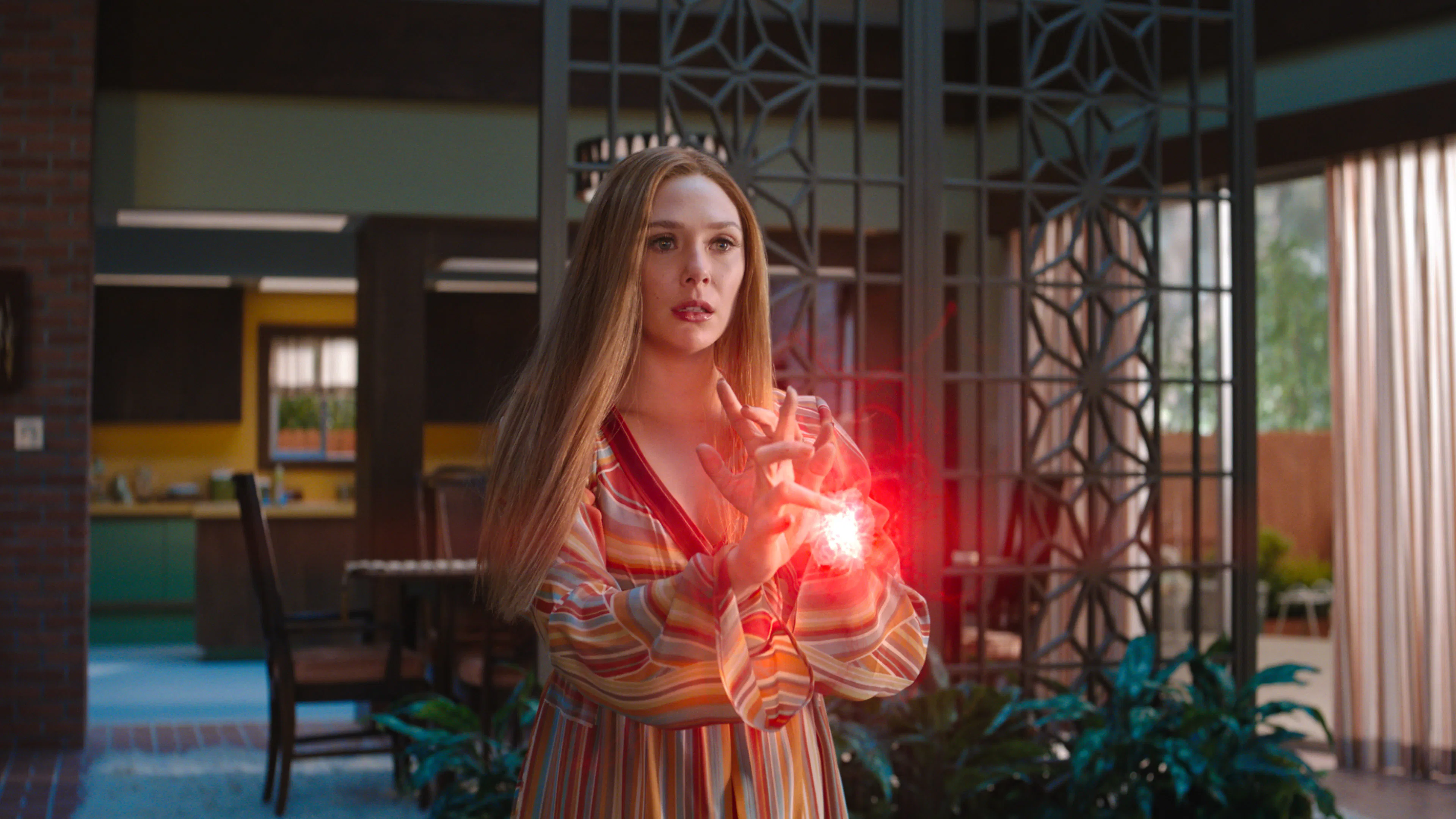
My stuff inspired WandaVision. [Marvel] was very nice to me, but I wasn’t involved. Having sort of grown up with these incredible creators who had been… The system had kind of hurt them a little bit, and having heard those stories and the stuff they did, I was like, “I’m going to follow what they told me to do, and I’m not going to let this go. If they’re creating something about mine, I’m going to write it. I’m going to be in that room.” Learning from Vanessa, who is the best person to learn from: Sometimes you have to raise your hand. And James was nice enough to be like, “Oh, Tom’s got his hand up. Let’s call him.”
Sometimes you don’t get the guy who calls on you. Or sometimes it’s really hard to raise your hand. It’s a lot of luck, and it’s a lot of my kids and my wife supporting me, but now I got to create this show. I’m showrunning this new show, Mister Miracle, which is probably the best thing I’ve ever done in my life. I’m writing this Archie movie for [Phil] Lord and [Christopher] Miller. All the credit to James Gunn and Peter Safran, the heads of DC Studios, who were kind enough to be like, “Hey, these guys who write comics — maybe they could help us contribute to this.”