In AD79, up to 16,000 people were horribly killed by a pyroclastic surge of rock, gas and lava from the erupting Mount Vesuvius. And now, in further bad news for the poor residents of Pompeii, Tom Hiddleston is wandering around their plaster-cast corpses being cringe.
Hiddleston, of Marvel fame, is a historian now. He’s the host of National Geographic’s Pompeii: Out of Time with Tom Hiddleston, a new documentary series cut together with dramatic reconstructions, which is also in some ways a secret spin-off for his impish, time-travelling Marvel character Loki. Hiddleston clicks his fingers and rewinds the action throughout, throws computer data into mid-air a la Minority Report or Sherlock Holmes’s mind palace, and halts conversations (“Wait, pause!”) to tell a professor of classics that actually he can speak fluent Latin so can do the translating for him.
Somewhere along the line this sort of thing became Hiddleston’s bread and butter. Not the National Geographic of it all, but the cheese. It’s as if he took one look at those pictures of himself running around a beach wearing an “I HEART TS” T-shirt while briefly dating Taylor Swift and thought not “good god, get these wiped from the internet post-haste”, but instead “give me more of this now”. Hiddleston does mortifying impressions of Robert De Niro to the man’s face on Graham Norton. He dances a bit too enthusiastically with Alison Hammond and Dermot O’Leary on This Morning. He surveys an ancient bathhouse in Pompeii and declares “ooh, I love a cold plunge!”
Part of me respects the sheer earnestness on offer, and how fearlessly Hiddleston embraces opportunities for humiliation. But it results in an odd duck of a show, where attempts are made to zhuzh up the traditional history documentary format and humanise the tragedies of thousands of years ago, but in ways that feel more alienating than enjoyable.
This is mainly Hiddleston’s fault. He is an uncomfortable TV host, delivering every one of his lines with studied, theatrical weight, every sentence to camera … staggered … with histrionic … gravitas. His interactions with actual classicists are mostly scripted, too, full of jokey banter and CGI-assisted asides that make Hiddleston seem more than a bit weird and the experts unusually stiff. At one point he wells up at the thought of an orphaned child of Pompeii, whom he imagines while gazing off into the middle distance. At another he furrows his brow and clicks his fingers while studying an enormous corkboard plastered in research post-its (“NO DAD?” reads one), like he’s Carrie Mathison in Homeland. He’s basically acting all the way through the thing, and lacks the relaxed, human touch of a Lucy Worsley, or even travelogue maestros like Michael Palin or the late Anthony Bourdain.
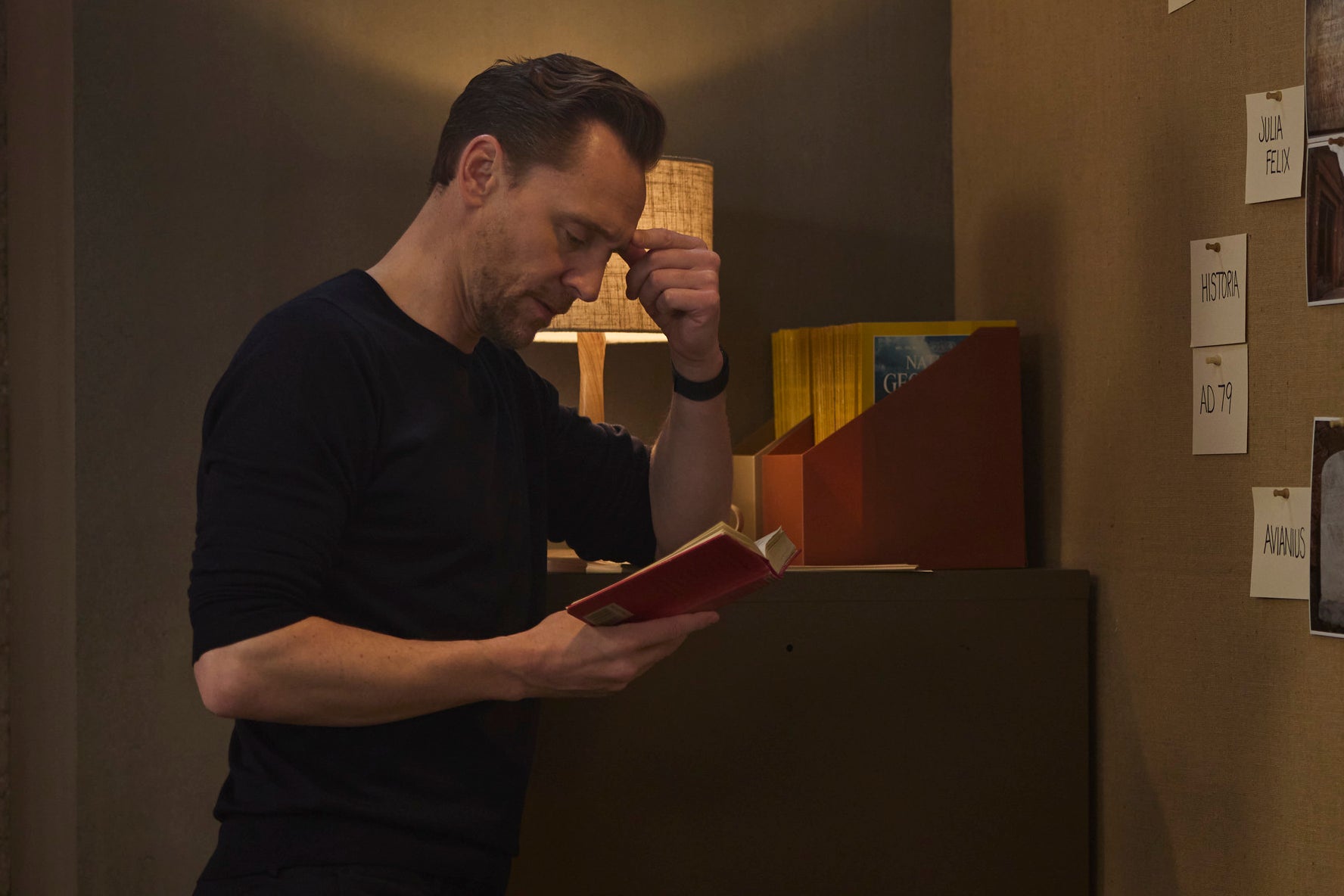
Hiddleston has long been fascinated by Pompeii, so the show’s existence isn’t inherently ludicrous. We see photographs of his first parent-less holiday, at the age of 17 in 1998, where he and two friends ventured to the area on the Interrail – a bit of background detail so hilariously uncool that it basically becomes incredibly sweet. The teenage Hiddleston found the ruins so affecting that they inspired him to study classics at Cambridge, and there are moments during Pompeii: Out of Time where he links the storytelling of history with his own work as an actor. He’s so into it all, which is admirable.
But I couldn’t help but wonder if the show is less useful as a historical deep-dive than as a reflection on Hiddleston’s fame – both now and when it was at its peak. He remains beloved by certain corners of the internet (the “Best of Hiddles” fanpage still has 140k+ followers on Instagram), but his celebrity has undeniably cooled over the last decade or so, along with most of the well-heeled Brit thespians catapulted to fame around the same time as him, among them Benedict Cumberbatch and Eddie Redmayne. The Night Manager sequel over Christmas felt like the first proper bit of acting he’d done in years and even there Hugh Laurie seemed to overshadow him in the end.
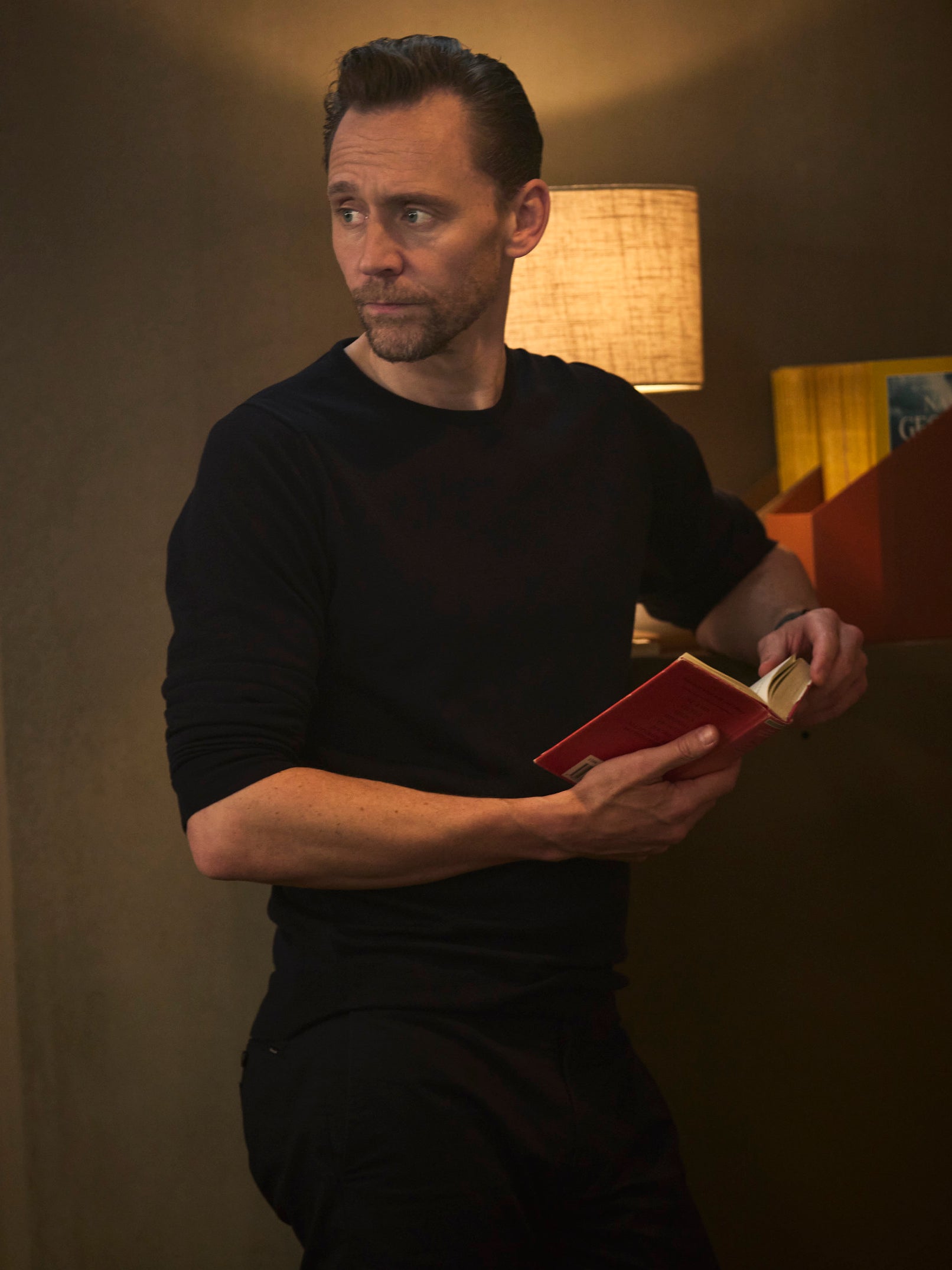
His presence in Pompeii suggests he’s just doing whatever interests him now, no longer shackled to the pressure of being pronounced one of Britain’s next big things. It also suggests that he may have always been just too cheesy for proper stardom, too wince-inducingly earnest, too – frankly – much overall. In Pompeii: Out of Time, he makes for an incredibly enthusiastic history buff and host. He treats the script like it’s Shakespeare and throws his whole body into every mortifying comic or time-travelling set piece as if it’s the funniest thing imaginable. He is so unintentionally hilarious that I had to stop myself from shrieking from embarrassment at multiple points in each of the three episodes. God love him, but I was absolutely desperate for it all to end. Which isn’t the ideal response to a show designed to make you feel terrible for all those poor Greeks and Romans blown away in a big explosion.
‘Pompeii: Out of Time with Tom Hiddleston’ is out now on Disney+ and National Geographic