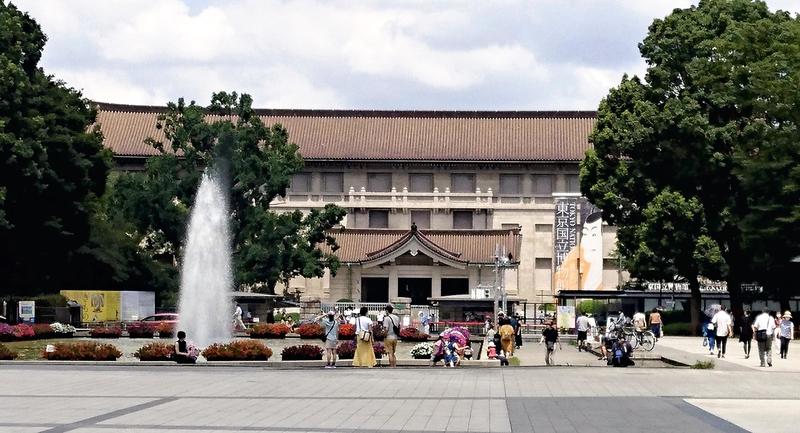
Ueno Park in Taito Ward, Tokyo, is home to many cultural facilities, including the Tokyo National Museum and the National Museum of Western Art, a World Heritage site designed by architect Le Corbusier.
How did the Ueno district, which was once devastated by fire at the time of the Meiji Restoration, become the cultural center as we know it today?
During the Edo period (1603-1868), the hilly Ueno district was part of the property of Toeizan Kaneiji temple (currently in Taito Ward's Ueno Sakuragi district), which was associated with the Tokugawa family. The temple's central hall and priests' quarters are said to have been located at the place where a fountain in Ueno Park and the Tokyo National Museum now stand.
Most of the temple buildings were destroyed by fire during the Battle of Ueno in 1868, which was fought between the Shogitai former shogunate forces, who had barricaded themselves in the temple, and the new government army.
Even after the conflagration, however, the Ueno district continued to attract interest because of its topographical advantages: If a fire broke out on the surrounding lower ground, it would not spread easily to Ueno's well-drained, upland location. It was also an area where people frequented because the temple there was known for having magnificent cherry trees.
Various plans, therefore, to use the vast, valuable land were proposed.
In 1870, a university that later became home to the education ministry demanded that Ueno be the site for a hospital and a medical school. Other ministries also hoped to use the land for their own purposes. The military ministry, for example, planned to build a cemetery for soldiers there.
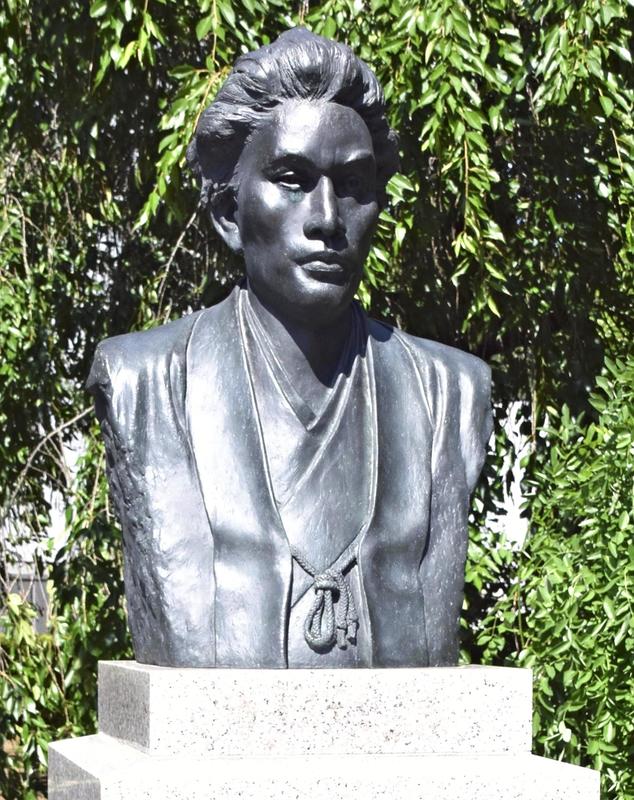
In 1873, bureaucrat Hisanari Machida of the Daijokan (grand council of state), the highest organ of the Meiji government, proposed building a museum there. Machida later became the first director of the Tokyo National Museum.
Machida, a feudal retainer of the Satsuma clan, went to England to study at the end of the Edo period. Having been impressed by museum facilities in Europe, he was committed to building a museum for the Meiji government after returning to Japan.
In 1872, Machida held an exhibition at Yushima Seido, in present-day Bunkyo Ward, Tokyo. The Tokyo National Museum was founded the same year.
Machida is believed to have thought Ueno was an ideal location for the museum because any permanent facility needed to be built in a safe and convenient place for the exhibition and preservation of cultural properties.
Although his proposal to construct the museum there was rejected, Machida appealed directly to the education ministry and held repeated negotiations with the government.
According to "The 100 year history of the Tokyo National Museum," Machida strongly believed Ueno was the only place suitable for the museum.
Interior secretary Toshimichi Okubo, who was making efforts to encourage new industry development, also hoped to build a museum.
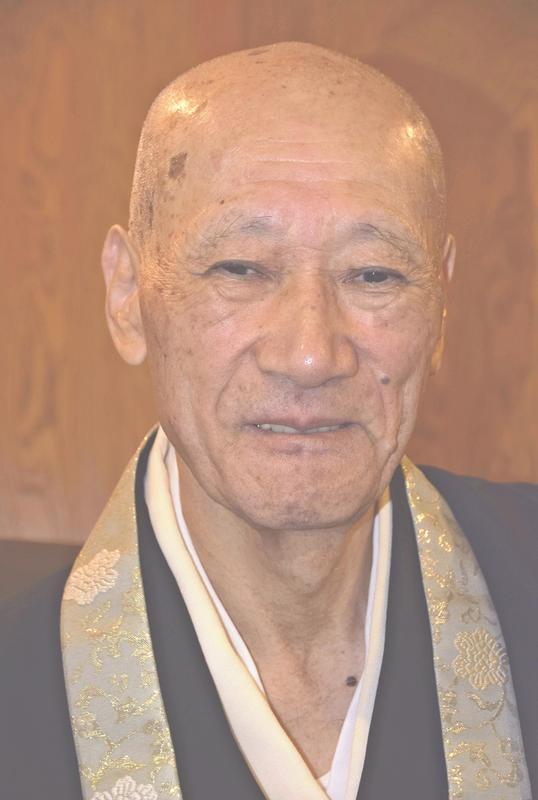
Shomyo Urai, 83, the chief priest of Kaneiji temple and author of a book on the history of Ueno Park, said, "Okubo, who also visited abroad, used Ueno, a special area for the Tokugawa family, as a place to show the world that Japan was born again as a modern nation."
Okubo transferred the department in charge of the museum to the interior ministry, which had jurisdiction over the Ueno district.
Machida also made efforts to establish Ueno Park, which opened in 1876.
The national industrial exposition held the following year near the site of Kaneiji temple led to the opening of the Tokyo National Museum.
A building constructed at the site of the temple's priests' quarters opened as the museum in 1882. Ueno Zoo also opened that year as an adjunct facility.
In 1959, the National Museum of Western Art was established in Ueno, where oriental art was of central significance. Akiko Mabuchi, 73, director general of the museum, said the entity gave Ueno Park an international flavor and changed the image of the park.
With ongoing construction to connect JR Ueno Station ticket gates to the park, the area is still changing.
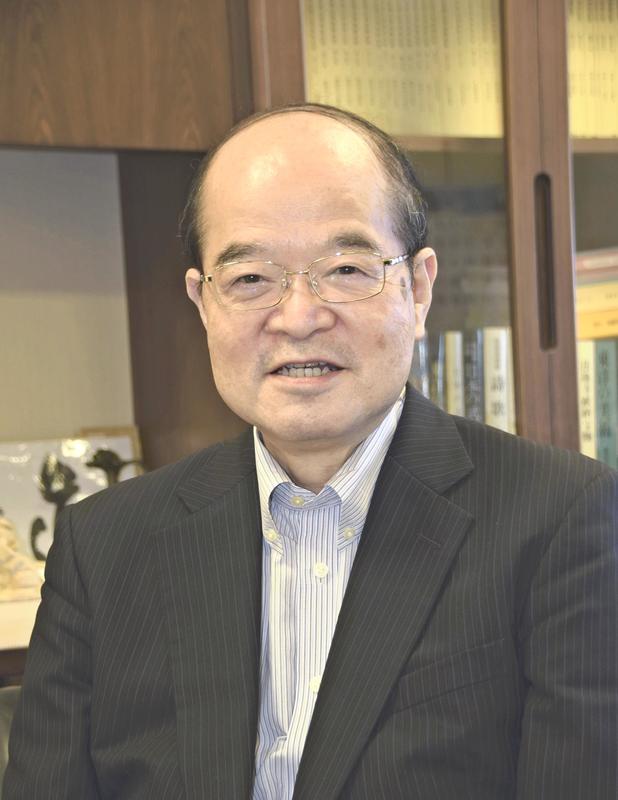
"I want to further spread the message that a wide range of Japan's cultural activities are being conducted in the Ueno area," Tokyo National Museum Executive Director Masami Zeniya, 71, said.
Read more from The Japan News at https://japannews.yomiuri.co.jp/