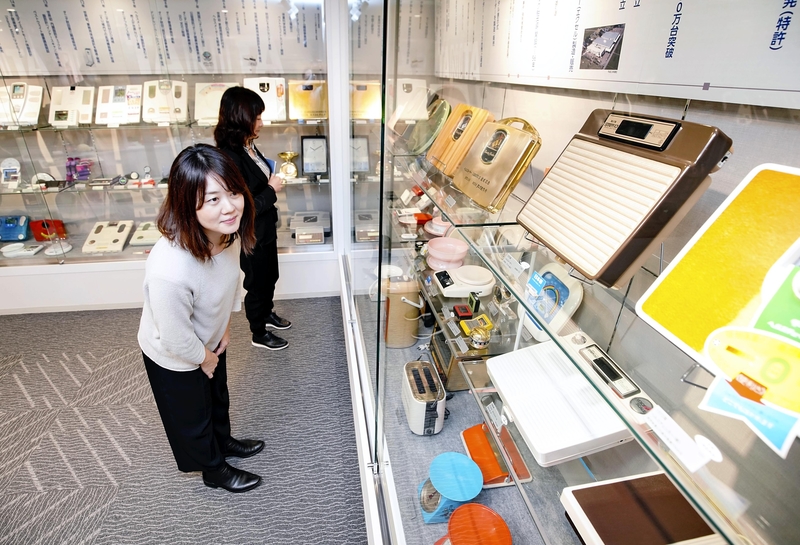
Bathroom scales are used widely as an important tool that helps people monitor their health. Current models can display a person's health status within a few seconds, providing such information as body age and basal metabolic rate.
I visited the Tanita Museum at the head office of health equipment manufacturer Tanita Corp. to learn more about how the technology has developed over the years.
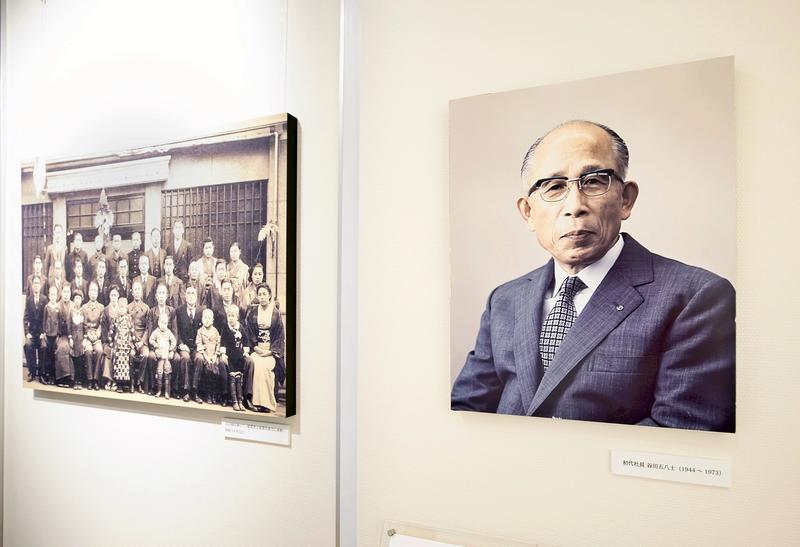
Iwaji Tanida established Tanita in 1944, and the company started manufacturing scales in 1959. When experts highlighted the importance of body fat as a health index in the mid-1980s, Tanita used research involving sumo wrestlers and bodybuilders, as well as information from external experts, to develop a way to calculate body fat.
In 1994, the company released the world's first home body-fat measuring scales, which work by passing a weak electrical current through the body. In 2003, the company also launched a body composition monitor that shows muscle mass, visceral fat level and basal metabolic rate.
"The need for information about the body has increased, along with the growing importance of health consciousness," said Hiroko Yokota, manager of Tanita's public relations section.
It was interesting to see how the designs of bathroom scales reflected the aesthetic of the eras in which they were manufactured.
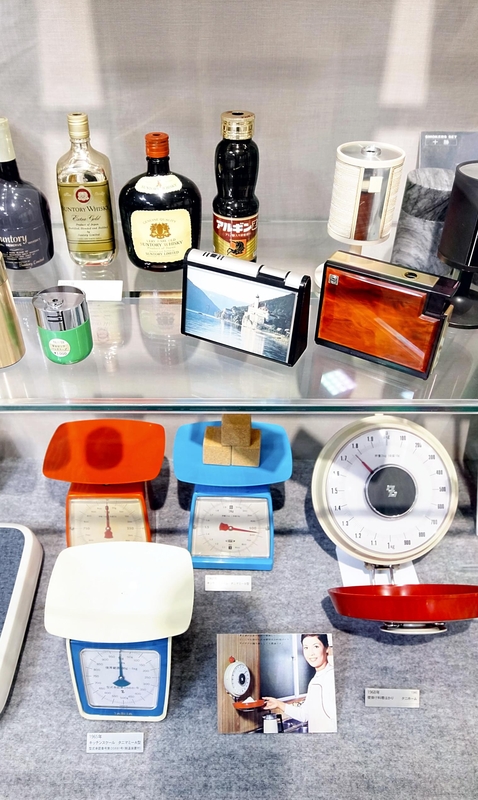
When bathroom scales first appeared, black and gray models were most common, but from the 1970s to the 1980s, models featuring wood grain and marble-like finishes were introduced. Since the 1990s, simple colors such as white and silver have become increasingly common, as interest in interior design became more widespread.
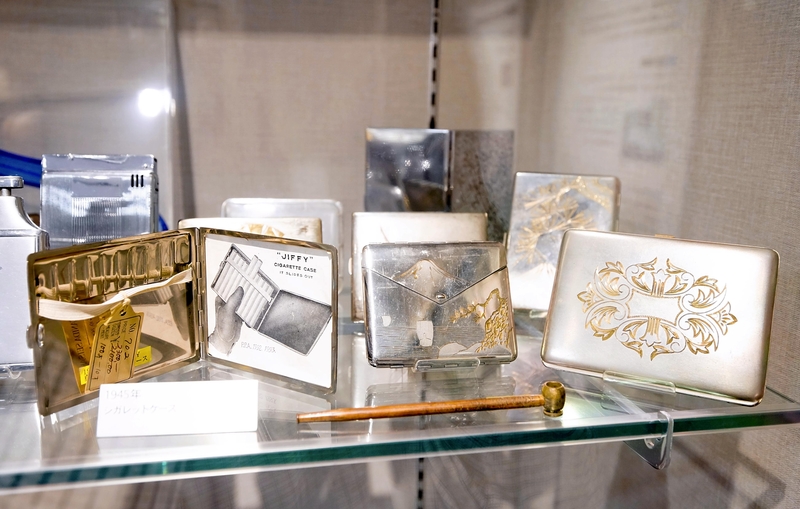
Visitors at the museum tend to focus on the scales, but there are many other kinds of items in the one-floor exhibition room. Tanita has also manufactured kitchen products such as toasters and cooking scales, as well as cigarette cases, some of which are on display. Products released until around the 1980s feature vivid colors that remind me of the Showa era (1926-1989).
But the most interesting thing for me was Yokota's employee ID card, which featured an LCD display showing the number of steps taken and total calories burned.
The palm-sized device is symbolic of the company's stance of striving to stay ahead of the times.
(The museum is closed due to the coronavirus outbreak. Please check the website for more information:
https://www.tanita.co.jp/company/museum.html)
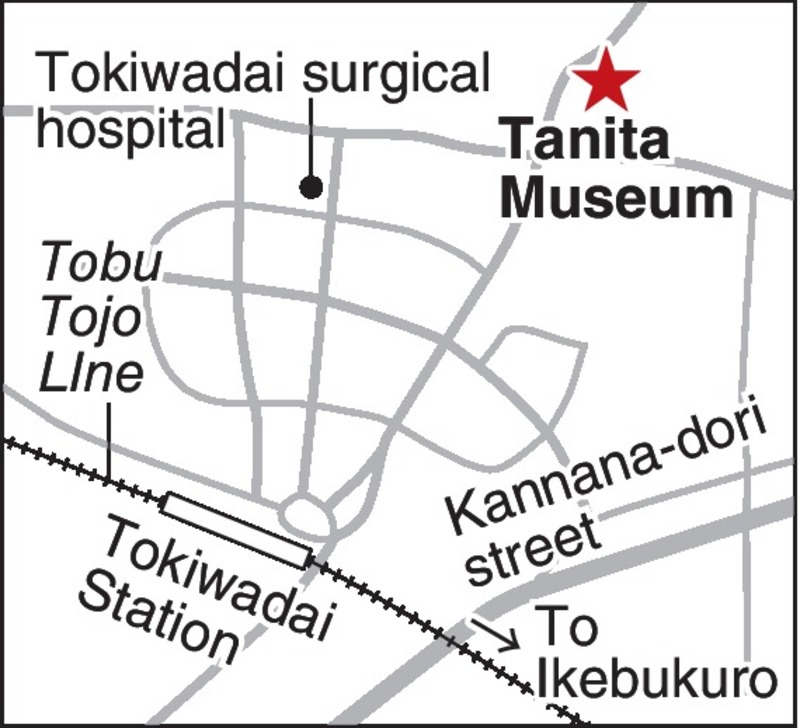
Tanita Museum:1-14-2, Maenocho, Itabashi Ward, Tokyo
Read more from The Japan News at https://japannews.yomiuri.co.jp/