Tokyo University of the Arts, popularly known as Geidai, has established a fund to help young artists present their work amid the novel coronavirus pandemic, which had led to the cancellation or postponement of many concerts and exhibitions.
Located in Taito Ward, the university is looking for "new ways to appreciate art" through the fund, such as presenting art festivals online to reduce contact between people.
The "young artists support fund" targets current Geidai students and graduates aged 40 or younger who are pursuing artistic activities with an unstable income. The university is contributing 100 million yen to the fund, which also aims to collect 70 million yen from corporate sponsorship and other sources, and 50 million yen from crowdfunding.
An online Geidai art festival sponsored by the fund is scheduled to take place around September, with exhibitions and concerts to be held in cyberspace. Exhibitors and performers will be recruited from among Geidai students and graduates, and prize money will be awarded to those who excel.
Geidai also plans to provide students or graduates who organize a group exhibition or recital with 100,000 yen per person, and to develop web content that connects young artists with people who want to hire them or buy their work.
On Aug. 2, violinist and university president Kazuki Sawa and singer/songwriter Masashi Sada among others will give concerts at the university's concert hall. Supporters of the fund will be invited to concerts or given video viewing rights based on the amount of money they donate to the crowdfunding, which will run through the end of July.
-- Voices from artists
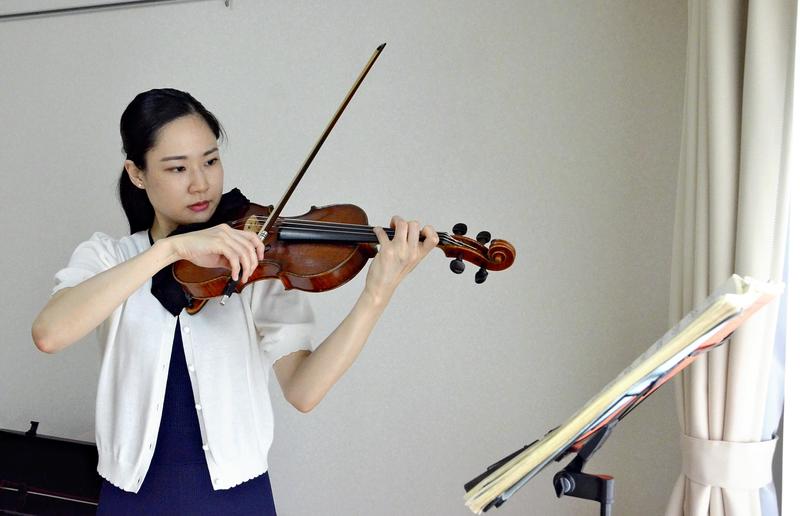
These efforts by Geidai have excited young artists in various fields who have lost opportunities to present their works due to the outbreak. "Concerts have been canceled one after another, and I haven't gotten any new offers yet," said Geidai graduate and violinist Kako Yamada, 26.
Before the infection spread, Yamada made a living performing with orchestras and giving solo concerts. However, a series of events scheduled for March onward were all canceled. She received cancellation fees for some of the concerts but lost almost all her income.
In June, after the state of emergency was lifted, Yamada appeared in an online live concert without an audience, her first performance in about 3-1/2 months. However, she still does not know when she can resume her activities in earnest.
"As long as there are new opportunities, such as online concerts presented by Geidai, I'd like to participate," Yamada said.
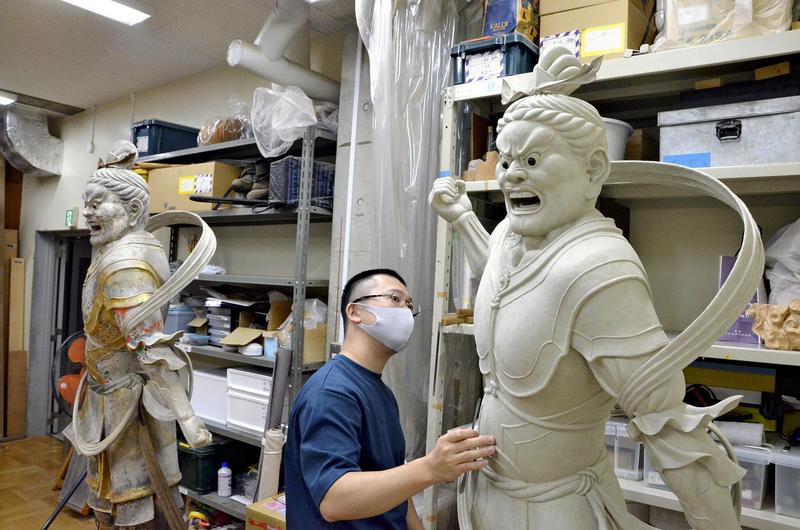
Sculptor Yushi Shigematsu, a Geidai graduate who specializes in restoring Buddhist statues, is studying sculpture techniques of the Nara period (8th century) by reproducing a national treasure at Todaiji temple called "the standing statue of Shukongo-jin in Hokke-do hall."
Shigematsu, 34, was scheduled to present the results of his research at an exhibition held by his laboratory in June, but the event was canceled due to the outbreak. Instead, he posted an explanatory video on a website run by his lab. However, he lamented, "I couldn't get people outside of the university to directly see my work, so I lost a valuable opportunity to build a network that would have led me to finding a job."
Shigematsu was going to become a part-time employee of the university from April, earning income from restoring Buddha statues. However, he had to stop working on campus, as the university limited access due to the pandemic. Shigematsu is currently drawing on his savings.
"I hope I can spread my work to society by joining in the Geidai project," he said.
Read more from The Japan News at https://japannews.yomiuri.co.jp/