Efforts are continuing to ensure smooth vehicular traffic on roads during the Tokyo Olympics and Paralympics, even as the Games have been postponed until next summer and the simplification of the event is being considered.
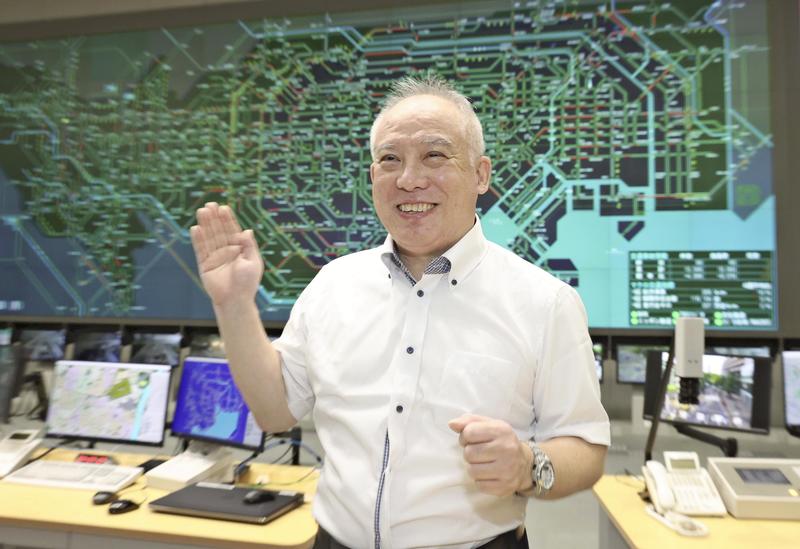
At 8 a.m. Monday, a large screen at the Metropolitan Police Department's traffic control center in Shimbashi, Tokyo, showed red signs all over major roads, indicating the morning rush hour had started.
If the Tokyo Olympics and Paralympics had started as scheduled, it would have been the first weekday after the opening of the Games.
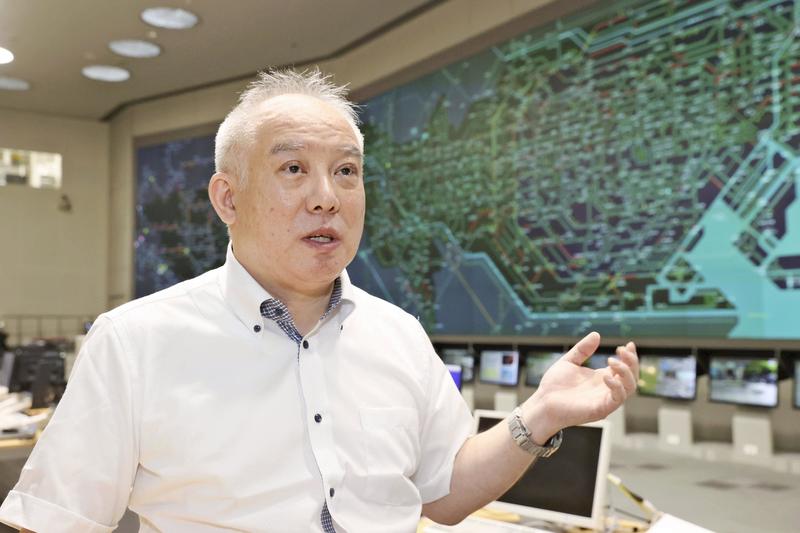
"Just about this time, many of the athletes and other participants' vehicles would have left for the stadiums. They would have been driving on roads where there were less cars due to traffic restrictions," said Kazuhide Takizawa, 57, deputy councilor of the police.
Takizawa has been in charge of traffic control since he joined the MPD in 1985. The computer system he uses gathers information on congestion from sensors set up on roads, and based on that information it controls about 16,000 traffic lights to ensure smooth traffic.
The police has improved the system since it was decided in 2013 that the capital would host the Olympics and Paralympics. Specifically, they increased the number of locations where sensors were installed to indicate congestion and increased the processing speed.
Last summer, the MPD conducted a test to reduce traffic volume by restricting traffic on the Metropolitan Expressway.
The government is considering simplifying the Tokyo Games through such means as reducing the number of spectators. These efforts may affect traffic volume.
"Whatever the outcome, we will support the success of the Olympics without disrupting the flow of cars." Takizawa said.
Read more from The Japan News at https://japannews.yomiuri.co.jp/