The old-fashioned atmosphere of shitamachi (traditional commercial and residential districts) remains in many parts of "Yanesen," a district in Bunkyo and Taito Wards, Tokyo, whose name is formed the first characters of the neighborhoods of Yanaka, Nezu and Sendagi. Riding the Tokyo Metro Chiyoda Line is a good way to experience Yanesen's mixture of sacred and secular charms.
Just two stations north of Otemachi, one of the capital's busiest business districts, is Yushima Station. It's a four-minute train ride or a 30-minute walk, during which you can immerse yourself in a completely different atmosphere.
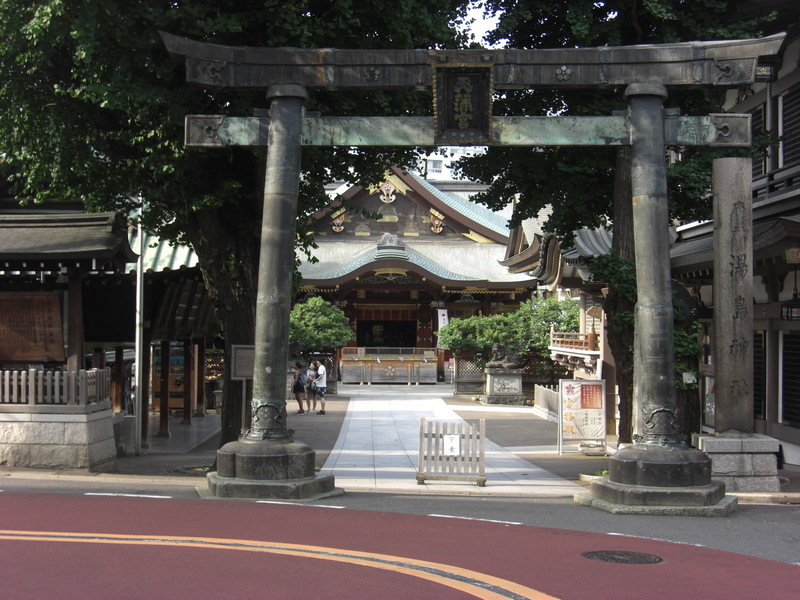
You will soon find Yushima Tenmangu Shrine. It enshrines Sugawara no Michizane, a ninth-century scholar and government official who became deified as the god of learning.
Tenmangu shrines can be found all over the country, including in Kyoto and Fukuoka. In Japan, where the school year begins in April, winter is the entrance examination season. In the New Year season and afterwards, many students and their parents form a long line in front of Yushima Tenmangu to pray for success in the exams. In February and March, plum trees at the shrine blossom in white and red. Once a month at Yushima Tenmangu, you can enjoy kodan storytelling by living national treasure Ichiryusai Teisui.
Near the approach to the shrine, there are Japanese restaurants and izakaya pubs that have entertained generations of shrine-goers.
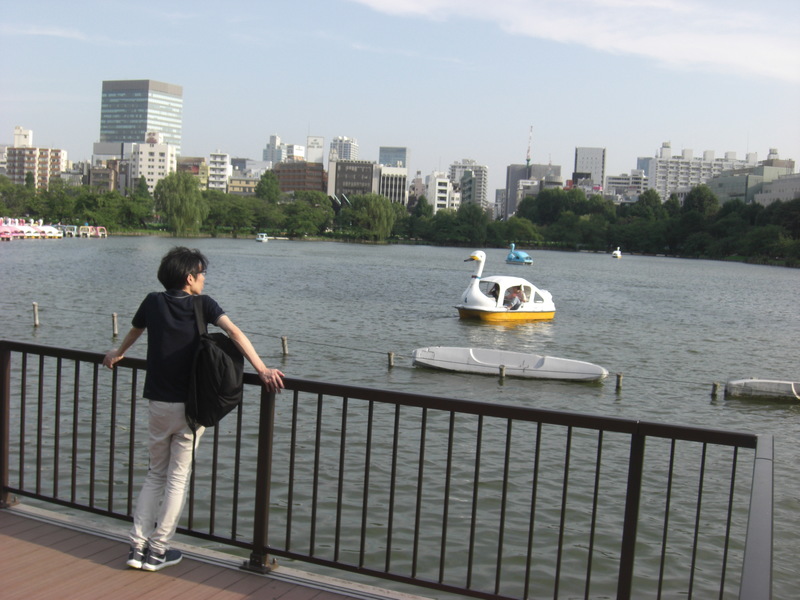
From Yushima, it is a five-minute walk to Ueno Park. In Shinobazu Pond inside the park, lotus flowers, which are said to decorate the Buddhist Conception of heaven, are in full bloom in mid-summer, covering the surface of the pond. On the bank of the pond, you may see old men practicing gymnastics on iron bars, people enjoying snacks and drinks at stalls, and people browsing at an antique market that is held a few times a year.
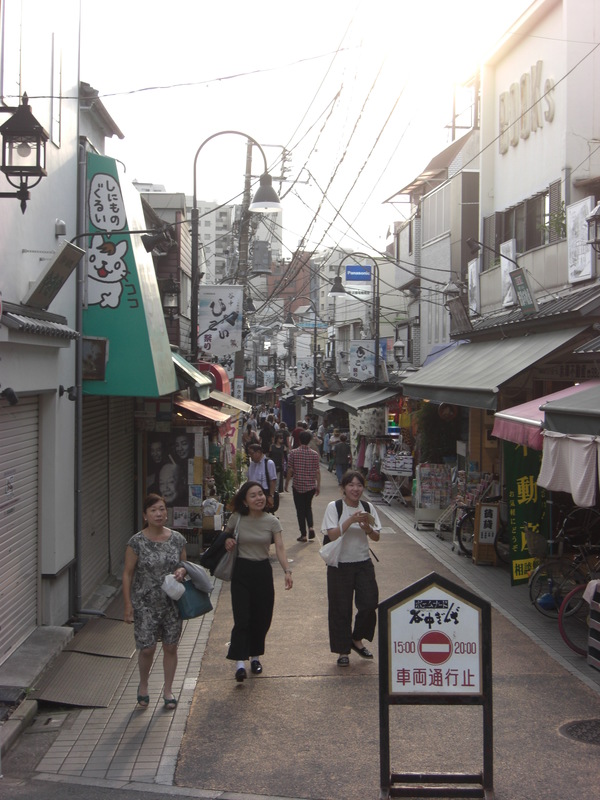
Plenty of shops to have a bite or take a break
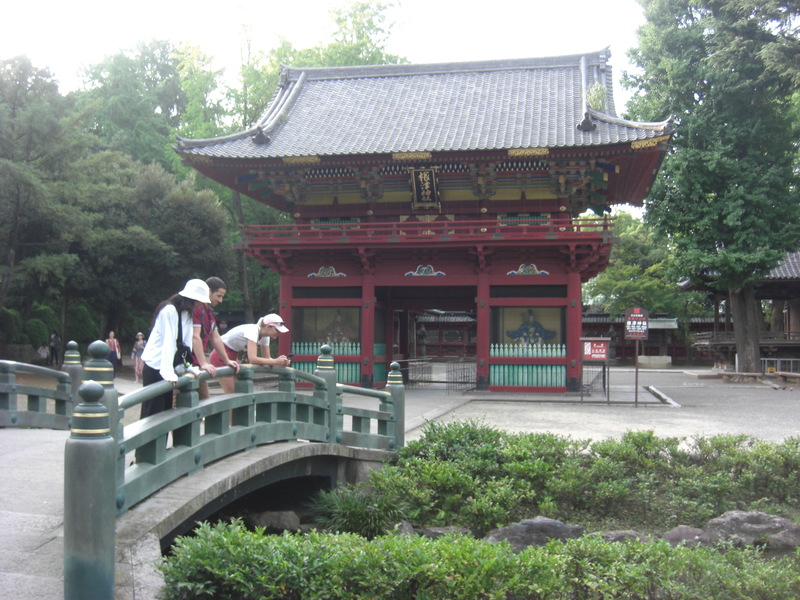
Nezu Station is one stop north of Yushima Station. Nearby Nezu Shrine is famous for its spring camellias and its Thousand Torii red gates. When you get a bit hungry after worshiping at the shrine, there are plenty of shops that sell taiyaki (fish-shaped cakes filled with anko bean paste), senbei and okaki rice crackers, and other traditional Japanese sweets, as well as a tart shop called Shiomi that is open only on weekends.
Heading east from Nezu Station for about 10 minutes on foot, you reach Ueno Sakuragi Atari, a set of shops in a renovated 80-year-old wooden house. They include a bakery, a beer pub and even a salt and olive oil shop. Atari is surrounded by a number of temples, symbolizing the coexistence of sacred and secular elements in the district.
The Hongo campus of the University of Tokyo is found to the west of Nezu Station. It's a student town, so there are many cheap and delicious eateries, including inside the campus, where visitors are also allowed to dine. The area is famous for ramen shops, such as Nishino and Kamise, that serve noodles in soups of various flavors.
If you get a little tired, take a rest at one of the neighborhood's public baths, such as Rokuryu-kosen. However, if you plan to soak for a long time, be aware that you may find the temperature of the bathwater unexpectedly high by Tokyo standards.
The Yanaka district extends around Sendagi Station. Yanaka Ginza avenue is a bustling old-fashioned shopping street, and also a good place to enjoy a beautiful sunset.
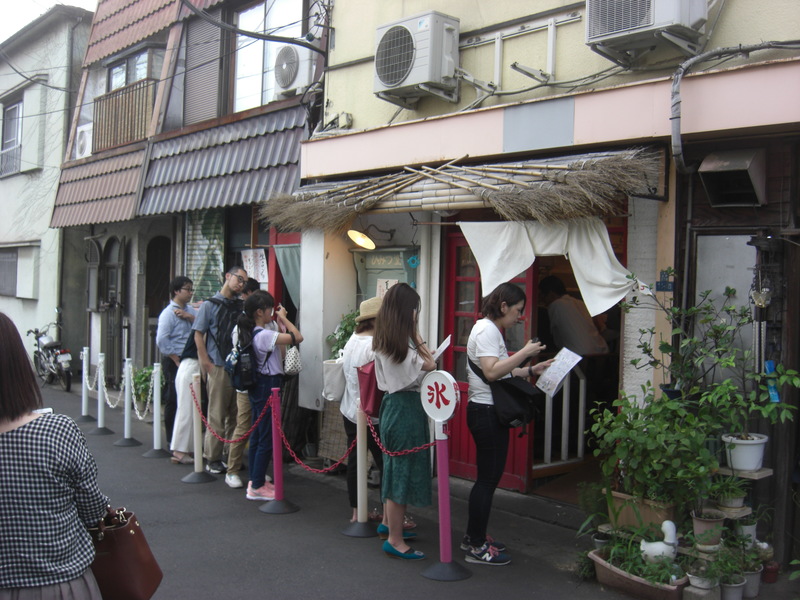
There is a shaved ice specialty store called Himitsudo just off Yanaka Ginza. There is always a line, even in winter, so you won't miss it.
When it gets dark, you can easily find an izakaya pub to suit your taste, where you can drink delicious sake to end your day in the district on a relaxed note.
Read more from The Japan News at https://japannews.yomiuri.co.jp/