The 46th Tokyo Motor Show starts at Tokyo Big Sight in Koto Ward, Tokyo, on Thursday, a "festival of cars" held every two years by about 180 companies and organizations.
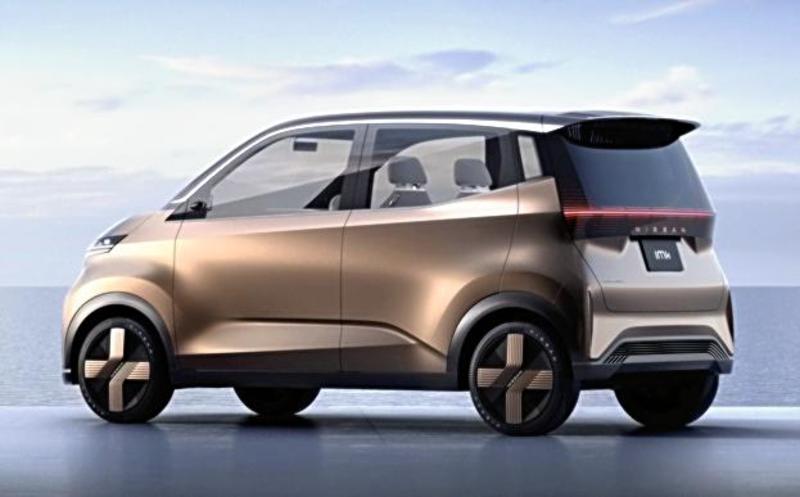
Manufacturers will showcase the latest technologies in such next-generation fields as electric vehicles and self-driving cars. Nissan Motor Co., which is leading the EV market, will unveil its Nissan IMk mini-EV for the first time. In addition to expressways, its driving support functions can be used on major arterial roads.
The IMk also has a "connected car" virtual-reality function that projects the avatar of a person in another area into the IMk so a conversation can be held.
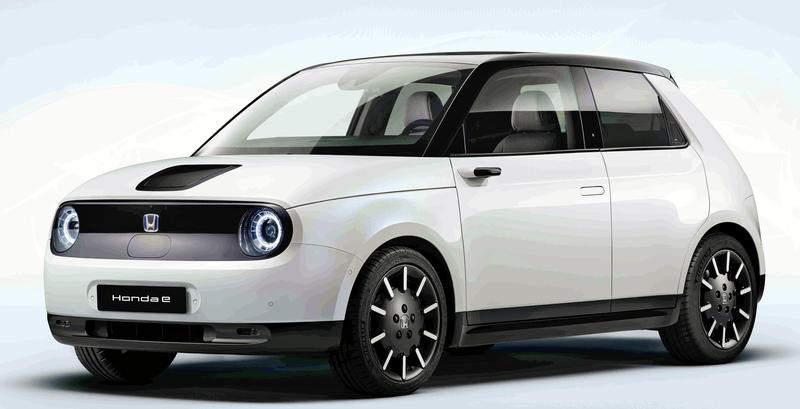
The futuristic Honda e, a small EV to be shown by Honda Motor Co., is likely to attract attention as a mass-production model to be released next year. Its instrument panel is equipped with a large two-screen touch-sensitive monitor, and uses a "camera mirror system" that replaces the side mirrors with cameras.
Mazda Motor Corp. will present the world debut of its first mass-produced EV.
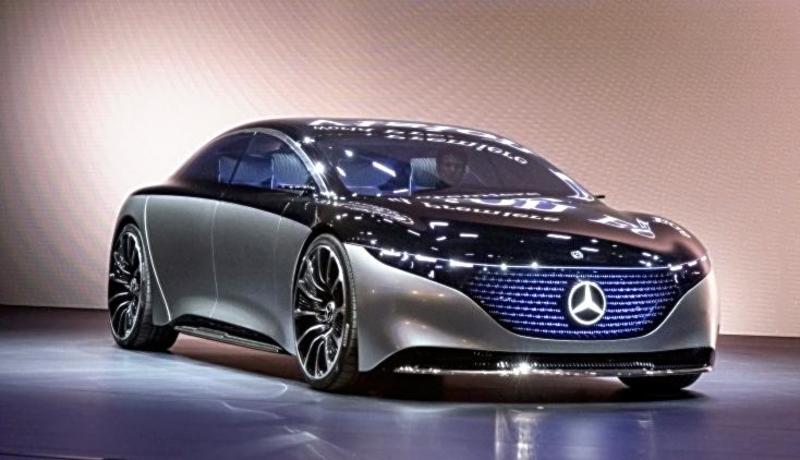
Mitsubishi Motors Corp. will also exhibit a prototype four-wheel-drive SUV that uses a lightweight, downsized plug-in hybrid system. The Mercedes-Benz booth will feature the Vision EQS prototype of the EQ series.
No driver's seat
It is also interesting to see how each company has tried to commercialize self-driving cars, which are expected to change the way cars are used.
Toyota Motor Corp. will exhibit the self-driving electric vehicle called e-Palette, to be used as a bus in the Olympic Village for the Tokyo Olympics and Paralympics next year. The aim is to create vehicles that can be used not only for transporting people, but also for multipurpose services such as mobile sales and distribution.
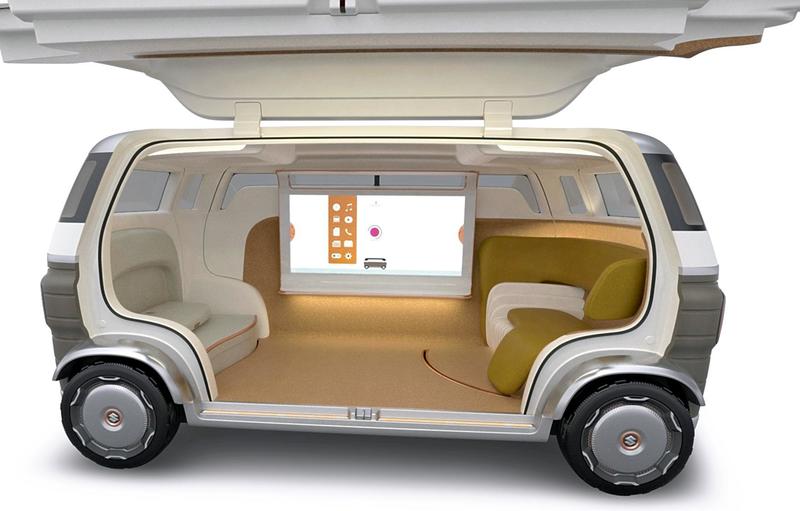
Suzuki Motor Corp.'s HANARE has a cozy interior space, and there is no driver's seat. It will present the possibility of moving to a destination automatically while the passengers relax.
Daihatsu Motor Co. will unveil the IcoIco, a small self-driving vehicle for public transportation. It can even operate on narrow streets, and is meant to be a vehicle easily used for shopping and other nearby trips.
In addition to unveiling new vehicle models and prototypes, the Tokyo Motor Show aims to be a theme park where visitors can experience their future lives.
Symbolic of this is the Future Expo area where companies other than automakers are gathered, such as electronics manufacturers, telecommunications companies and service companies. About 60 companies, including Nippon Telegraph and Telephone Corp., Panasonic Corp. and NEC Corp., will exhibit products showcasing their latest technologies.
NEC Corp. plans to set up a shop where customers can buy things using facial recognition technology, as well as to show a prototype of a "flying car."
At the NTT booth, visitors will be able to watch sports events as if they were in the stadium, using the latest video communication technology.
There will also be a section where people can experience what it's like to design cars and work on a production line, set up in cooperation with KidZania, an operator of role-playing facilities that let children try out different jobs.
"In the past, there were many people who wanted to buy a car, and the manufacturers just put out new cars. This time, I want people to not only look, but to enjoy the future," said Akio Toyoda, chairman of the Japan Automobile Manufacturers Association (President of Toyota Motor Corporation), which will host the event.
Organizers are aiming for 1 million attendants, up from the previous show's 770,000.
Read more from The Japan News at https://japannews.yomiuri.co.jp/