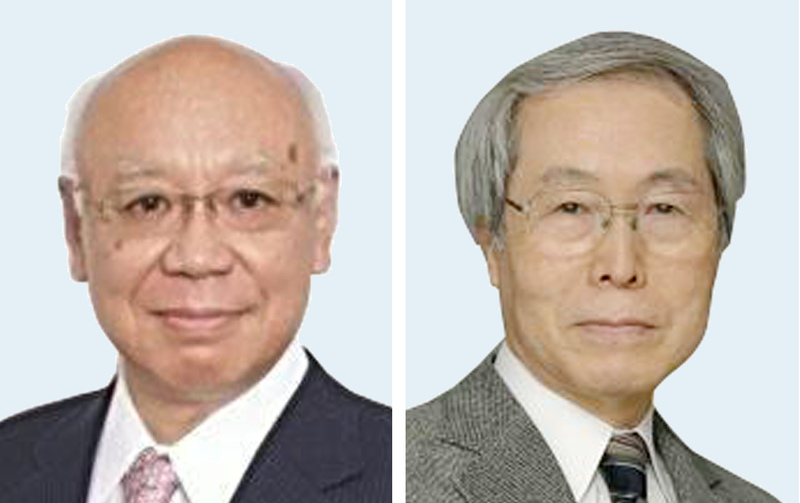
A former head of Tokyo Medical University, which came under fire over the manipulation of entrance examination scores in 2018, was found to have failed to declare a total of about 100 million yen in income over five years through that year, The Yomiuri Shimbun has learned.
The Tokyo Regional Taxation Bureau found that the 79-year-old former university chairman, Masahiko Usui, failed to report money that he personally received as rewards from people such as parents of students who asked him to make favorable arrangements for their children regarding entrance examinations for the university's medical department, sources said. The rewards include money linked to students who were granted irregular "backdoor admissions" by having their scores inflated, the sources also said.
In August 2018, the university's internal investigation committee concluded that Usui had led a series of entrance exam irregularities. The committee mentioned the existence of the rewards, but the amount of the money was unknown at that time.
According to the sources, during a probe launched after the scandal came to light, the taxation bureau found letters to Usui and others, such as from parents of entrance examinees, as well as notes containing the names of certain entrance exam takers, their examinee numbers and information about those who introduced the examinees. After asking Usui and others to explain these matters, the bureau found that Usui had received about 20 million yen per year from parents of examinees before and after the university's entrance examinations during a five-year period through 2018, according to the sources.
The taxation bureau also found that the university's former President Mamoru Suzuki, 71, had received similar rewards and failed to declare several million yen over four years through 2018, the sources said.
According to a report by the university's third-party panel, scores were irregularly padded for a total of about 60 examinees over the five years through 2018. Most of the examinees were children of the university's alumni. The bureau believes that the rewards include those linked to applicants who passed the entrance exams after their scores were manipulated.
Usui and Suzuki both reported their remuneration from the university and other income to the taxation bureau, but did not make any reports on such rewards, the sources said. Usui faces an additional tax of about 40 million yen for underreporting his income, while Suzuki has to pay several million yen in back taxes. The two are believed to have already revised their tax declarations.
Usui did not respond to a written request for comment, while a lawyer for Suzuki said, "Mr. Suzuki has no intention to respond to any questions."
Usui became president of the university in 2008 and assumed the post of chairman in 2013. Suzuki began serving as president in 2014. In July 2018, both Usui and Suzuki resigned to take responsibility for a corruption scandal involving an Education, Culture, Sports, Science and Technology Ministry project to support private universities. They were indicted on charges of bribing the then director general of the ministry, who was also indicted for taking the bribes.
Read more from The Japan News at https://japannews.yomiuri.co.jp/