Each time a large-scale disaster occurs, the importance of daily precautions comes to the forefront. Although memories tend to fade over time, Shinagawa Disaster Prevention Experience Center has been designed as a place where members of the public can gain knowledge about disaster preparedness while also having a good time.
"Self-help, mutual-help and public-help" are the basics of disaster preparedness measures. Shinagawa Ward, Tokyo, renovated an area of the second floor of its No. 2 ward office building and opened it exactly five years after the Great East Japan Earthquake of 2011 as a facility to convey this philosophy.
The exhibition was designed for local elementary and junior high school students and used in the past to teach them about disaster preparedness as part of social studies field trips. Now, it includes material in English, Chinese and Korean.
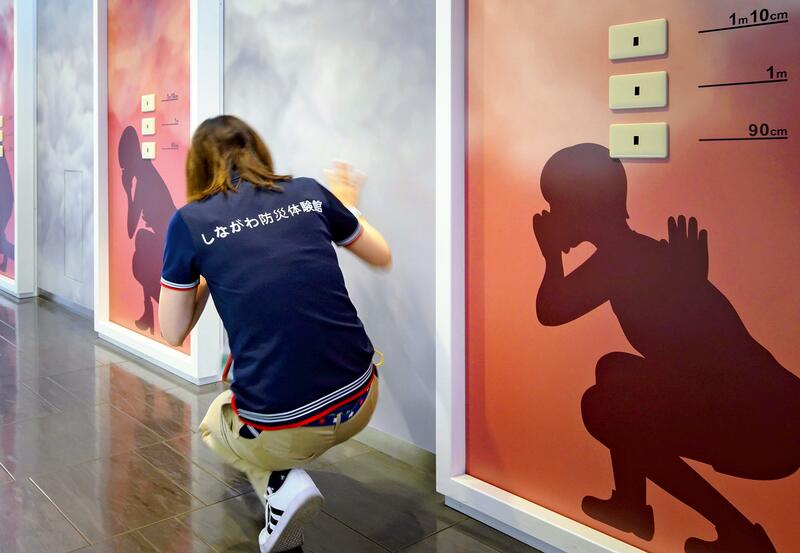
Visitors can watch, listen to and touch some of the displays to experience a variety of situations.
The initial firefighting experience was very realistic.
I sprayed water at once from a standpipe connected to a fire hydrant against a wall showing a video of flames.
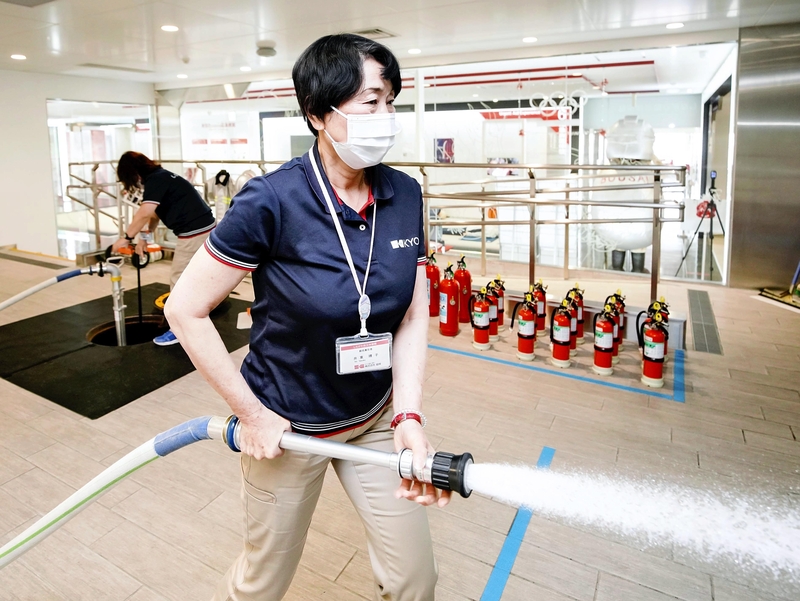
A staffer explained how to open a manhole and connect a hose. I could feel the weight of the large amount of water that shot through the hose in the blink of an eye. The water pressure made the hose impossible to handle without bending my knees and getting low.
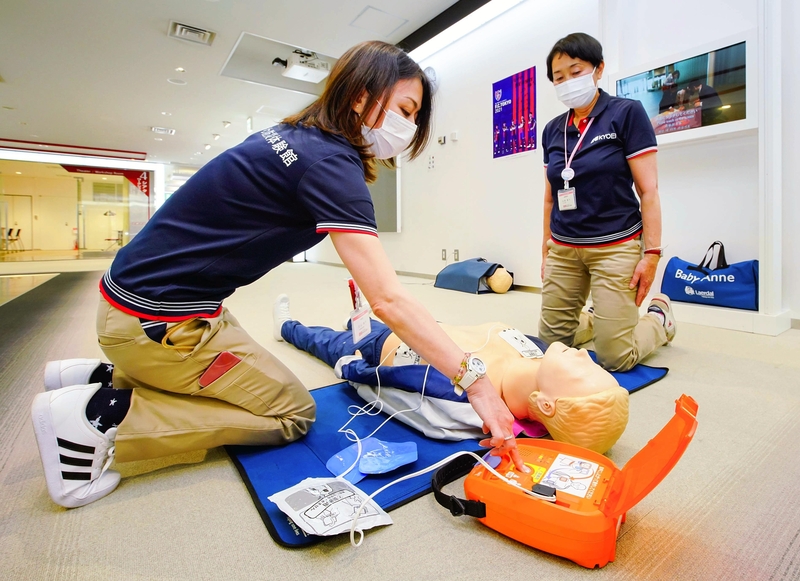
In the first aid area, I learned how to use the AED on a dummy stretched out on its back. Although it was a training AED, the automated voice and the electrode pads on the right side of the chest and left side of the dummy were lifelike.
I was instructed to move away from the doll, and I learned how to stay out of the way until the electric shock is delivered. I then performed CPR by pushing the sternum vertically about 5 centimeters with the palms of my two stacked hands. This method is called chest compressions and must be continued at a rate of 100 times per minute.
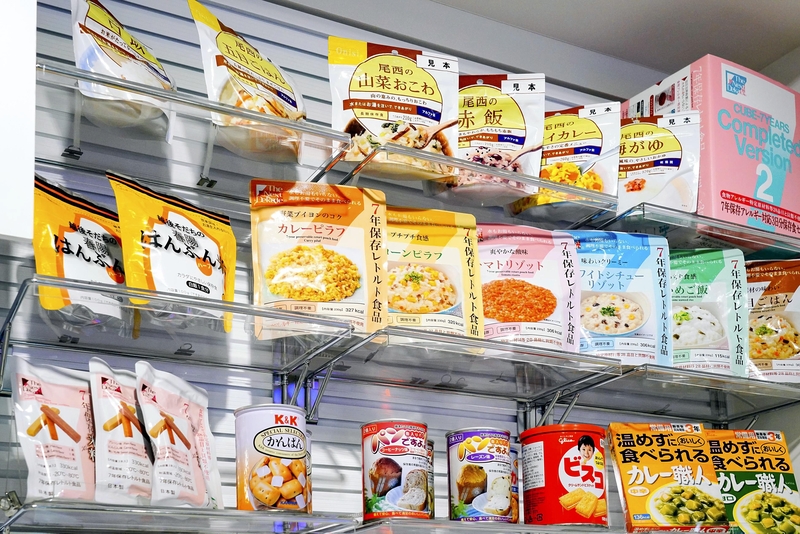
You can also learn how to evacuate from burning and smoke-filled rooms, and how to guide the elderly as well as wheelchair-bound disabled persons. Stockpiles of food and other items needed in times of disaster are also on display.
Yasuko Ito, the director of the center, urges everyone to be prepared, saying, "Earthquakes cannot be prevented, so it is important to act on a daily basis."
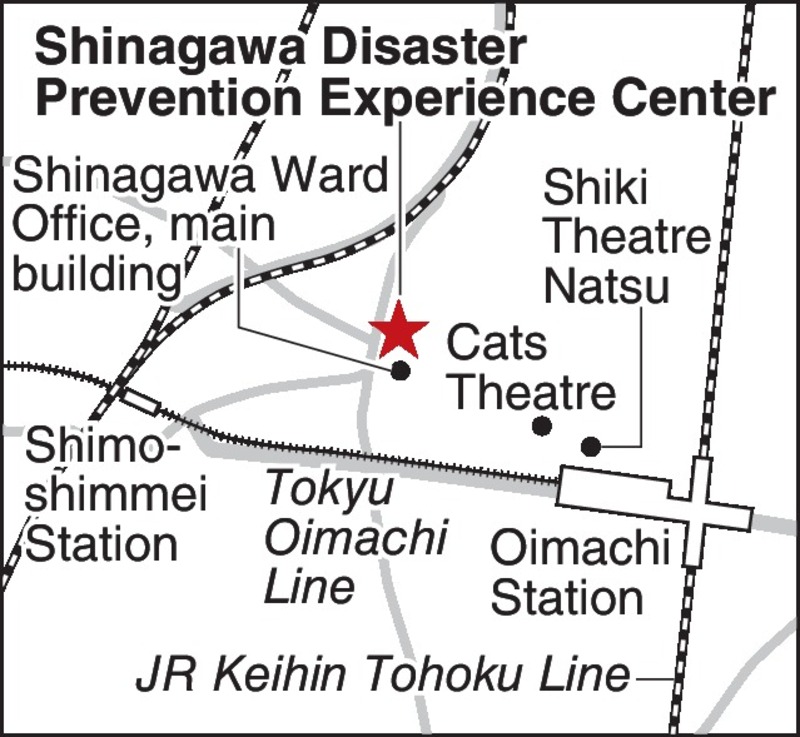
Shinagawa Disaster Prevention Experience Center: 2nd floor, Shinagawa Ward Office No. 2 Building, 2-1-36, Hiromachi, Shinagawa Ward, Tokyo
Read more from The Japan News at https://japannews.yomiuri.co.jp/