The Tokyo metropolitan government put seven new criteria to monitor and evaluate the status of novel coronavirus infections into effect Wednesday, in preparation for a second wave of outbreak.
The numbers involved with new criteria are not tied to specific actions, unlike the previous criteria, in which numbers below a certain point allowed the lifting of the Tokyo Alert warning on June 11, and numbers over a certain point triggered the metropolitan government to request that businesses and other entities suspend operations. Going forward, the metropolitan government will base its decisions on the opinions of experts.
The new criteria, which the metropolitan government complied Tuesday, are divided into two categories: "status of infection" and "preparedness of the medical system."
Three of the new criteria fall under the category status of infection: the number of newly confirmed infections, the number of calls to the Tokyo Fire Department's emergency consultation center from people complaining of a fever or other symptoms, and the number and rate of increase of patients with unknown infection paths among those who test positive.
Under the preparedness of the medical system category, are the remaining four criteria: the rate in which PCR and antigen tests are positive, the number of cases with difficult-to-transport emergency patients (mainly those turned away by medical institutions), the number of hospitalized patients and the number of critically ill patients.
Three of the criteria: consultations with the Tokyo Fire Department, patients with untraced contact points, and the transport of emergency patients, have been revised from the previous ones involved with the seven that triggered of the Tokyo Alert.
The weekly average figures of the first five criteria -- excluding the number of patients hospitalized or seriously ill -- are used as reference material by the Tokyo government.
The metropolitan government, as a general rule, plans to hold a "monitoring conference" once a week at which it will hear opinions from doctors and specialists in infectious diseases, to evaluate the status of novel coronavirus infections in the capital.
If the Tokyo government decides that signs of a rapid spread of infections are being detected, it will once again urge local residents to refrain from going out. The Tokyo Alert system will no longer be used.
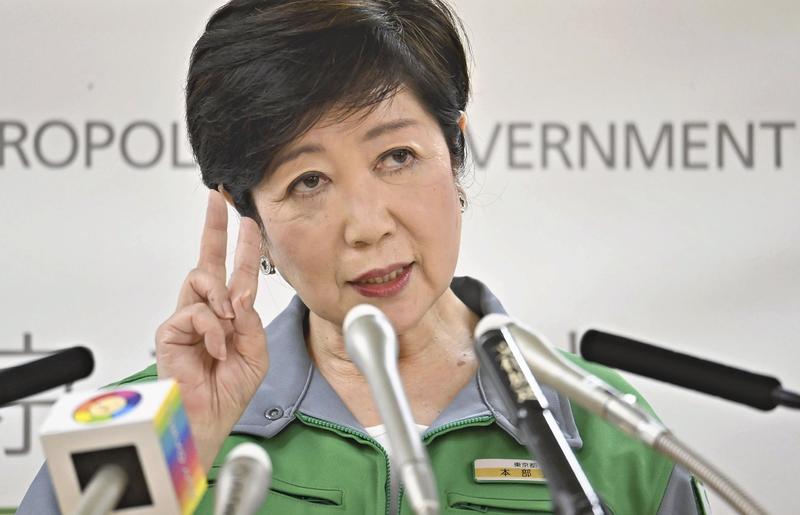
"At present, we have a well-developed infection testing system in place, and an adequate medical care delivery system has been secured. We will simultaneously strive to prevent the spread of infection and promote economic and social activities while keeping an eye on future trends," Tokyo Gov. Yuriko Koike said at a press conference held on Tuesday night.
Koike also said she has asked medical institutions to prepare to increase the number of beds reserved for COVID-19 patients from the current 1,000 to 3,000.
Read more from The Japan News at https://japannews.yomiuri.co.jp/