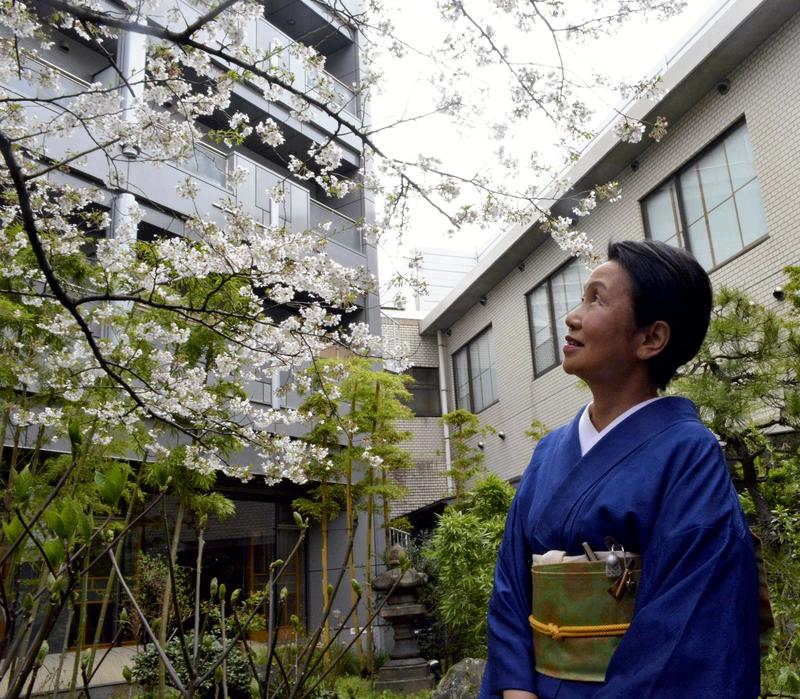
A hotel in Taito Ward, Tokyo, that is associated with literary legend Ogai Mori (1862-1922) has decided to close its operations in May, mainly because of the loss of business amid the ongoing coronavirus pandemic.
Suigetsu Hotel Ogaiso has been loved by literary fans as it houses Mori's former residence, which consists of a wooden building and a garden. However, it saw a nosedive in the number of guests in March because of the outbreak.
"We had to make a tough decision," said Misako Nakamura, the 63-year-old landlady of the hotel.
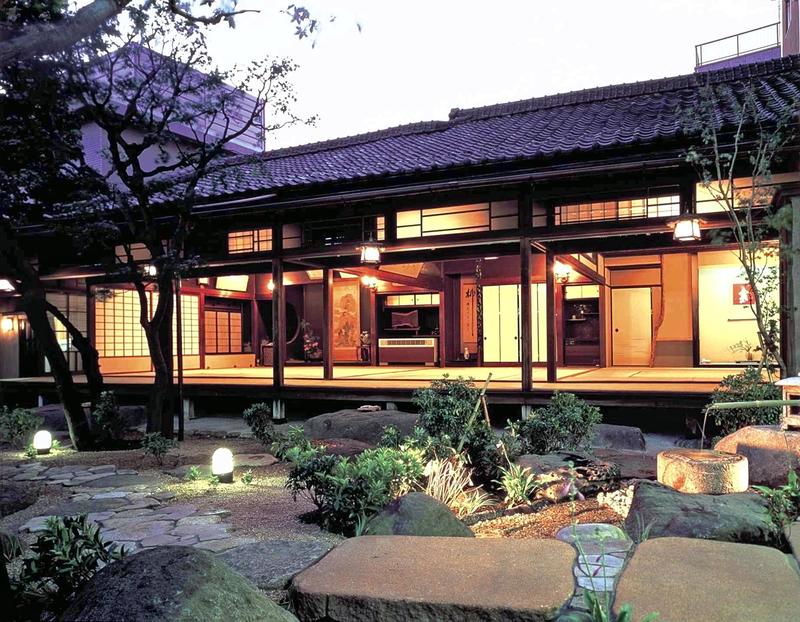
In 1889, Mori married Toshiko Akamatsu, the eldest daughter of Noriyoshi Akamatsu, a vice admiral in the Imperial Japanese Navy. The couple lived in a house owned by the Akamatsu family near Ueno Park, where Mori is believed to have written "Maihime" (The Dancing Girl), one of his signature works.
The Ogaiso hotel's predecessor, Suigetsu Ryokan, opened for business in 1943 next to Mori's former residence. The inn bought the complex three years later when it went up for sale.
Since then, the residence's building and garden have been used as venues for weddings, banquets and gatherings for composing haiku, among other purposes, while the copies of Mori's will are on display.
Another popular feature of the hotel is what has been recognized as the first natural hot spring in Tokyo.
However, Suigetsu Hotel Ogaiso has faced a decreasing number of guests as more and more hotels have opened in Tokyo in the run-up to the Olympics and Paralympics, which were supposed to be held this summer. The hotel found its business deteriorating sharply last summer, and in March, its revenues fell by 80% to 90% from the previous year because of the spread of the virus. March has always been its high season as Ueno Park attracts throngs of visitors to enjoy cherry blossom viewing. The crash prompted Nakamura's husband, Kikuyoshi, 71, to decide to close the nearly 80-year-old hotel as its president.
"We wanted to continue," Nakamura said. "However, we judged that our operations will only get worse.
"We're somewhat relieved that we can decide to close this hotel on our own, rather than letting it go bankrupt," she added.
The hotel is currently looking for ways to preserve Mori's old residence and entities to accept its employees.
"We will try to protect the wishes of our founder and preserve Ogai's history to future generations," Nakamura said.
Read more from The Japan News at https://japannews.yomiuri.co.jp/