In our daily lives, we measure a variety of things, ranging from the amount of water and gas we use and the weight of meat sold in supermarkets to blood pressure.
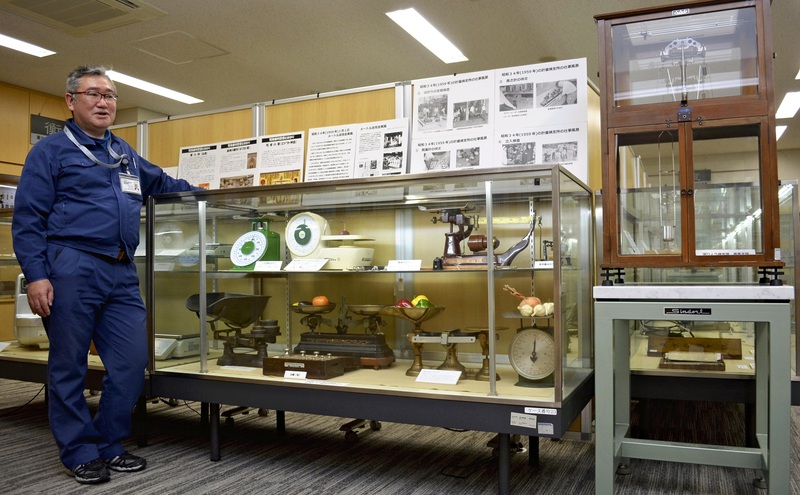
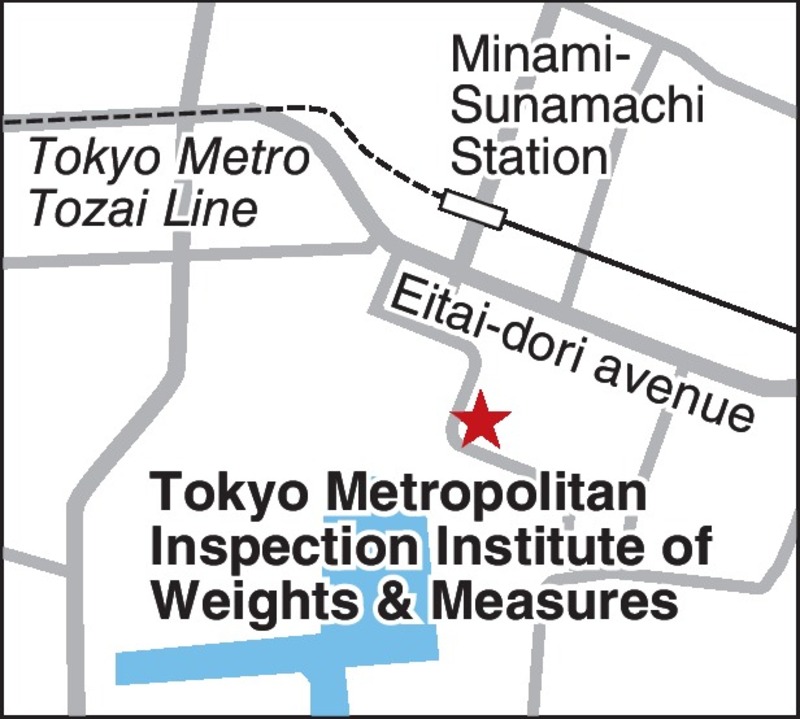
The measurement exhibition room at the Tokyo Metropolitan Inspection Institute of Weights & Measures is filled with materials related to instruments, technologies and systems that are indispensable for the convenience of daily life.
It is said that the first thing humans measured was time. Until early modern times when science and technology developed, only the measurement units of time, length, volume and weight were controlled by local authorities and states. In the early modern period, the range of objects to be measured expanded, and units for temperature and pressure, for instance, were created.
Measuring instruments such as balances and scales are classified into length, volume and weight categories, and are displayed in a different section of the exhibition room. The devices are a testament to efforts people have made for correct measurements.
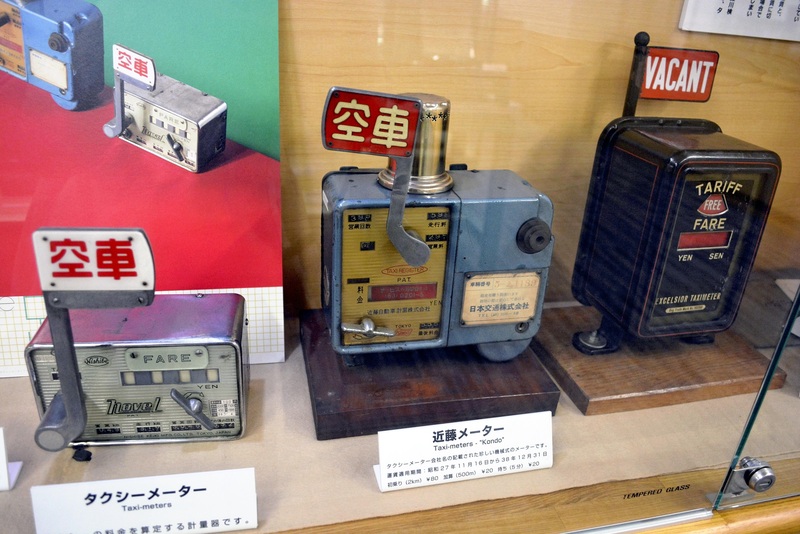
Among the exhibits are taximeters, which measure the distance a taxi travels and calculate the fare. They include a valuable item imported in the early days of the Showa period (1926-1989) that looks retro and distinctive. In the past, taximeters were activated by pulling down a lever, which stood up like a flag saying "vacant," when a passenger boarded a taxi. The expression "pulling down the meter" in Japanese, meaning activating a taximeter, is said to have originated in this action.
Taximeters nowadays are fully electronic but still required to be inspected every year under the measurement law.
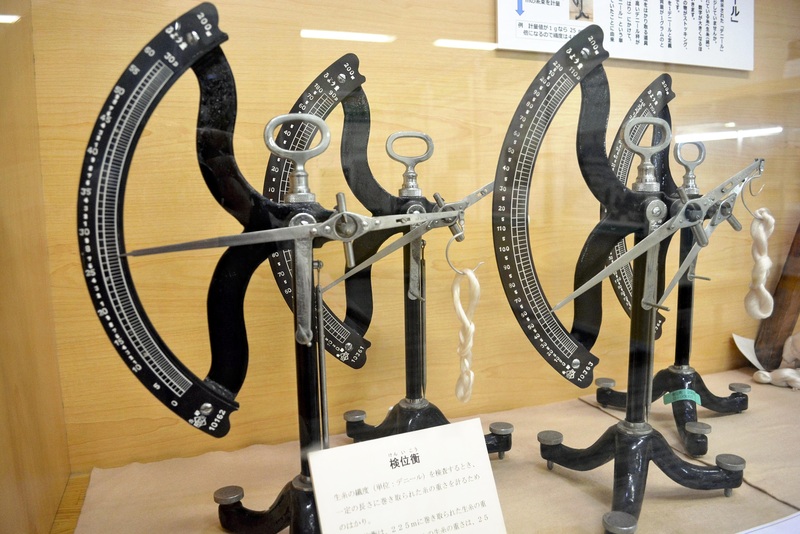
Also on display is a scale for denier, a unit of measurement that shows the thickness of fiber. This unit is found on packages of tights, for example. One denier equals one gram of mass per nine kilometers of fiber. During the Meiji era (1868-1912), a kenshakuki tool was used to measure the length of thread, as was a keniko scale to weigh small amounts.
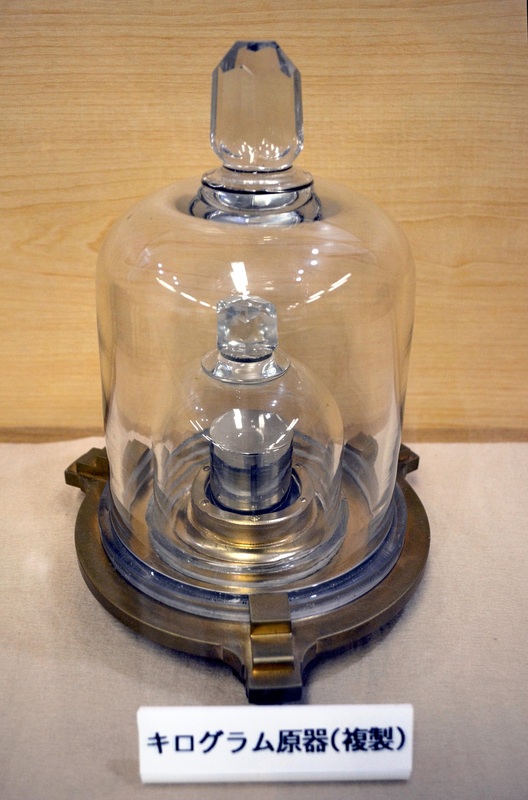
A replica of the solid cylinder that set the standard for measuring one kilogram in the nation until 2019 is also on display.
Kenichi Yamamoto, a deputy section chief of the institute, said: "Measurement is very important in our daily lives, but we don't pay much attention to it. We want people to know that there are many things around us that measure things."
Read more from The Japan News at https://japannews.yomiuri.co.jp/