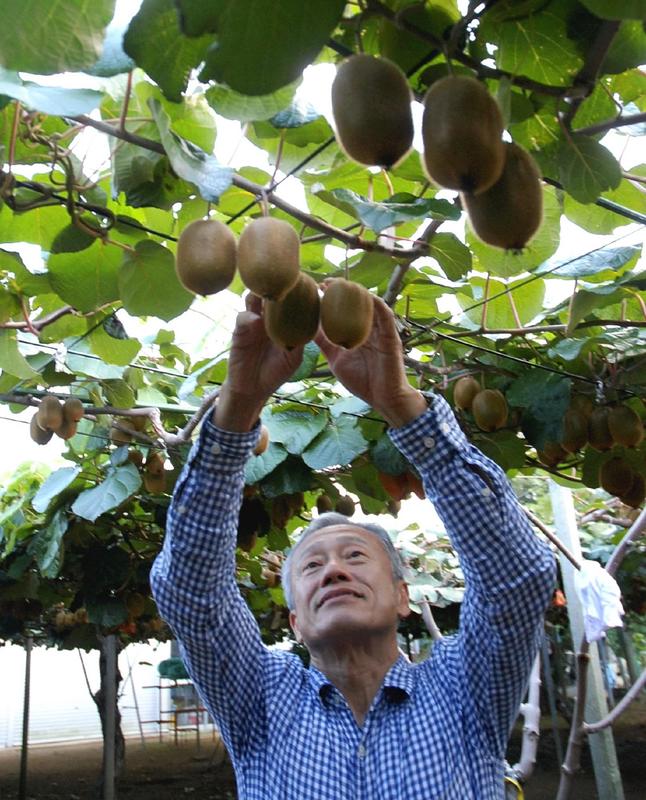
Most people associate kiwifruit with New Zealand, but few know that Mitaka in western Tokyo grows large amounts of the fuzzy fruit. So how did Mitaka come to produce the most kiwi among Tokyo's municipalities?
The kiwi plant is a member of the genus Actinidia, which originated in China. A female teacher from New Zealand is said to have brought some seeds home from a visit to China in 1904. The fruit we eat today is the result of modification and improvement since then.
Seventy-three tons of kiwi were produced in Mitaka in 2017, according to the municipal government and the JA Tokyo-Musashi agricultural cooperative. Metropolitan government statistics indicate that Mitaka been the leading kiwi producer in Tokyo since at least 1995.
There are currently 34 kiwifruit farmers in the city. I heard the Kobayashi Farm in the Mure district was the first, so I headed there for a visit. When I arrived in early August, the orchard's kiwis were growing plump in the summer sun.
The farm is run by Akira Kobayashi, 59. He said his late father Seiichi obtained 10 kiwi saplings from a specialist in Yugawara, Kanagawa Prefecture, in 1978 and planted five in a field near his home.
Initially, Seiichi worried the plants would not do well in Tokyo's climate, but perhaps the well-drained Kanto loam soil was a good fit, because two years later they began to bear fruit.
In 1982, Seiichi and some colleagues visited New Zealand to observe kiwi farming. Seeing a 37-year-old kiwi tree that was still bearing fruit made a big impression on them.
After returning to Japan, Seiichi gave lectures on raising kiwis at his house, and the practice spread to other farmers.
"My father was passionate about research. He was actively engaged in selective breeding," Akira said.
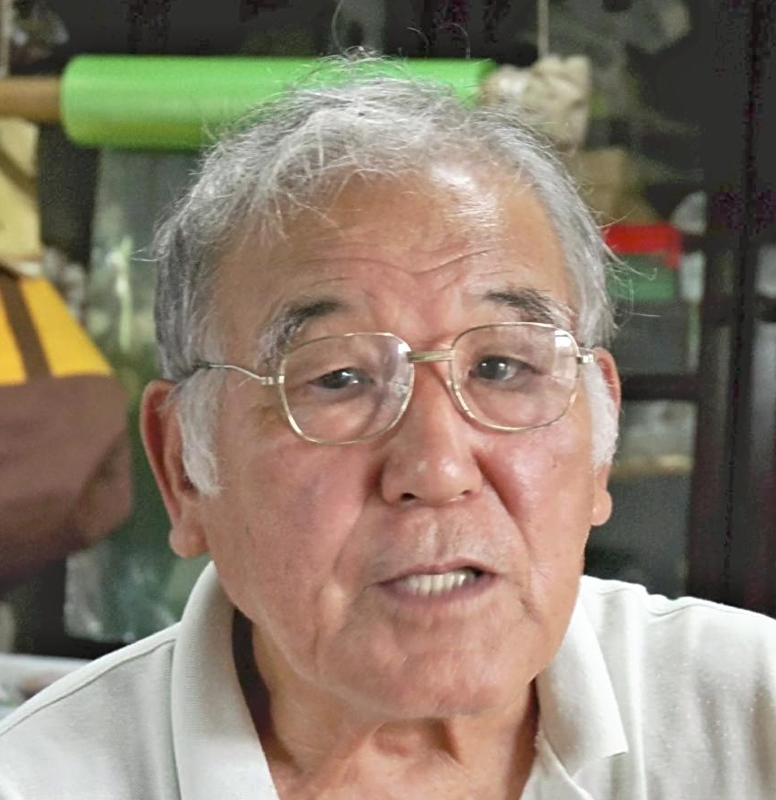
Kiyoshi Udagawa, 78, from the city's Shinkawa district, started raising kiwis on Seiichi's encouragement.
"I'd never heard of kiwis," he said, but was convinced to try it by other colleagues who were taking it up. Around 1983, he planted about 40 kiwi plants in a field.
In 1984, Udagawa and 15 other farmers formed the Mitaka Kiwi Fruits Kyokai, which is now the kiwi department in the city's fruit tree co-op.
Members visited kiwi farmers around the country, studying branch trimming and honing their skills. They invited technical officers from Yokohama National University -- said to have been one of the first to bring kiwis to Japan -- to give lectures and received advice from specialists.
I hope the kiwis in Udagawa's fields grow plump and juicy.
"Having colleagues and getting advice from specialists helped Mitaka grow lots of kiwis," Udagawa said.
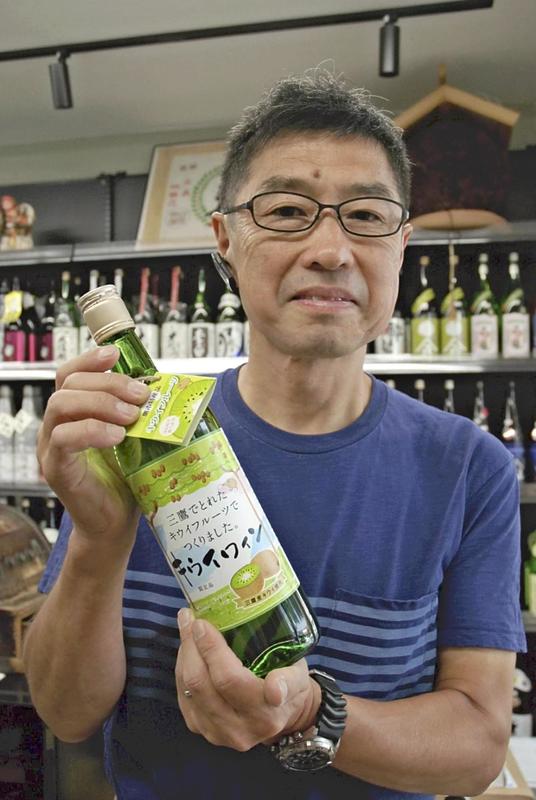
To add value to its kiwis, Mitaka uses them to make wine, cakes, yokan jellies and other products. The city's fruit tree co-op made kiwi wine for the first time in 1987, brewing 1,666 bottles.
At tasting sessions, people praised its mellow flavor and attractive color, so in 1988 they brewed 6,000 bottles and in 1989 produced 12,000. They currently produce about 10,000 bottles per year.
"It's become one of Mitaka's famous products," said Yoshihito Amano, 60, who runs the Fujiya Shoten liquor store in Mitaka.
The efforts of younger farmers have also been key. In December, four young farmers hosted a tasting session for three kiwi varieties grown in the city -- Hayward, Kohi and Tokyo Gold.
Participants enjoyed experiencing the different flavors, praising them all as delicious.
Hitoshi Yoshino, 37, is in his third year of raising kiwis. "Mitaka's strength is that it's close to a big market, so we can deliver fresh, tasty kiwis. I want to keep attracting fans," Yoshino said.
Read more from The Japan News at https://japannews.yomiuri.co.jp/