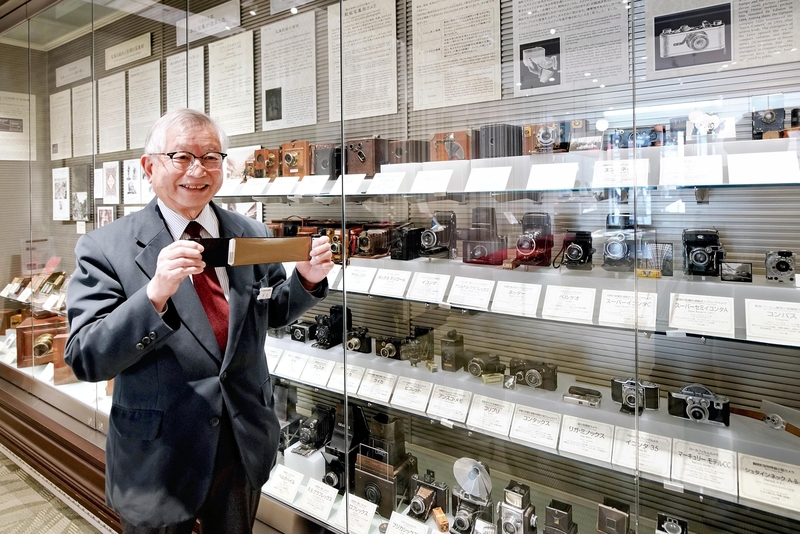
Thanks to digital cameras and smartphones, it is very easy these days to take a lot of photographs. It has been about 180 years since the introduction of practical photographic technology, and progress has been swift and constant over that time.
At the Fujifilm Square Photo History Museum in Minato Ward, Tokyo, visitors can learn about the history of photography. Run by Tokyo-based Fujifilm Corp., the museum's exhibits include valuable antique cameras, including Leicas, and photos taken with past methods. There are about 2,500 items in its collection.
A replica of a "camera obscura" is presented as the foundation of photography. An image from outside the box is projected into the dark interior through a small hole (camera obscura is Latin for "dark room").
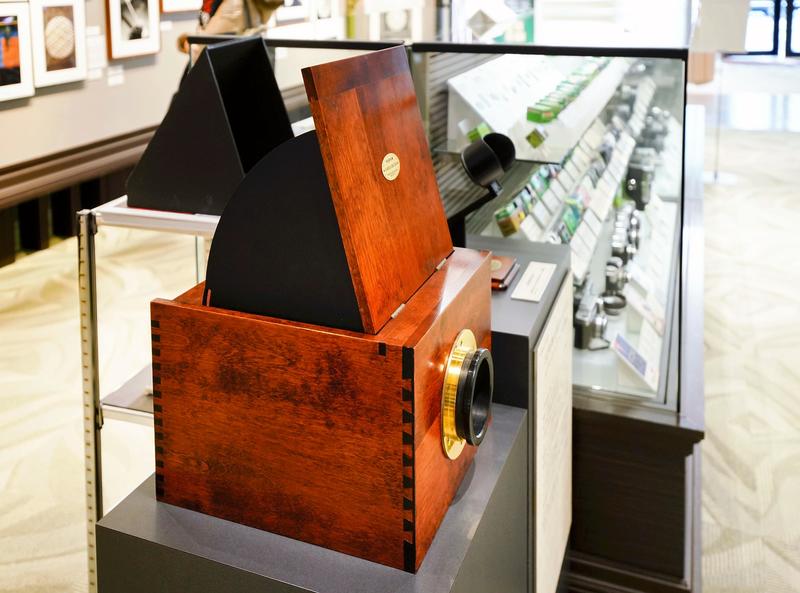
In the 16th century, painters used this tool to draw sketches, and visitors to the museum can learn how it worked.
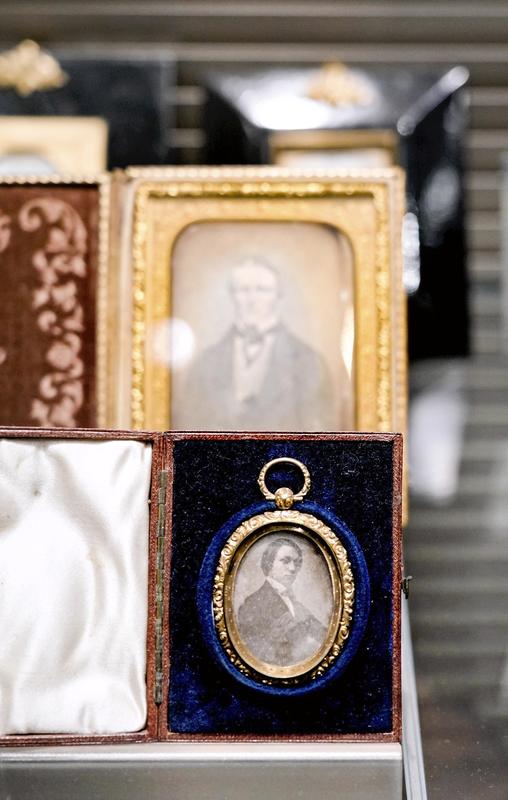
The world's first photographic technology for practical use was the daguerreotype, which emerged in France in 1839. Copper plates were coated mainly with silver as light-sensitive materials.
Only a single photograph can be produced each time. In the initial stage of development, one exposure was said to take more than 30 minutes.
Yet visitors today are surprised to see how vivid the images are in daguerreotypes taken at that time.
Museum concierge Tetsuya Masuda, 79, said: "The quality of [these] photos is high. Many people worked to improve the technology, probably because everyone was impressed and interested."
Photographic technologies rapidly progressed in the 19th century. Newly developed methods included the calotype, the starting point of the negative-positive process that made it possible to produce copies of photos. These were followed by the collodion process and the dry photographic process.
Eventually, spooled roll films appeared, and they are still used today.
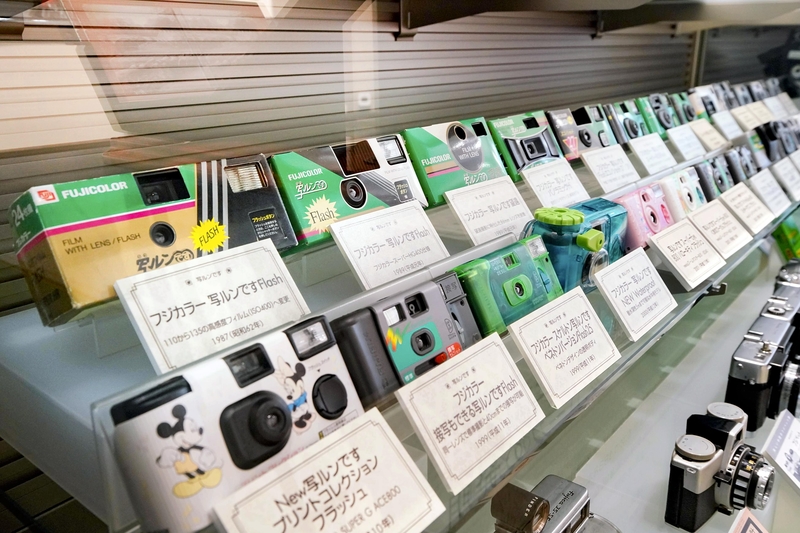
The museum also exhibits products that Fujifilm has developed since its establishment in 1934.
Eye-catching items include models of Utsurundesu, a series of single-use cameras known as QuickSnap overseas. The first model was released in 1986, and the series became a big hit because users could take photos easily at any time.
Although the sales volume for single-use cameras has decreased due to the rise of digital cameras and other new technologies, they are seeing a resurgence in popularity among young people, who say that unique photos can be taken with them.
We use photography in daily life without really thinking about it, but seeing the culmination of various technological developments will remind us how useful it is.
The museum is now closed to prevent the spread of the new coronavirus.
Information about reopening can be found at Fujifilm Square's website (http://fujifilmsquare.jp).
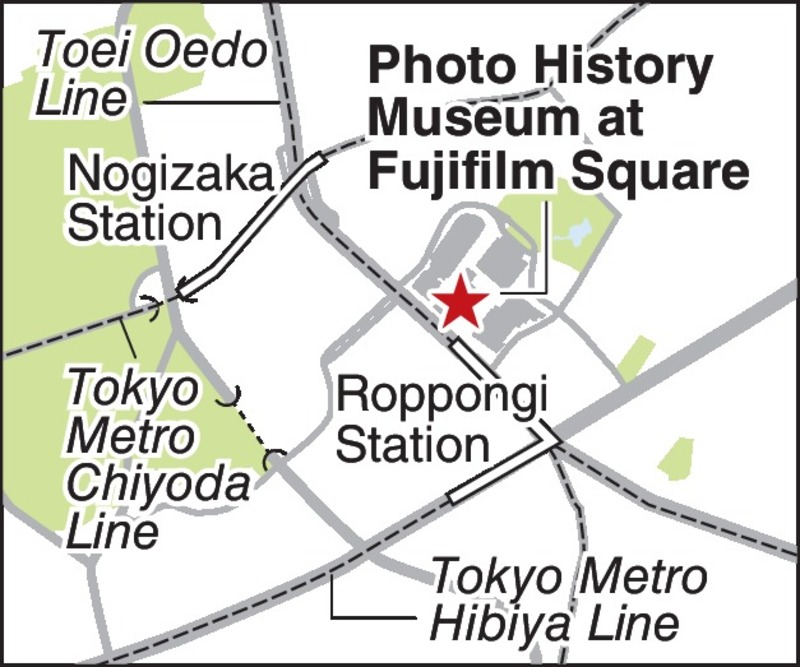
Photo History Museums: 1st floor of Tokyo Midtown West, 9-7-3 Akasaka, Minato Ward, Tokyo
Read more from The Japan News at https://japannews.yomiuri.co.jp/