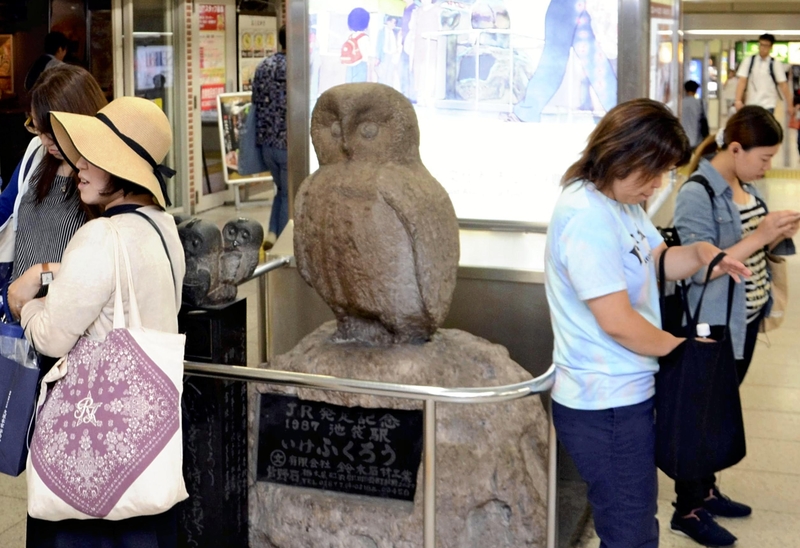
The owl stone statue "Ikefukuro" standing at the east exit of JR Ikebukuro Station in Toshima Ward, Tokyo, is a popular meeting spot. The landmark was built in 1987 to commemorate the inauguration of East Japan Railway Co. (JR East). Why was it built here?
The statue is about 80 centimeters tall. It looks like an owl resting its wings and sits on a rock pedestal, upon which a plate inscribed "JR inauguration commemoration" has been attached.
At first glance, the origins of such an owl may seem to derive from the similarity of the creature's name in Japanese -- "fukuro" -- to Ikebukuro. However, according to an official at the public relations division of JR East's Tokyo branch office, Ikebukuro Station employees had planned to erect the statue when JR East was inaugurated, because there had been owls in Ikebukuro at one time.
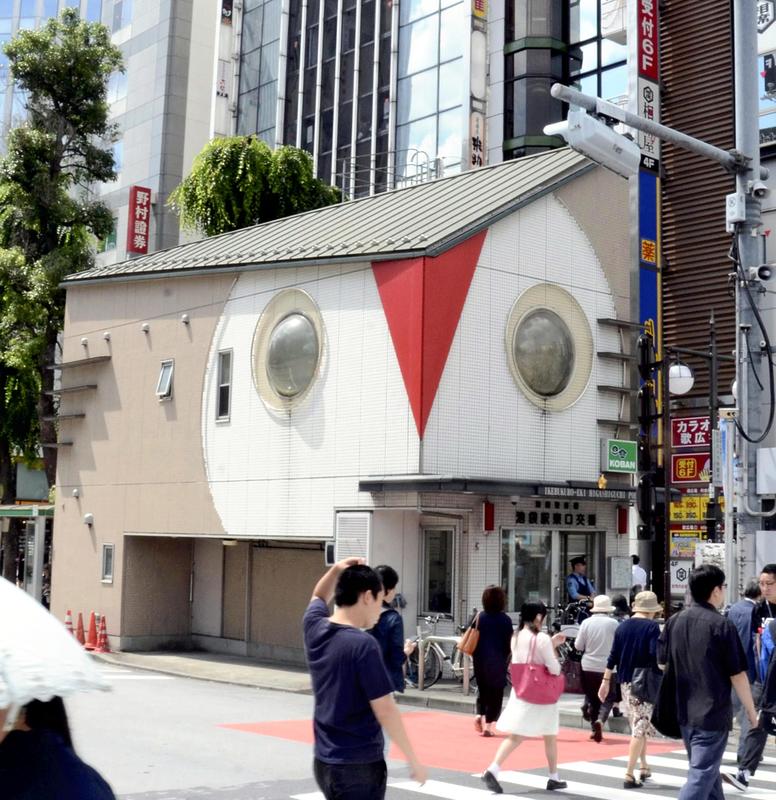
The statue is carved out of Ashino stone quarried in Tochigi Prefecture. This is because the deputy stationmaster at that time was from the prefecture, according to the branch office.
It is hard to imagine an owl had been living in Ikebukuro, looking at all the skyscrapers there now such as the Sunshine 60 building. I wondered if there really had been an owl.
Horned owl toy
According to Toshima Ward, "the village of Ikebukuro," in which farmers lived, existed during the Edo period (1603-1867). According to the book "Yureki Zakki" written in the period, the village was named Ikebukuro because there were many ponds -- "ike" in Japanese -- in the past. At the time, the village was rich in nature with a pond fed by spring water.
A local historian in the ward, Eiko Ito, who died in 2016, recorded a story in his book about an old man who talked about Ikebukuro at the end of the Taisho era (1912-1926). "The trees were so thick it was dark even in the daytime, and it was scary to hear wild birds' crying."
"There had been owls and also horned owls."
It seems that owls had indeed lived in Ikebukuro.
On the other hand, the Zoshigaya area, which is close to Ikebukuro, is still lush with greenery, and nature remains despite its urban surroundings.
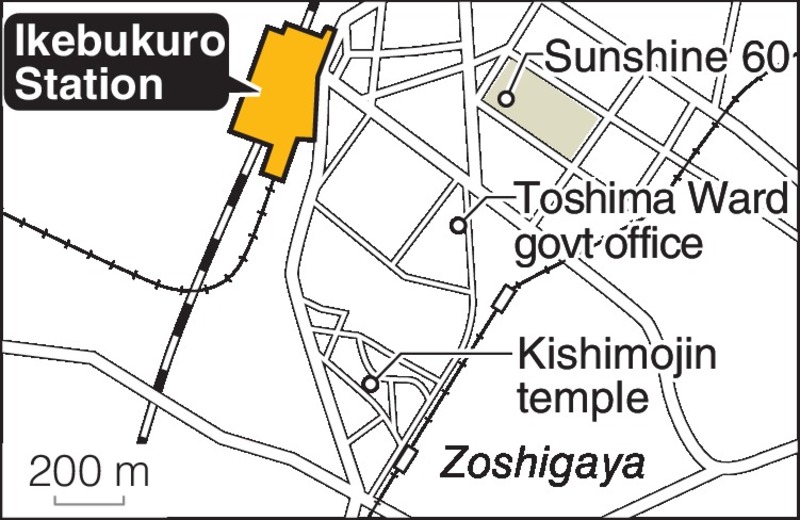
Local history buff Shin Tanaka, 68, who was born and raised in Zoshigaya, said, "In Zoshigaya, owls' voices like 'hoo-hoo-hoo' could be heard at night until around 1955." He said an old man told that story to him.
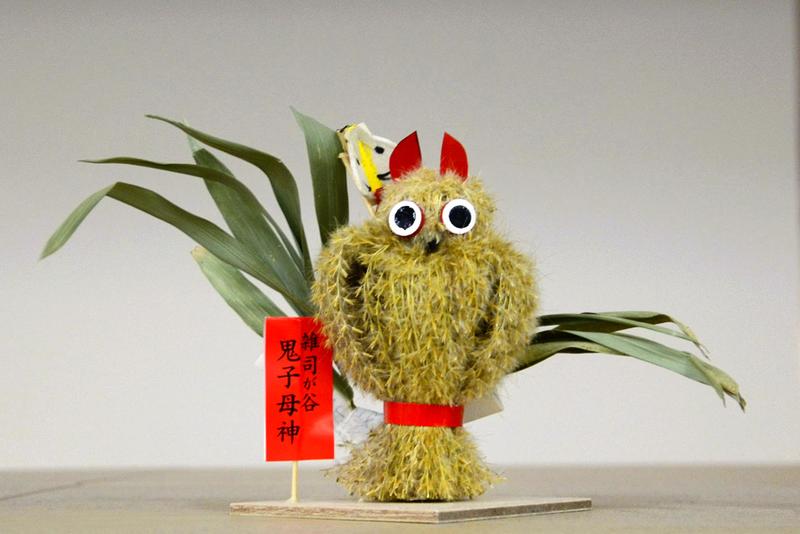
In the area around the Kishimojin temple, you can find a "Susuki Mimizuku" (Japanese pampas grass horned owl), a toy horned owl made of bundled ears of Japanese pampas grass. The local toy has been around since the Edo period and was derived from the temple's folklore.
Shoten Omi, 63, a chief priest at Homyoji temple, which the Kishimojin temple belongs to, said, "The toy is a testament to the presence of owls and horned owls around here."
More sculptures
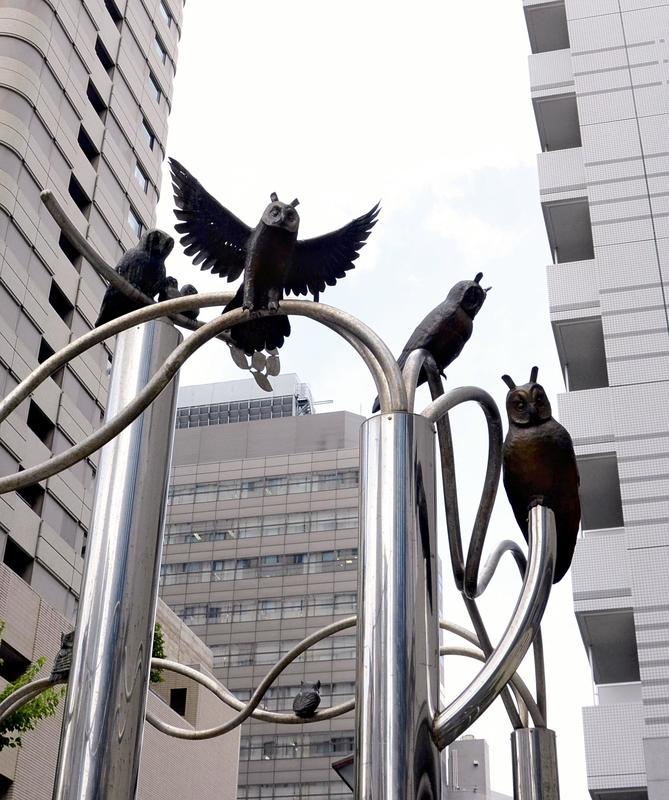
Since "Ikefukuro" was installed, Ikebukuro has been associated with owls. In 2002, locals established the Society of Planting Trees of Owls, and members of the group have built owl statues at popular sights in the ward to concretize peoples' attachment to the bird.
A total of 32 statues have been built so far, but Hiroharu Miyazawa, 64, working for the group, said, "We want to make up to 48 statues."
The ward also created an owlish mascot, Toshima Nanamaru, in 2002.
In ancient Greece, owls were considered as a messenger of the goddess Athene and a symbol of art and wisdom. Koji Kubo, 66, working for the owl museum Toshima Fukuro Mimizuku Shiryokan, in which donated materials about owls are exhibited, said, "Owls have been helpful catching insects and mice that eat away crops since long ago in Japan."
Owls are considered an auspicious bird inviting fortune, as expressed in the particular kanji characters that have meanings such as "preventing hardships" or "fortune basket."
The next time you are walking in Ikebukuro, try to imagine the owls and horned owls that once lived here.
Read more from The Japan News at https://japannews.yomiuri.co.jp/