Many people have nostalgic memories related to books, including having had books read to them by parents in their childhood or reading picture books so many times they became worn out.
The International Library of Children's Literature (ILCL) of the National Diet Library is a place where visitors can learn about the transition of Japanese children's books, and about foreign ones.
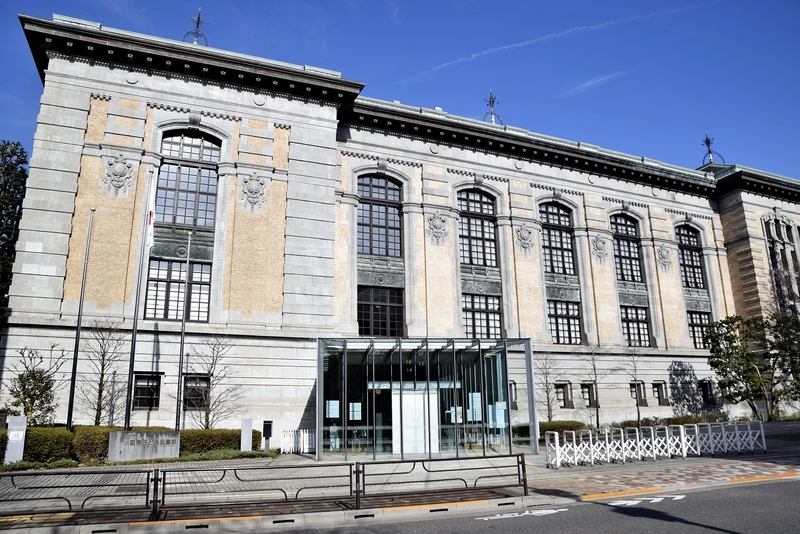
The ILCL consists of the Brick Building, which was built in 1906 as an imperial library and was later repaired, and the Arch Building, completed in 2015. The two buildings house a combined 600,000 items of children's books and research materials on them.
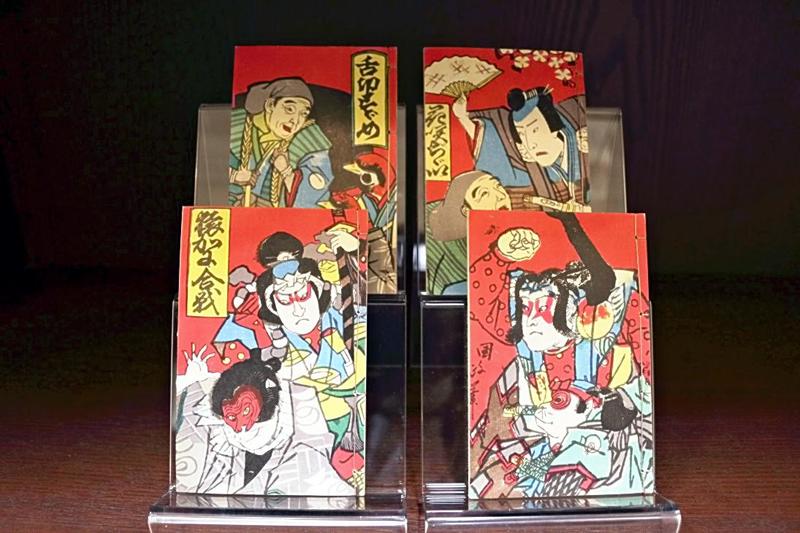
In the Gallery of Children's Literature on the second floor of the Brick Building, picture books and children's books from the Meiji era (1868-1912) to the present day are lined up on open shelves categorized by eras. What attracted my attention were reprinted versions of picture books published during the Edo period (1603-1867) that are referred to as "Akahon."
They include "Shitakiri Suzume" (The Tongue-Cut Sparrow) and "Sarukani Gassen" (The Battle between the Monkey and the Crab). Even today, Japanese children are familiar with many of these picture books.
The next item I came across was a picture book that was produced during the Meiji era as a gift brought overseas.
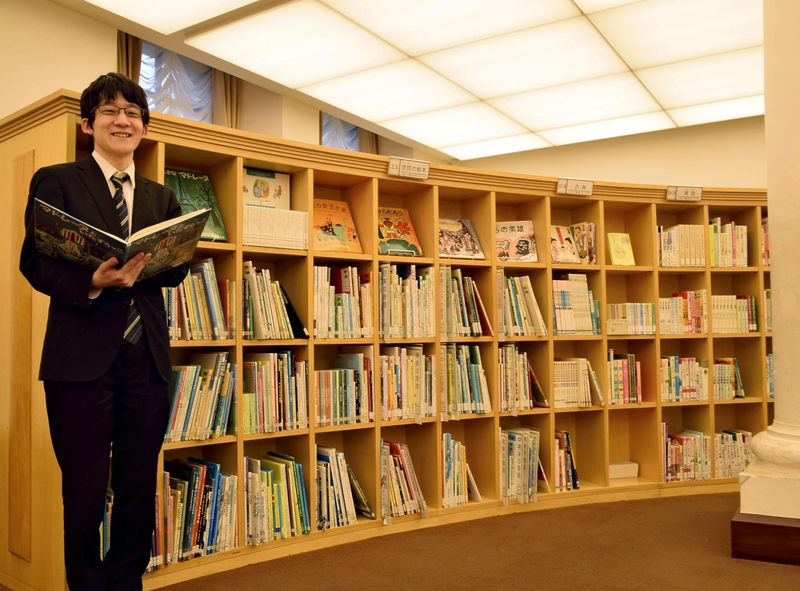
"Look carefully at the front cover [of this book]. Its texture is something like a crepe cloth," said Satoshi Kubo, 24, an official of the ILCL.
Called the "crepe book," the book is made of washi or Japanese paper that was processed to have the texture of crepe cloth in order to attract the attention of foreigners. The book includes pictures of "Momotaro," the main character of a namesake Japanese fairy tale, with the story written in English.
At the Museum on the third floor of the Brick Building, there is a wooden fitting that connects an indoor space with a book storage space, with the door on the right side leading to the book storage. When you open the door on the left side, you will find a brick wall. The bricks date back to the time of the Brick Building's construction.
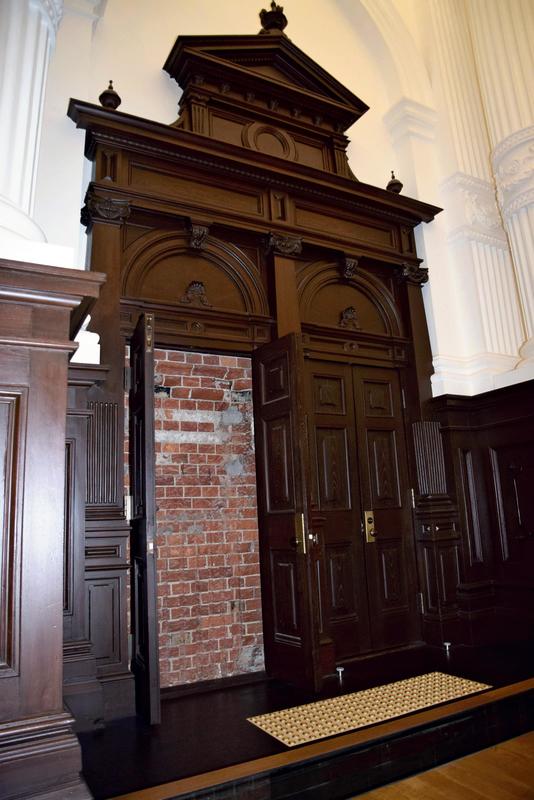
"This is the only place in the museum you can see bricks," Kubo said.
Popular among children is the Children's Library, a reading room primarily for elementary school children or younger. The room houses about 10,000 children's books. The room's lighting is designed to not produce shadows wherever you may be in the room.
There is also the "Meet the World" space where picture books translated into multi-languages and foreign children's books are on display.
"I'm sure that there are many children's books you have not read yet," Kubo said. "Please take time to go around and pick up some books for reading."
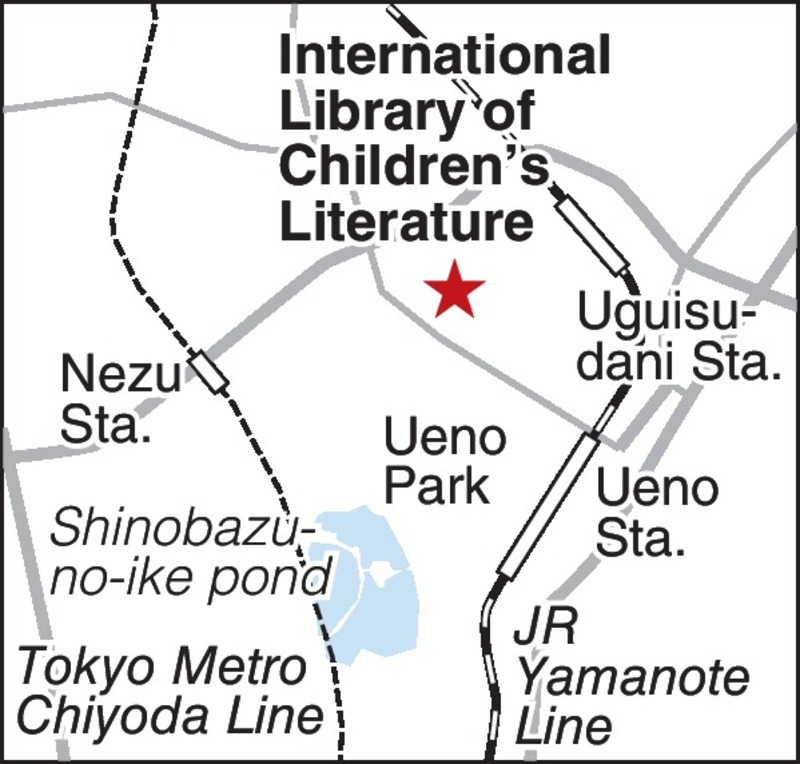
International Library of Children's Literature (ILCL): 12-49 Ueno Koen, Taito Ward, Tokyo
Read more from The Japan News at https://japannews.yomiuri.co.jp/