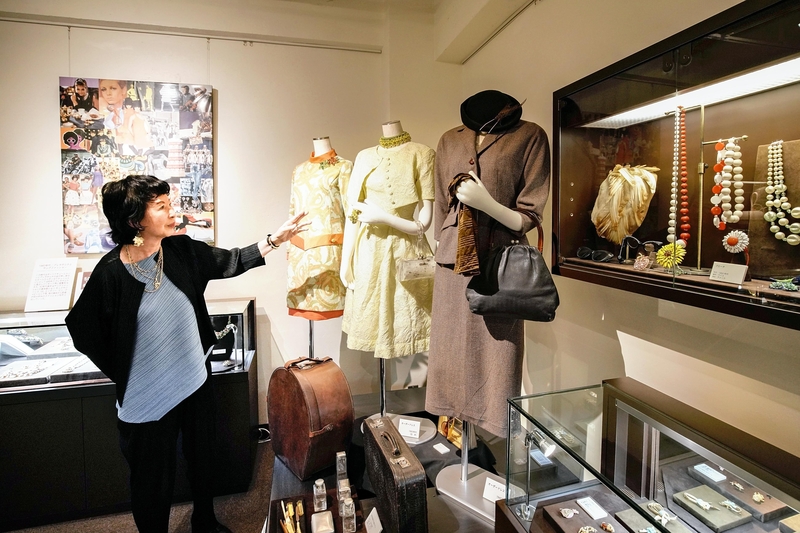
Visitors wishing to see high-priced fine jewelry made from diamonds and precious metals like gold and platinum won't find them at the Accessory Museum. This is a place for the low-end cousins of fine jewelry.
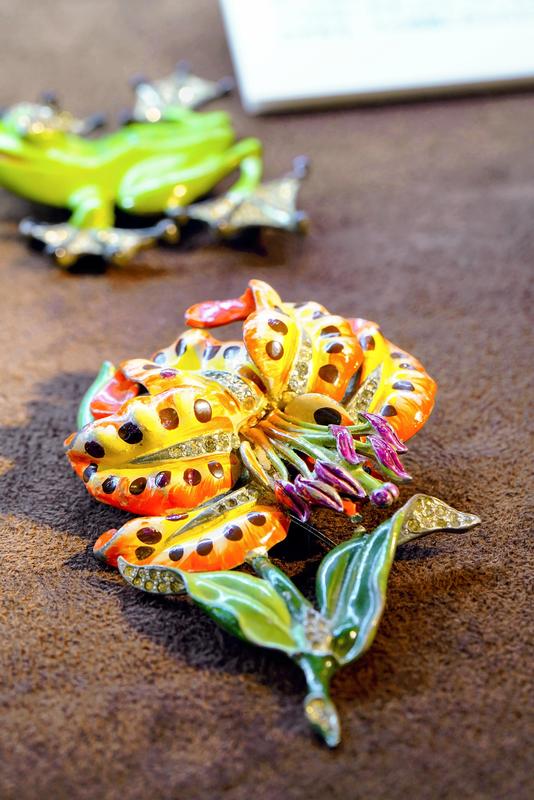
On display at the museum in Meguro Ward, Tokyo, is costume jewelry made from low-priced materials like glass, alloy and plastic. Fashionable in their own right, the accessories dating from the early 19th century to the 1990s convey the trends, moods and technology of each respective era.
The museum opened in April 2010 in the remodeled home of Motoko Tanaka, 78, who had taken over the accessory manufacturing and sales company founded by her father and has been designing accessories for young people for over half a century. On display are tens of thousands of items collected from around the world or donated by connoisseurs.
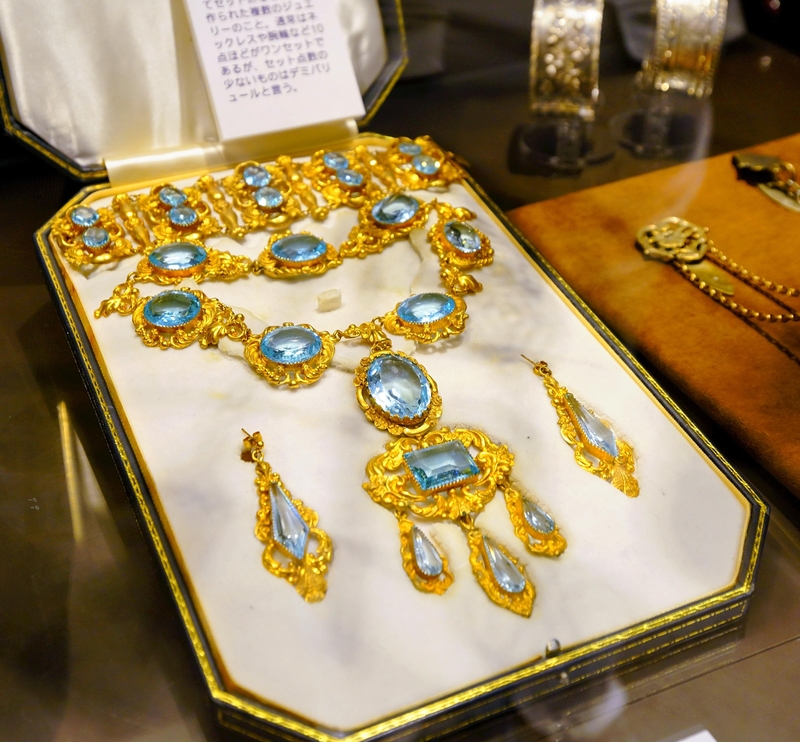
Featured is a parure set consisting of a necklace, ring and other items made in Britain in the 19th century. A large, aqua blue stone in a gold-colored setting looks like a sapphire, but is actually made of glass. The setting is made from an alloy. Aristocrats back then were said to have worn genuine jewelry only on important occasions, such as a royal ball. For their nightly parties, costume jewelry sufficed.
There are also brooches designed by so-called "Queen of Fashion" Coco Chanel (1883-1971) with motifs of flowers and frogs. The items were made by pouring tin into molds and applying them three-dimensionally before being painted.
"It was a dynamic idea to apply paint at the time when the technology for tin plating did not exist," Tanaka said.
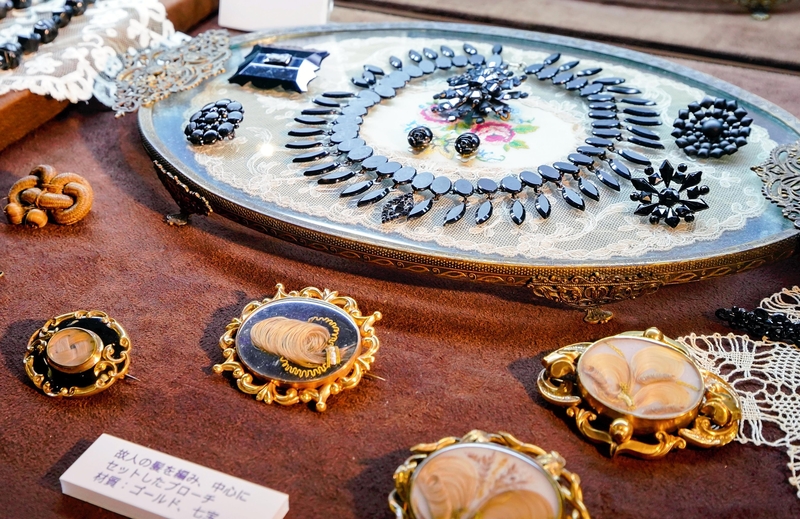
Bulbous items made by glamorous French glass atelier Maison Gripoix were used for necklaces and earrings designed by Chanel and Christian Dior. Also catching the eye is the "mourning jewelry," including brooches and bracelets braided with hair from a deceased family member or loved one.
Real fine jewelry has its attraction, but costume jewelry worn to fit a mood or occasion can also have profound meaning. "Look for the differences between items in terms of expression and features, and let your imagination be taken into a different era," Tanaka said.
Read more from The Japan News at https://japannews.yomiuri.co.jp/