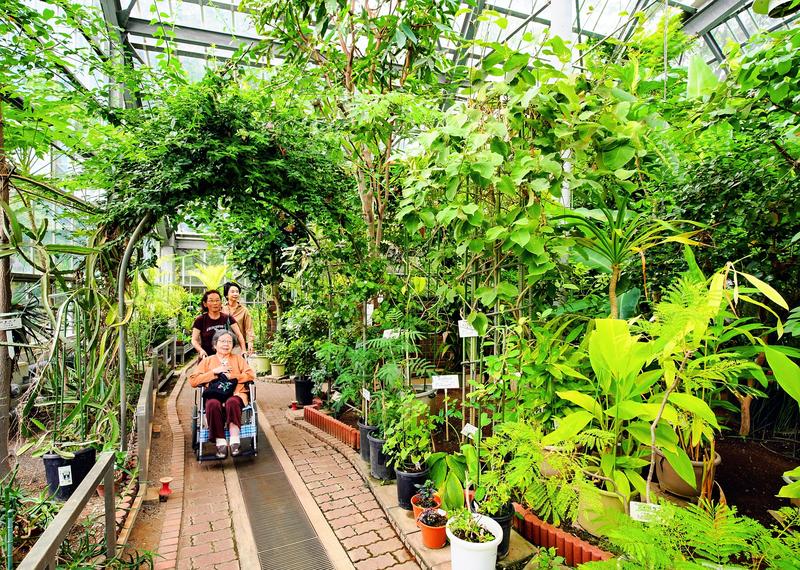
More than 1,600 kinds of plants, mainly medicinal plants used as crude drugs or as raw materials for kampo medicines, are grown in 14 areas on a three-hectare site at the Tokyo Metropolitan Medical Plant Garden in Kodaira, Tokyo.
When the garden opened in 1946, one year after the end of World War II, its main role was to secure raw materials for medicines.
Currently, as part of the Tokyo metropolitan government's drug administration, tests and research have also been conducted on plants to learn about nutrition and illegal drugs.
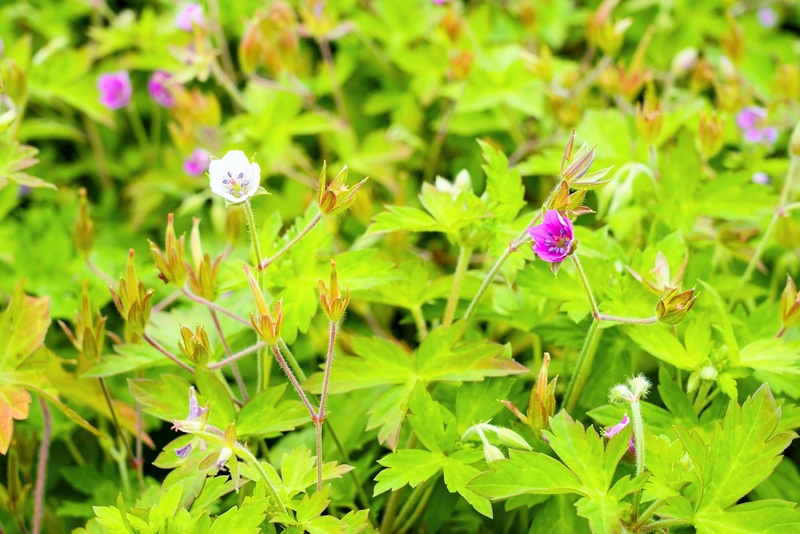
Ko Nakamura, 55, a senior researcher at the institute, explained about catharanthus roseus, a plant with cute white blossoms.
"The flower is popular for gardening, but some are poisonous. It's also a source of anticancer drugs," said Nakamura.
Standing in front of nira garlic chives and daffodils -- two similar looking plants that have long, thin leaves -- he said: "The smell helps tell the difference between them. Daffodil leaves don't have the characteristic smell of nira garlic chives."
Every year, there are cases of people accidentally poisoning themselves when they eat daffodils after mistaking them for nira, he said.
There also are some plants in the garden that are difficult to find elsewhere in Japan, such as hemp and poppies, whose cultivation is prohibited. There are monkshood and cowbane as well, which are famous as poisonous plants.
Police officers and officials from public health centers have come to the facility for training, he said.
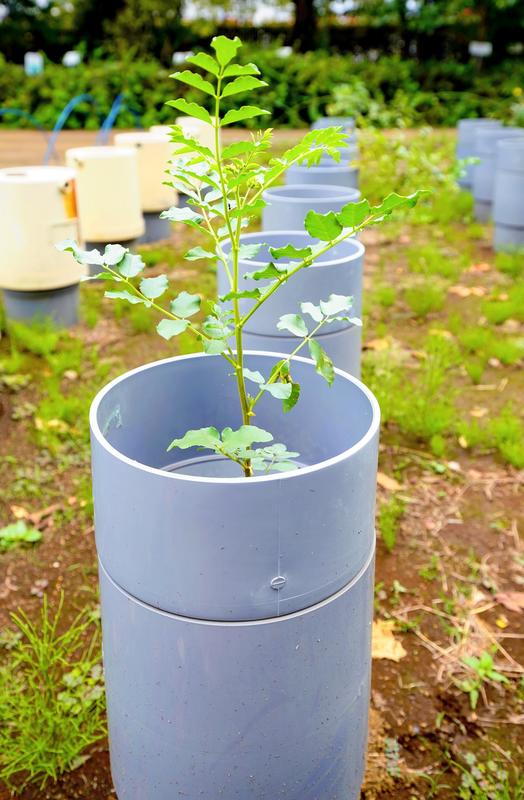
The garden also cultivates non-medicinal plants.
"Please take a look here," Nakamura said, as he headed for the greenhouse just inside the main gate.
There was a faint sweet smell inside the greenhouse, where cacao and ylang-ylang grow. Cacao may be famous as the raw material for chocolate, but it is also useful as a raw material for suppositories, as cacao oil melts at about 35 C, just below normal human body temperature. As for ylang-ylang, it is a well-known ingredient in perfume.
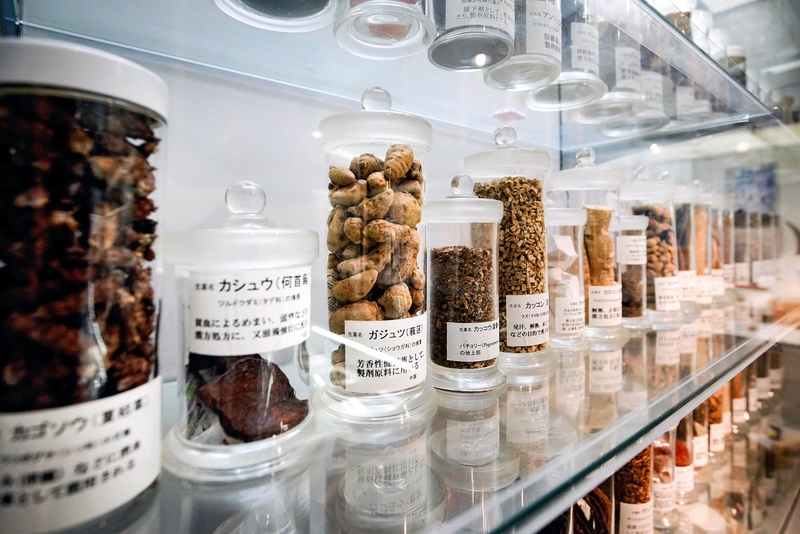
There is also a library inside the garden, where a 3D specimen of monkshood is displayed. Visitors can see real monkshood behind glass and closely examine the blue flowers and roots. Crude drugs are also displayed in the library.
"Plants can be both poisonous and medicinal to humans. I want [this place] to provide an opportunity for people to learn about familiar plants," Nakamura said.
The blue flowers of monkshood and the purple flowers of cranesbills are at their best now.
It is often said that beautiful flowers have thorns. Poisonous flowers are also beautiful.
-- Tokyo Metropolitan Medical Plant Garden
Volunteer guides are identified by their yellow armbands. When you need a guide, you can ask one of them.
They are usually in the garden except on Tuesdays. Free herb classes are held once a month from April to November.
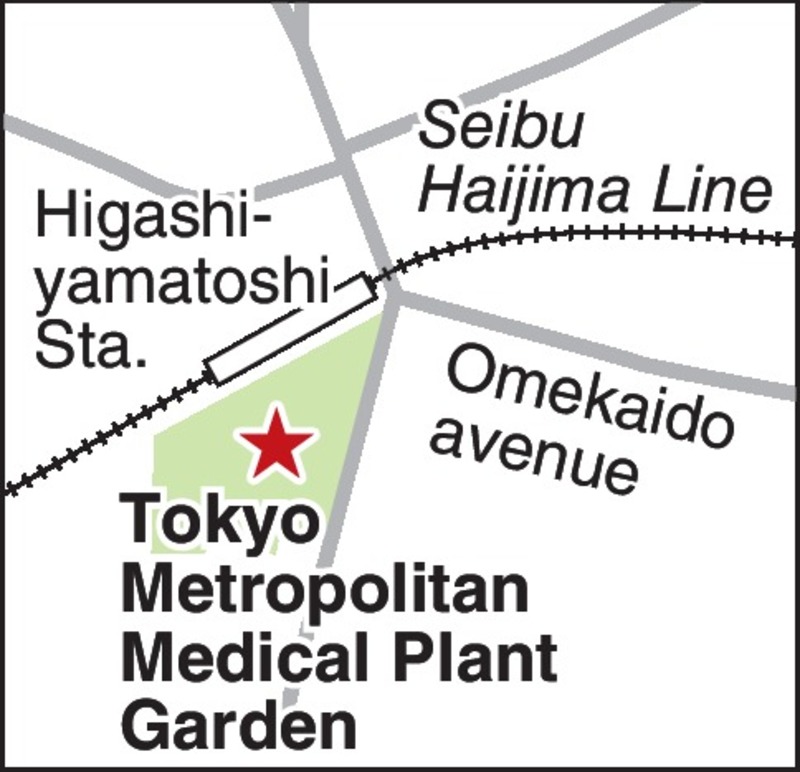
An about two minutes walk from Higashi-Yamatoshi Station on the Seibu Haijima Line.
Address: 21-1 Nakajima-cho 1, Kodaira, Tokyo
Open: 9 a.m. to 4 p.m. from October to March; 9 a.m. to 4:30 p.m. from April to September. Closed Mondays (or the following day when a Monday falls on a national holiday) and during the year-end and New Year period.
Admission: Free
Information: (042) 341-0344
Read more from The Japan News at https://japannews.yomiuri.co.jp/