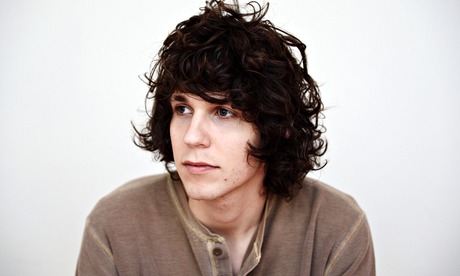
Tobias Jesso Jr, On tour
The debut album by Tobias Jesso Jr was released in 1974. Or so you might think. When you hear its blend of gentle melody and Hollywood ruefulness, you are instantly transported back to the soft rock apogee of John Lennon’s lost weekend; picturing he and Harry Nilsson drinking Brandy Alexanders in their bathrobes, a moustachioed Paul McCartney dropping in. And so it is with the music: mainly conducted at the piano, Jesso’s album Goon is filled with delicate but persuasive songwriting, a broken heart painstakingly examined at the keys in the manner of Nilsson, Macca and Lennon. This is similar territory to that being walked by Father John Misty, but where Josh Tillman’s ego atomises everything in its vicinity, Jesso is a man unafraid to acknowledge a vulnerable side.
JR
Super Furry Animals, On tour
In the period between the demise of their label, Creation, and being picked up by Sony, Super Furries released the Welsh-language album Mwng, which became their biggest-selling record at the time. Their unlikely splicing of acid house, Steely Dan and glam rock had always stretched the idiom of indie, but Mwng included the likes of Pan Ddaw’r Wawr, implying epic folk balladry of which they were the only known proponents. Amid stiff competition, it may be their best record, and seemingly the band think so too. Fifteen years after its release, they’ve reissued it, and re-formed after a long spell away.
JR
The Prodigy, On tour
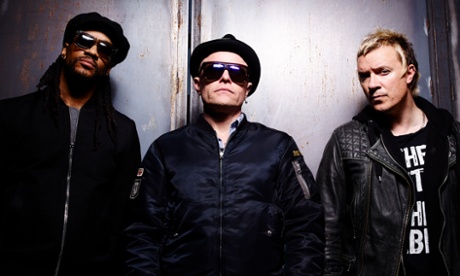
Arguably more popular now than they were when they started, the Prodigy have managed to make their take on techno-punk juvenile delinquency last into middle age: their sixth album The Day Is My Enemy containing music as rowdy and misanthropic as any on The Fat Of The Land, their early Firestarting triumph. It’s impressive, but then the band haven’t been afraid to adapt, in their way, to changing circumstances. When they left their long-time home on XL Recordings they landed on the untrendy Cooking Vinyl labels but continued to slay huge crowds at festivals. The new album, meanwhile, shares an unlikely writing credit with Cole Porter, but also finds a like mind in the shape of Jason Williamson of Sleaford Mods, who helps them update their misanthropy for changed times.
JR
Sound From The Other City, Salford
Refusing to stand in the shadow of Manchester, Salford has been striking out alone in recent years, with a terrific amount of music and art coming out of the city. Sounds From The Other City co-opts pubs, clubs and churches for a day showcasing the breadth of its output. With a lineup that’s described as being like the Grand National – “pick the names you like the best and take a punt” – highlights include (but are not limited to) film and music collective Video Jam’s happenings at the King’s Arms, featuring Hartheim playing a live score to Man Ray film Emak-Bakia, and Shit & Shine’s mangled drum circles at the Old Pint Pot. St Philip’s Church, meanwhile, hosts psych singer-songwriter Jane Weaver and tropical punks Zun Zun Egui, among others; while at Vimto Gardens Ex-Easter Island Head will perform a new work with members of the BBC Philharmonic Ensemble.
Various venues, Sun
JA
Joe Lovano’s Village Rhythms Band, Cheltenham
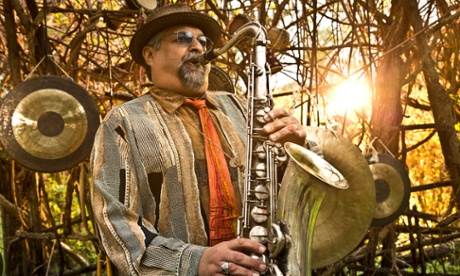
Seven decades ago, Sonny Rollins forged a unique sound from the work of three pioneers of his era: saxophonists Coleman Hawkins, Charlie Parker and Lester Young. Joe Lovano has done the same, regarding Wayne Shorter, Ornette Coleman and Rollins himself as key contributors to his present stature as one of the most admired saxophonists on the contemporary jazz scene. For this Cheltenham jazz festival gig, Lovano returns to an early inspiration, an impromptu jam in the 1980s with Afrobeat great Fela Kuti, a formative experience which he now re-examines in his eclectic and world-musical Village Rhythms Band.
Jazz Arena, Sat
JF
Barbara Hannigan & The Britten Sinfonia, On tour
The Britten Sinfonia embark on a brief tour with Canadian soprano Barbara Hannigan, who will also conduct the chamber orchestra. The first programme, with Hannigan conducting, explores the contrasting and complementary sound worlds of Mozart, Haydn and Stravinsky. The second focuses on turn-of-the-century Vienna, concluding with Schoenberg’s controversial second string quartet, a work which caused a scandal on its 1908 premiere as it broke with 150 years of musical tradition, adding a soprano to the lineup of two violins, viola and cello. This is a repertoire that Hannigan has made her own; with the fluid and quick-thinking musicality of the Britten Sinfonia, these should be unmissable events.
IT