Last weekend, we saw the darkest side of humanity. Omar Mateen, an American citizen, driven by (perhaps internalized) homophobia, took 49 lives and destroyed the lives of hundreds more.
This massacre, and its aftermath, point to multiple failures of science and democracy that together we can and must fix.
Congress, for example, effectively banned any federally funded gun violence research twenty years ago, preventing us from making informed decisions about gun safety. The ban’s lead sponsor, a Republican, now routinely expresses regret.
After the Newtown, Connecticut shooting that killed 20 children and six adults, President Obama directed his administration to explore ways to resume firearm-related research. Forty-two months later, we have made little progress. “To actively do nothing is a decision as well,” said President Barack Obama in his now routine post-mass murder press conference.
On the Zika virus, we can find common ground. On the public health threat of gun violence, we cannot. We launched a War on Cancer, but for guns, we have only prayers. Arguments devoid of knowledge or meaningful data ratchet up. Moments of silence become deafening. The facts don’t seem to enter the conversation.
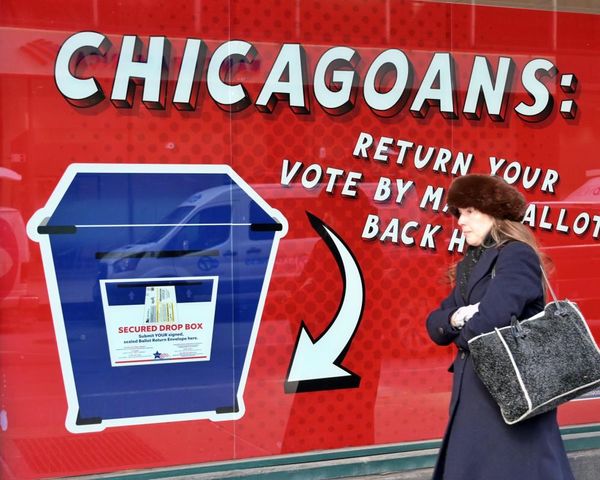
As we dawdle, people (disproportionately black or brown) continue to be murdered. The 102 dead and injured in the Orlando nightclub were predominantly Latino. Those killed or injured by gunfire in Chicago—overwhelmingly people of color—number 1,661 in 2016 alone. Without research, we struggle to agree on solutions.
There is also a failure of science and democracy when inaccurate information about LGBT people is allowed to persist.
The facts: “gay therapy” programs, which claim to change one’s sexual orientation, don’t work. Children in same-sex households have positive outcomes on par with those in opposite sex households. And yes, transgender folks are no more or less likely to be sexual predators in bathrooms than cisgender people. But that doesn’t stop some from suggesting the opposite.
And despite the urgent need for blood donations in Orlando and a chronic national shortage of blood products, the U.S. Food and Drug Administration prohibits most gay men from giving blood, even though the negligible increase in risk would be far exceeded by the benefit of millions of additional pints.
Finally, there is a failure of science and democracy when some misuse evidence to stoke fear and heighten division.
Before the bodies in Orlando were even counted, many observers were all too ready to highlight the shooter’s ethnicity and salivated at the chance connect him to ISIS, a connection that becomes more dubious by the day. When we choose to see the other as less human, it is easier for us to support emotional or physical violence against them, or stand by while such violence is perpetrated against them.
This is true both for policy decisions that can mean life or death, such as how we handle refugees, and individual decisions that can mean life or death, such as when people who are perceived to be Muslim or LGBT are beaten or killed. American Muslims are now more likely to face harassment and threats to their safety in school and in greater society. This is no accident.
Different perspectives and backgrounds, and a clear conversation informed by science, engender new ideas and more resiliency to solve problems. Factionalism and cynicism breeds distrust and causes people to retreat into their own corners.
That retreat can be tempting. The Orlando killings punctuate the vulnerability of LGBT people. A potential attack on the Los Angeles Pride parade was thwarted on Sunday. Most LGBT Americans know someone personally who has been violently attacked for perceived sexuality or gender identity. Recent research by the American Physical Society found that many LGBT physicists feel isolated, excluded, and coerced into hiding their identity.
These are clear examples – tragic ones – of the difficulty of building a healthy democracy that respects both science and diversity of opinion. Yet we may be turning a corner.
“My heart has changed,” said Utah Republican Lieutenant Governor Michael Cox to LGBT mourners at a vigil on Monday. “It has changed because of you…may we leave today with a resolve to be a little kinder. May we try to listen more and talk less.”
On Tuesday, the American Medical Association called gun violence a “public health crisis” and vowed to push for change. On Wednesday, during a marathon filibuster, multiple U. S. Senators took to the Senate floor to call for an end to the research ban.
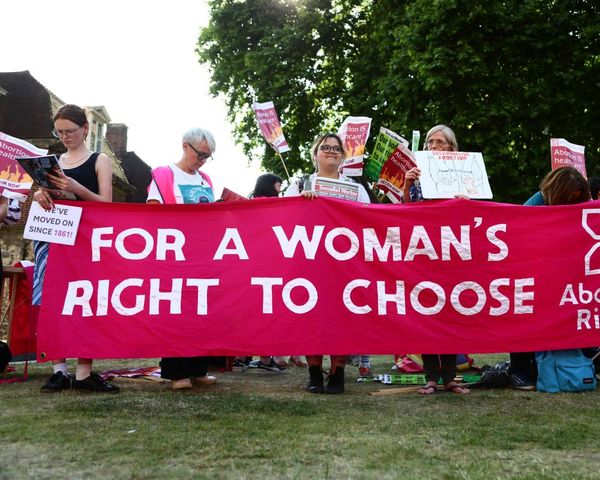
And all week, at gatherings around the world, Muslims and lesbian, gay, bisexual, and transgender people are embracing a message of unity and togetherness. If we are to address urgent challenges together, and not let our society be divided, then we must recognise and tackle challenges of science and democracy like these. Let’s not lose this opportunity.