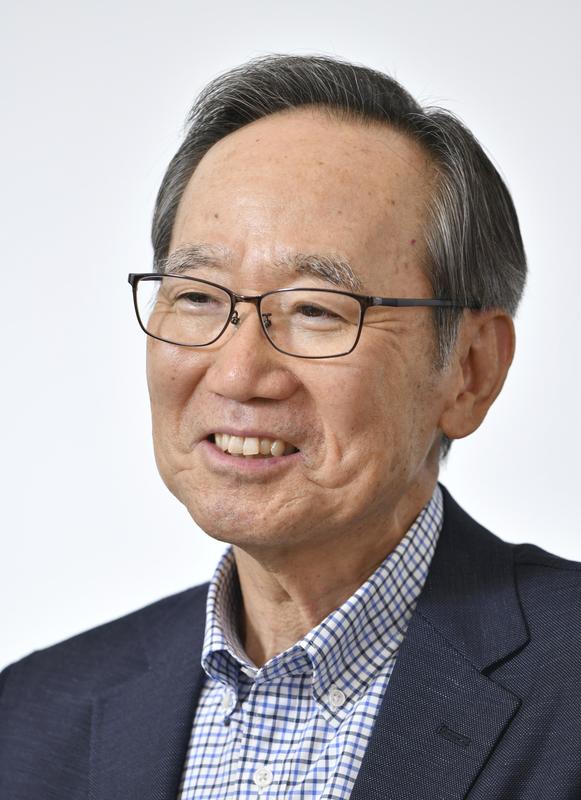
Shuichi Yoshikai, lawyer and former president of the Tokyo High Court, shared his thoughts on a set of proposals The Yomiuri Shimbun has compiled on building a society that is resilient to infectious diseases. Below is his response.
The history of the fight between humans and infectious diseases carries with it a negative legacy of discrimination and prejudice against patients and their families.
In 2003, when I was serving as the director general of the Human Rights Bureau of the Justice Ministry, a hotel in the Kurokawa Onsen hot spring town in Kumamoto Prefecture refused overnight stays to former leprosy patients. Those former patients and their supporters protested the hotel, then a flood of negative letters and phone calls came to them.
The word discrimination is defined as the social differentiation of people without reason, or the deprivation of people's human rights that makes them unable to fully participate in society.
The incident occurred more than two years after the Kumamoto District Court's ruling deeming the isolation policy of leprosy patients unconstitutional. It was an event that took place in the midst of a progressing development in human rights awareness, and I was keenly aware of the difficulty of removing the discrimination that had once taken root in society.
Discrimination is not a thing of the past. Should a second wave of the novel coronavirus occur, it could create new "coronavirus discrimination." The Yomiuri proposal cited an "excessive sense of self-defense seeking zero risk of infection" as a factor of discrimination and emphasized the importance of having an appropriate sense of alarm toward the coronavirus, which I think is a timely assessment.
Reflecting on past discrimination, the Infectious Disease Law obliges the central and local governments to prevent discrimination by providing appropriate information and improving public awareness. The law also urges the public to have the proper information regarding diseases and to respect the human rights of those infected. Whether we can build a society intolerant of discrimination in the future depends on the mindset of each and every one of us.
It is important for administrative organizations to carry out services that increase public awareness, but such efforts tend to be one-size-fits-all. Therefore, the media play a significant role by conducting in-depth interviews and conveying the opinions of those affected. When readers or viewers know the reality of the discrimination related to the coronavirus through news reports, they can see discrimination as their own problem.
To deal with discrimination that has already taken place, including online slander, it would be more practical for the Justice Ministry to expand its free human rights remedy system.
Some victims might not be able to solve problems through this procedure and seek judicial remedy for reasons such as the website operator's refusal to remove the offensive posted material. There could also be a conflict between the privacy of those infected and the public's right to know and freedom of expression. We hope courts will make every effort to accurately grasp the circumstances of cases and expeditiously lead trial processes.
Read more from The Japan News at https://japannews.yomiuri.co.jp/