
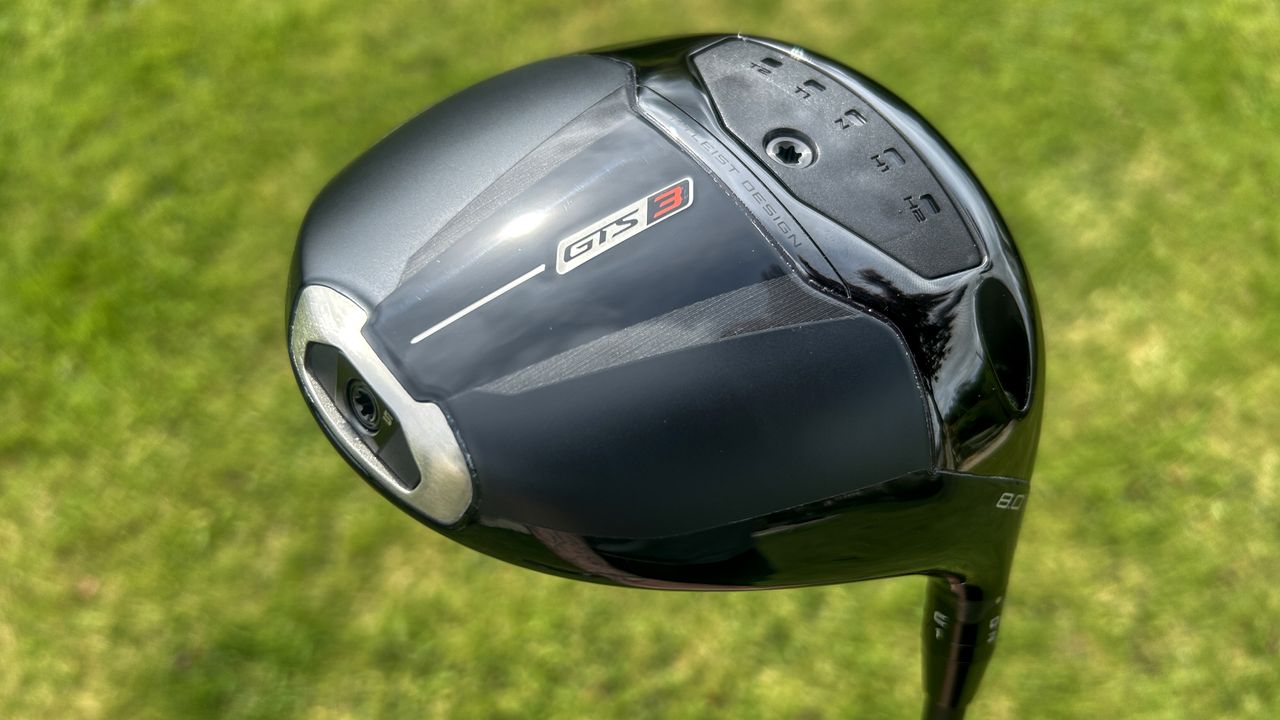
When Titleist released the GT range, it was a watershed moment for the brand, particularly the GT3, which became a dominant force on professional tours worldwide.
Replacing a huge success story is never easy, and the new GTS3 arrives with some seriously huge boots to fill. Can it rival some of the best golf drivers in the game? Let's find out...
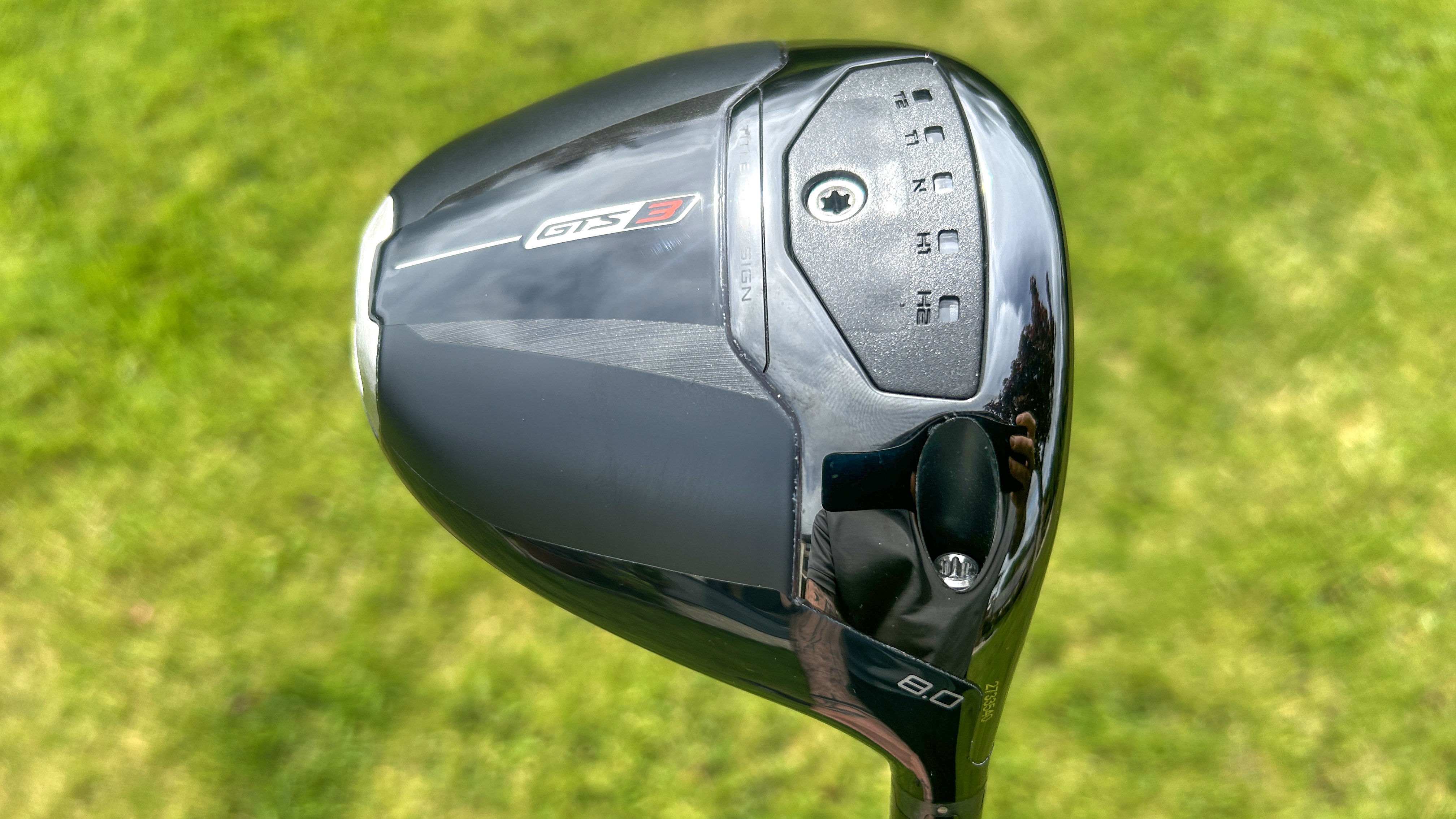
In terms of the tech, the core of the GTS3's design is the evolution of the Split Mass Frame. By utilizing a Thermoform Body constructed from Titleist’s Proprietary Matrix Polymer (PMP), engineers have managed to double the amount of discretionary weight available compared to the previous generation.
Specifically, the PMP content has jumped from 13 grams to 26 grams, wrapping much further around the chassis than previously. The weight savings this has created are then strategically relocated.
In the GTS3, this powers a dual-weighting system featuring a forward track weight and a flat AFT (rear) weight. Combined with the new Speed Sync Face, which features a refined support structure to maximize deflection, the technical goal is clear: retain Titleist's signature speed while pushing the boundaries of stability and adjustability.
Visually, no one will be surprised to hear that Titleist has stayed true to its DNA.
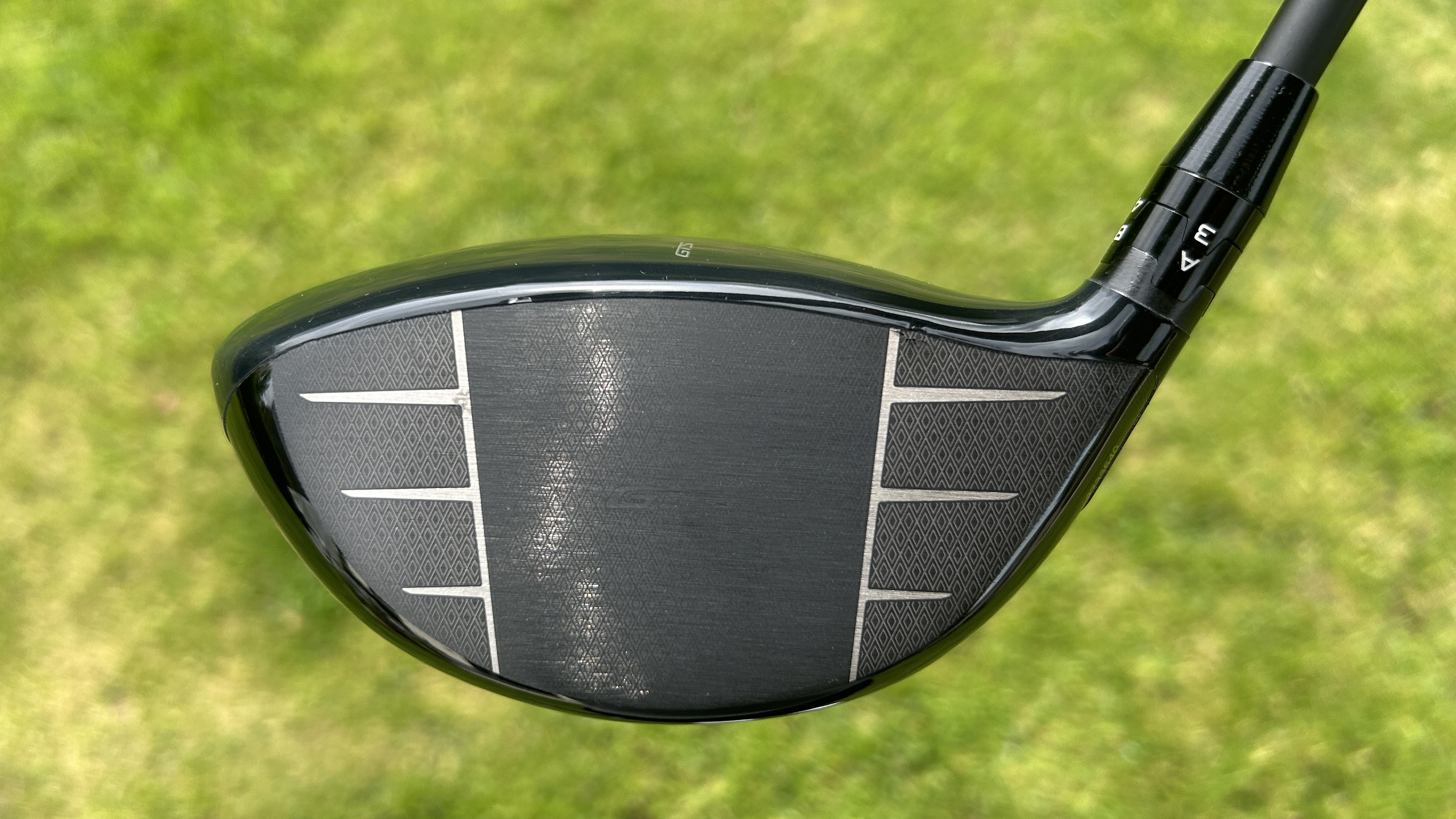
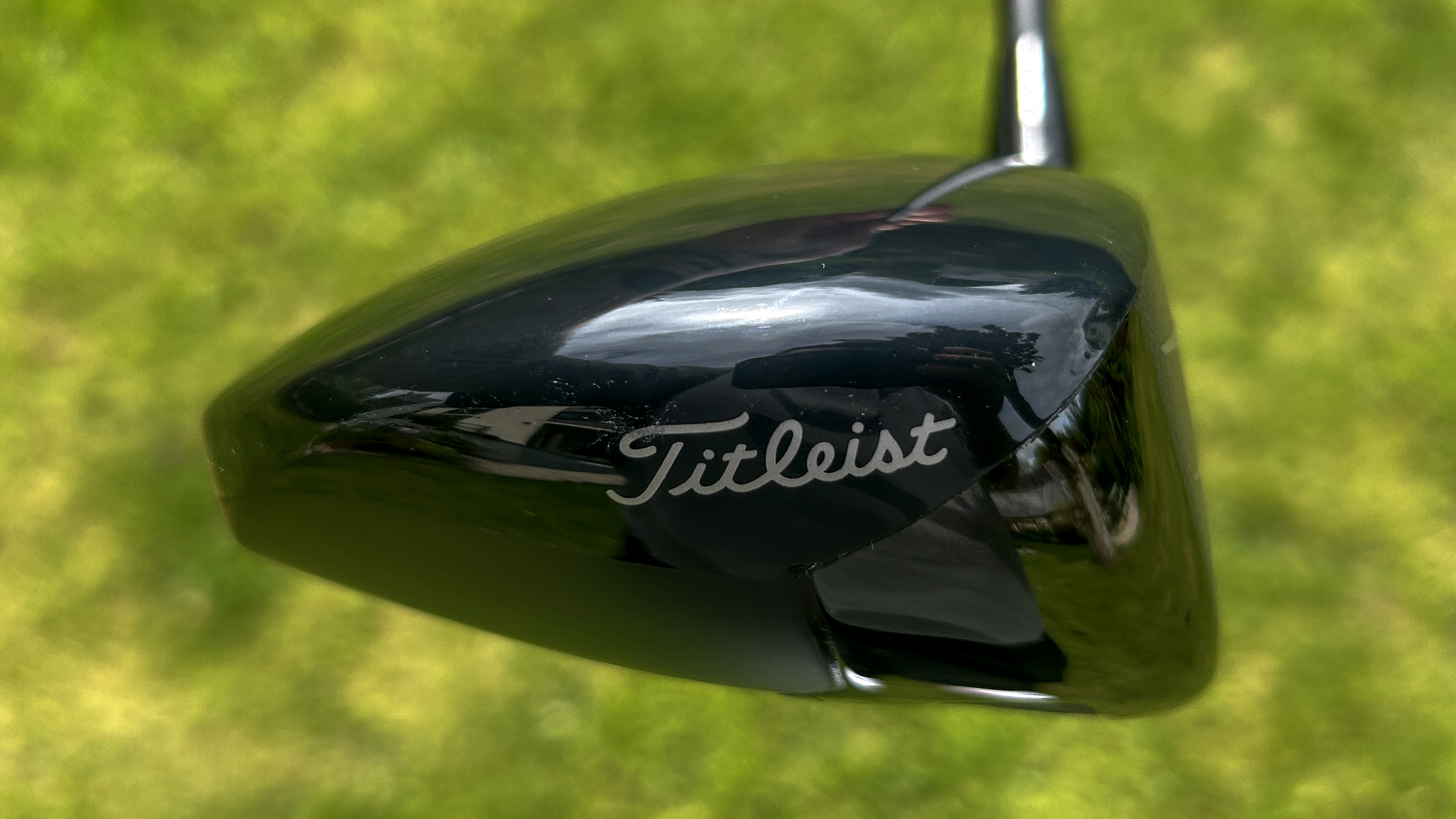
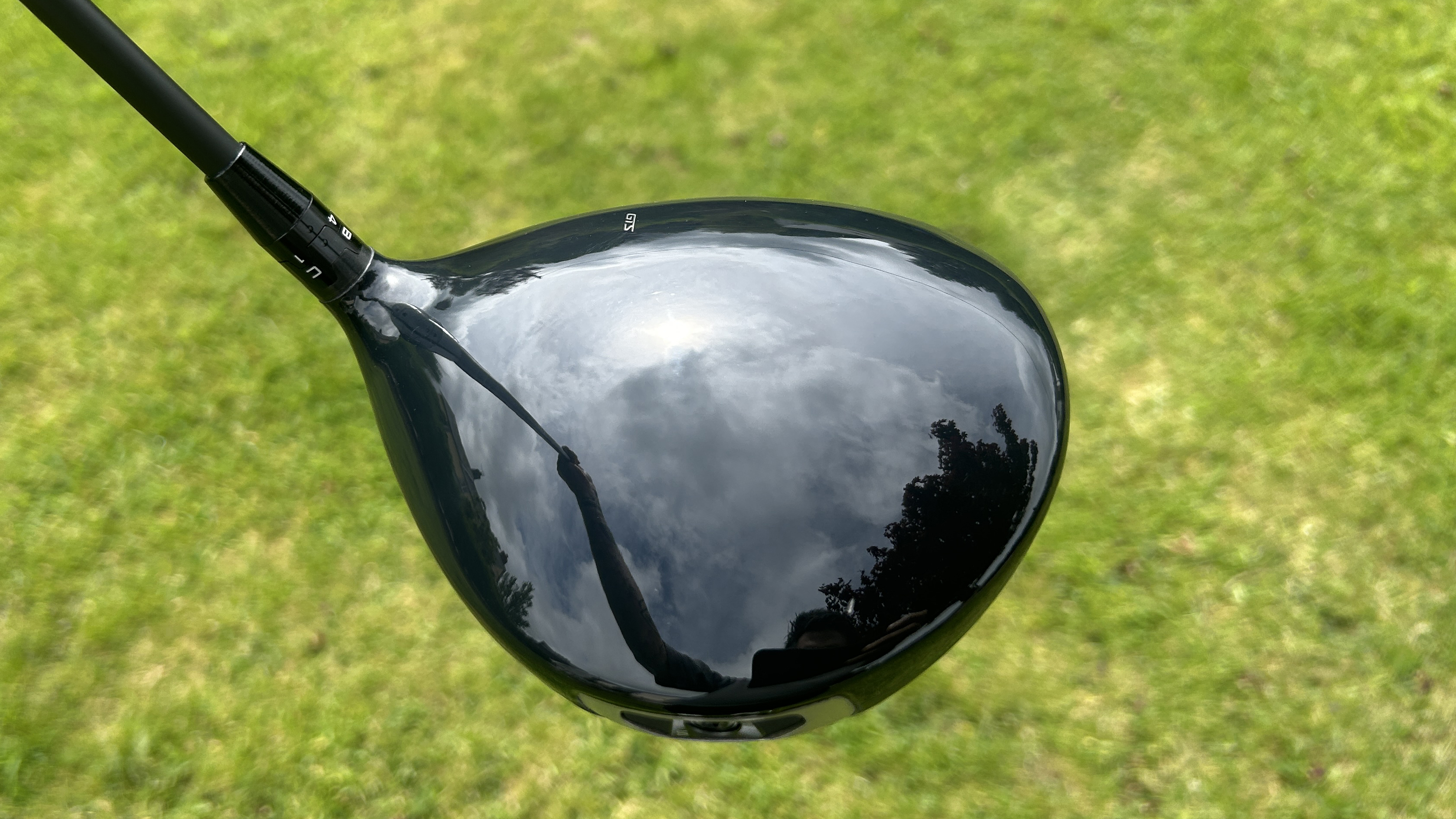
The GTS3 is predictably similar to its predecessor - sleek, minimalist, and devoid of the paraphernalia seen on some competitors. It is a look that Titleist knows its audience loves, and the new high-contrast face graphics are a subtle but effective addition for alignment.
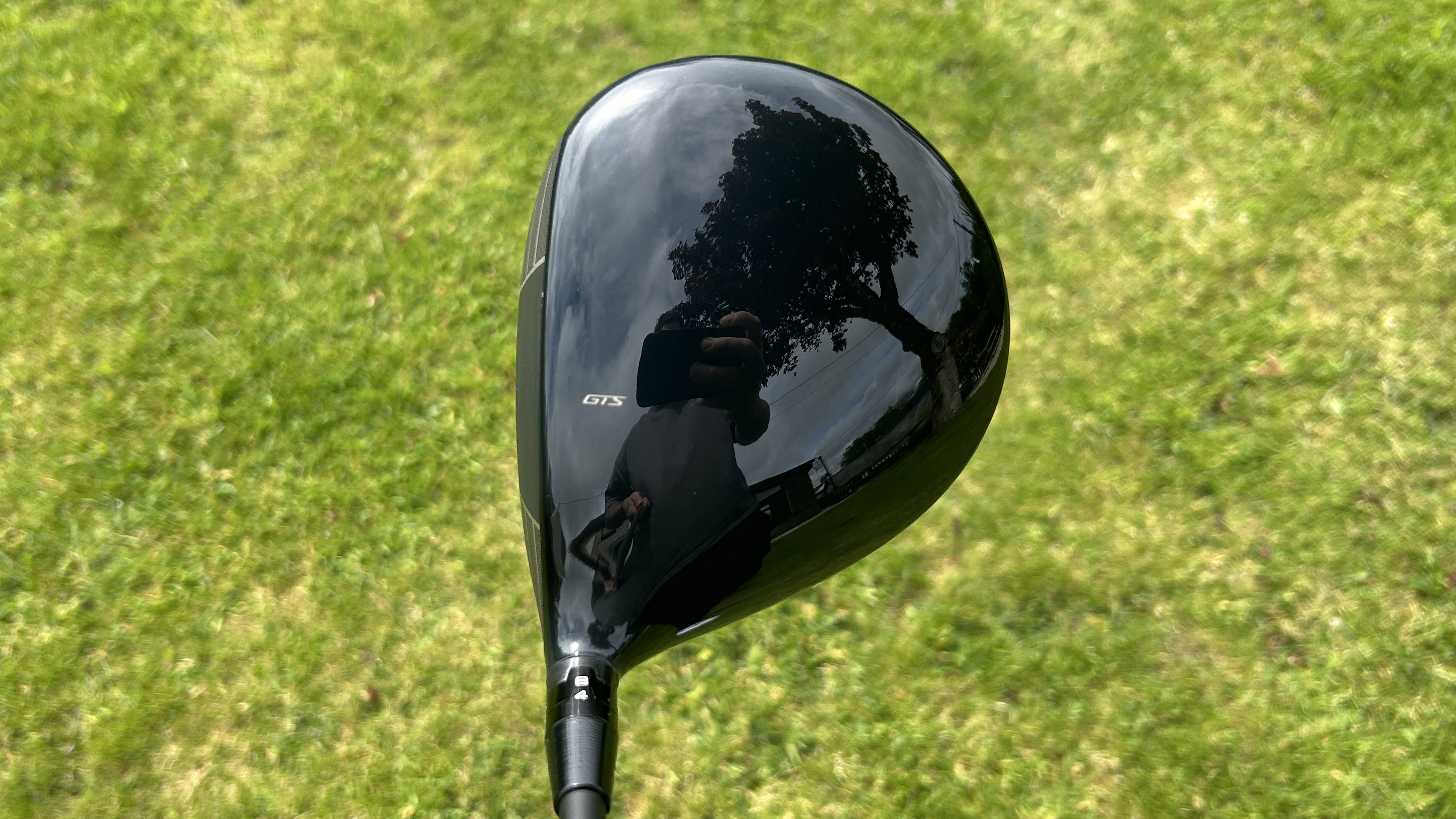
However, I did note some slightly disappointing lack of attention to detail on the sole.
On all of the models I received for testing, the paintwork around the new silver back port was noticeably less than sharp. The black paint had bled onto the silver accents and, in several areas, it had pooled and/or cracked to create unwanted and unsightly lumps.
If I had purchased this premium product carrying a hefty price tag, I would be disappointed to see that upon delivery.
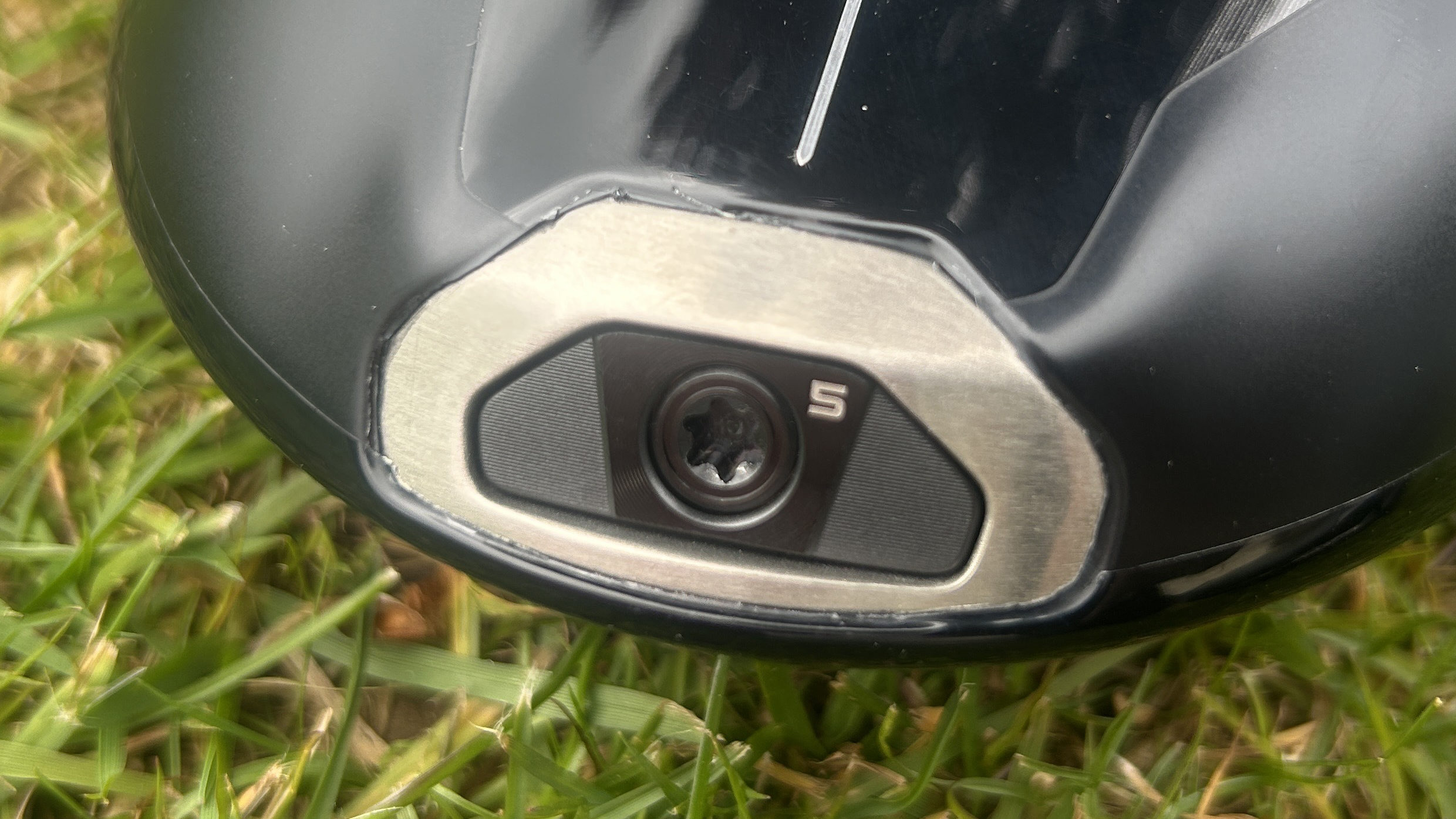
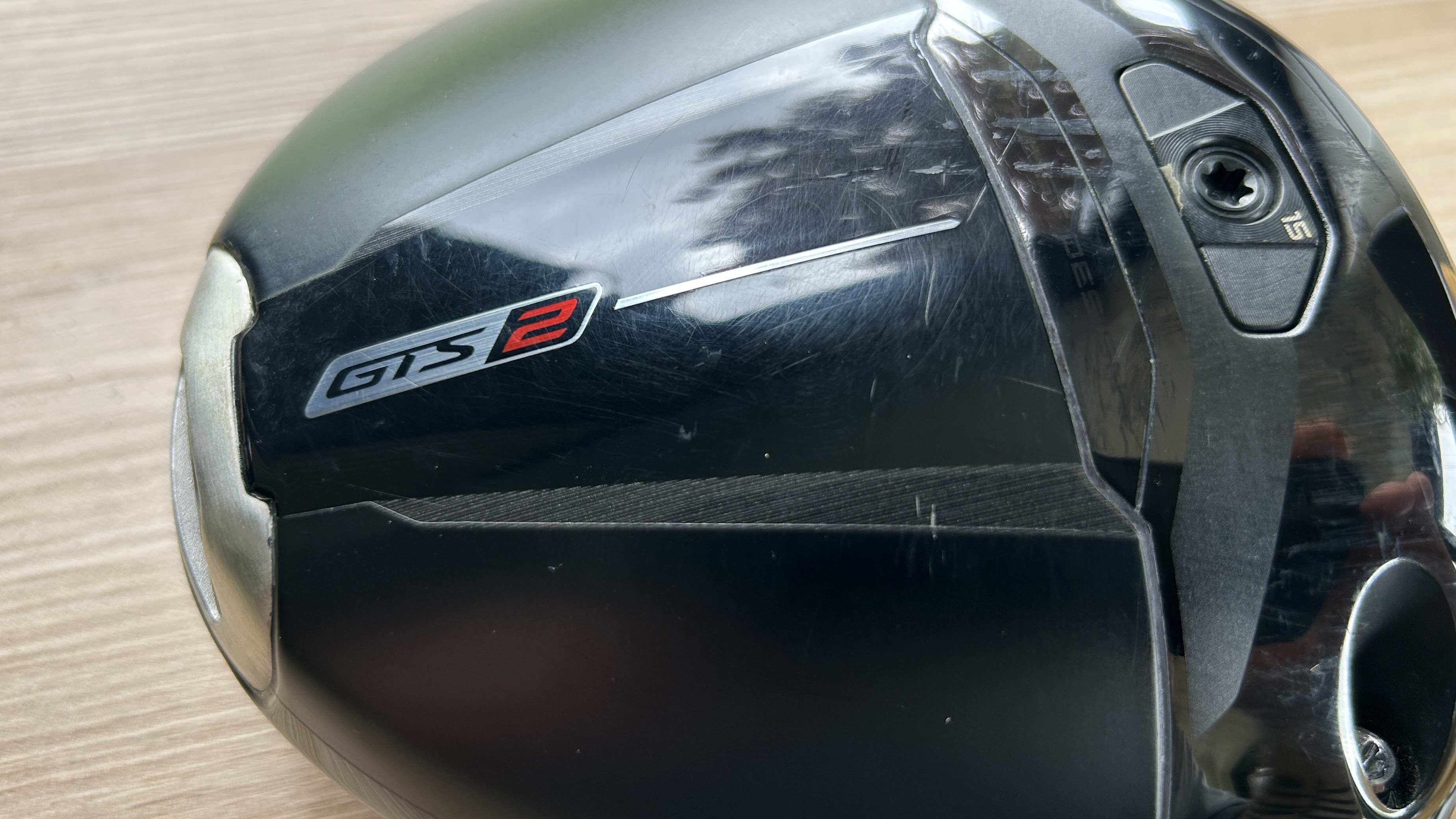
Furthermore, while I was initially very impressed by the sleek, shiny sole once the wrapper came off, the 'honeymoon phase' ended quickly. It showed significant marking to me, not conducive to a single round of play.
While some wear is obviously inevitable, the glossy coating seems particularly unforgiving, and I wonder if a more matte finish would have preserved that 'new' look for longer.
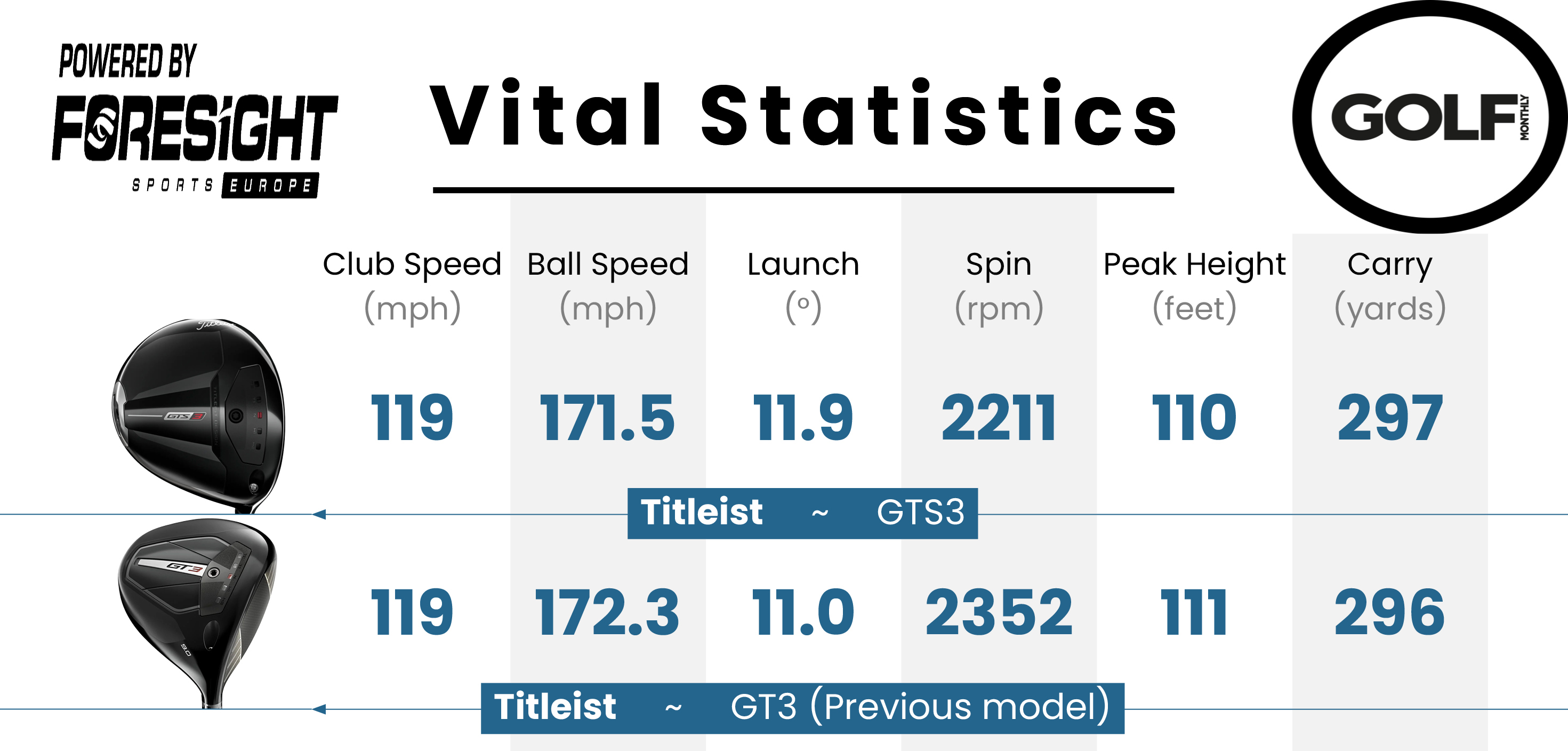
In testing against last season’s GT3 using a Foresight Sports GC3 launch monitor, the data threw up some surprises. Interestingly, I actually experienced a slight drop in average ball speed with the GTS3, averaging about 1mph less than the GT3, whereas my highest ball speed numbers came with the new GTS3.
This gave me the sense that while there may be more horsepower under the hood of the newer driver, the older GT3 was delivering slightly more consistent numbers.
However, that minute drop in average speed was more than mitigated by the combination of launch characteristics on offer.
In the exact same D2 setting (from my fitting) and shaft (Fujikura Ventus Black 6-X), the GTS3 produced just under a degree more launch for me, and approximately 150rpm less spin, which is a potent combination. The high, flat trajectory resulted in marginal carry gains, proving ball speed isn't the only metric for distance.
Where the GTS3 (much like its two siblings, the GTS2 and GTS4) creates a real talking point is the feel.
On off-center hits, I had some mixed thoughts. To me, it feels significantly harsher and more hollow than the previous generation, and I suspect that extending the proprietary matrix polymer further around the chassis has contributed to this more resonant feedback.
That said, the feel doesn't match the numbers.
While my hands felt a brash notification of a mishit, the launch monitor barely batted an eyelid. The ball speed retention and dispersion were nothing short of exceptional. Some may find the harshness a negative, but I found it to be an extremely helpful, honest, and unfiltered feedback loop. You know exactly where you’ve struck it, but the data remains largely unaffected.
We have reached a plateau where ‘revolutionary’ ball speed and distance jumps are a physical impossibility due to regulations, no matter how hard we wish for it. As such, gains are more subtle and need to be sought out a little harder, but I genuinely feel that they exist in the GTS3.
Would I be rushing out to snap one up if I were a GT3 owner? Personally, no. To me, the gains aren’t substantial enough with my financial means to justify the upgrade, but that will undoubtedly vary person to person. But, make no mistake about it, there are some minor gains on offer for the right player.
Is it ‘more of the same’? Yes. But when your ‘same’ was the unanimously lauded GT3, there aren’t many higher compliments you could pay a driver in my eyes.
The new GTS driver lineup offers a comprehensive range of high-performance shaft options to suit every swing profile. The Featured selection includes the Project X Titan Black alongside the Mitsubishi Tensei 1K series (available in White, Blue, and Red variants).
For golfers seeking an upgraded experience, Premium shaft offerings include the Graphite Design Tour AD DI, VF, and FI models.
The GTS drivers are available for fittings and pre-sale immediately, with a global retail launch scheduled for June 11. Pricing is set at an RRP of £629 for standard configurations and £799 for premium options.