
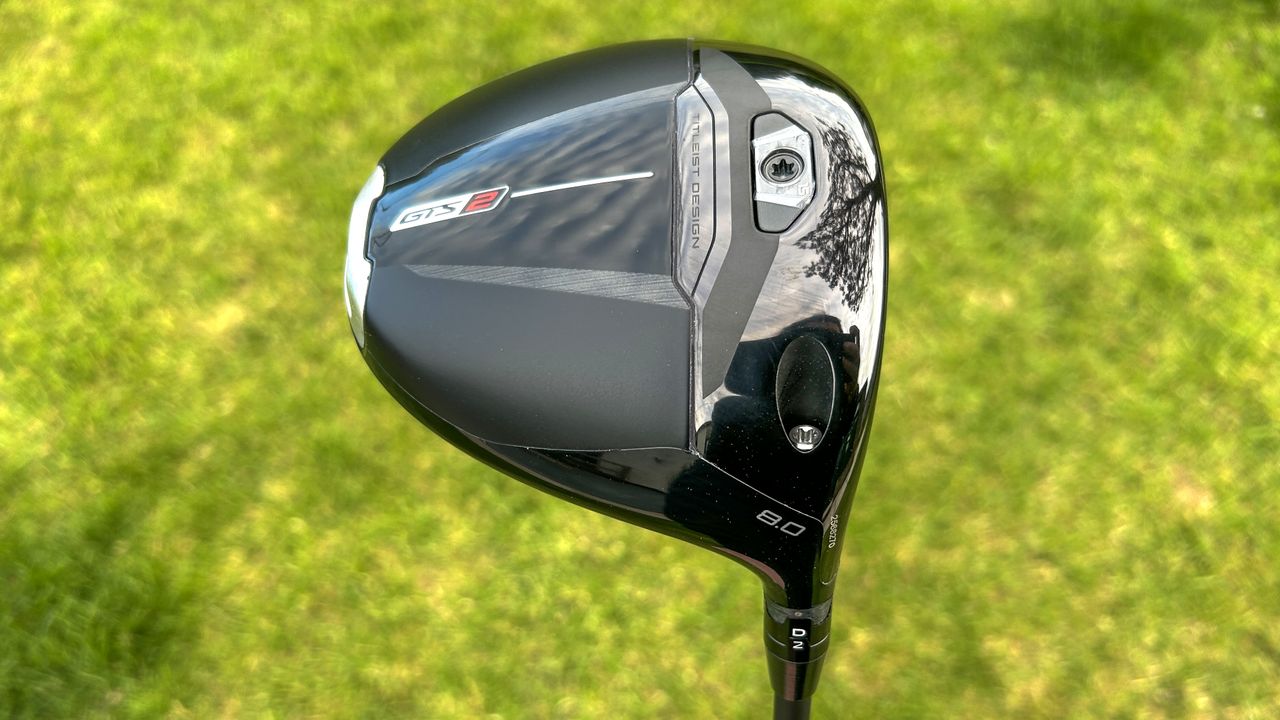
When Titleist launches a new metalwood family, the golf world usually expects a steady evolution of its "Total Performance" philosophy, so I was curious to see if the new 2026 lineup continued on that theme and whether it can live amongst the best golf drivers in the game…
Following the unanimous success of the GT family, we now have the GTS series. The subject of this review, the GTS2, is touted as the stable, high-launching "everyman" model of the range, designed to provide maximum speed and stability.
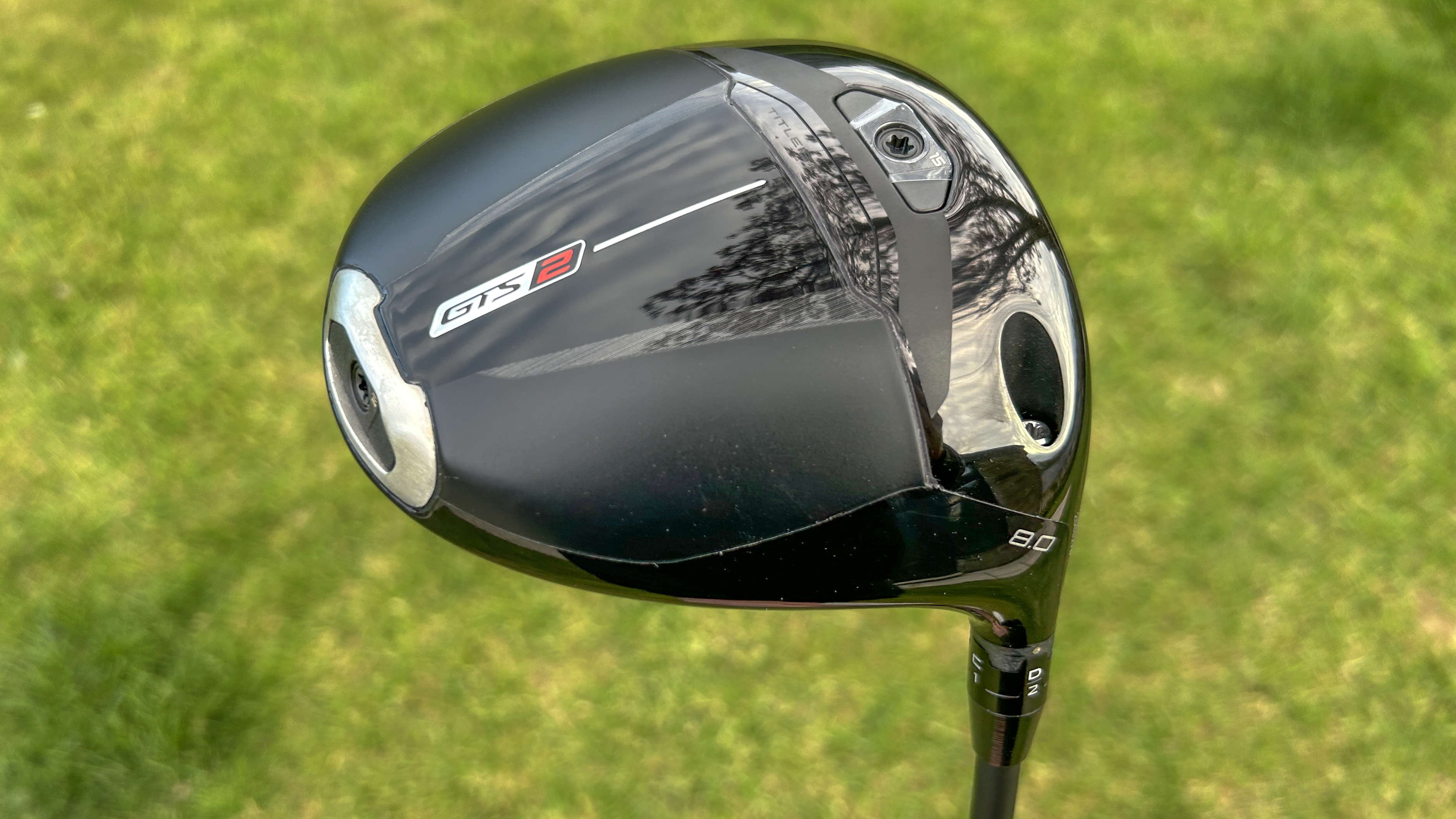
The headline story with the GTS2 is the advancement of the Split Mass Frame. Titleist engineers have moved more discretionary weight than ever to the extreme perimeters. This was made possible by the new Thermoform Body, which utilizes a Proprietary Matrix Polymer (PMP).
While the previous GT models introduced this material, the GTS2 features a significant jump in its application, utilizing 26g of the polymer compared to the 13g found in the previous generation.
This ultra-lightweight crown allows Titleist to shift mass low and forward for speed, while simultaneously pushing weight back to boost MOI. Combined with the new Speed Sync Face, which features a thicker support structure to optimize COR, Titleist is saying that the GTS range is technically the most advanced it has ever produced.

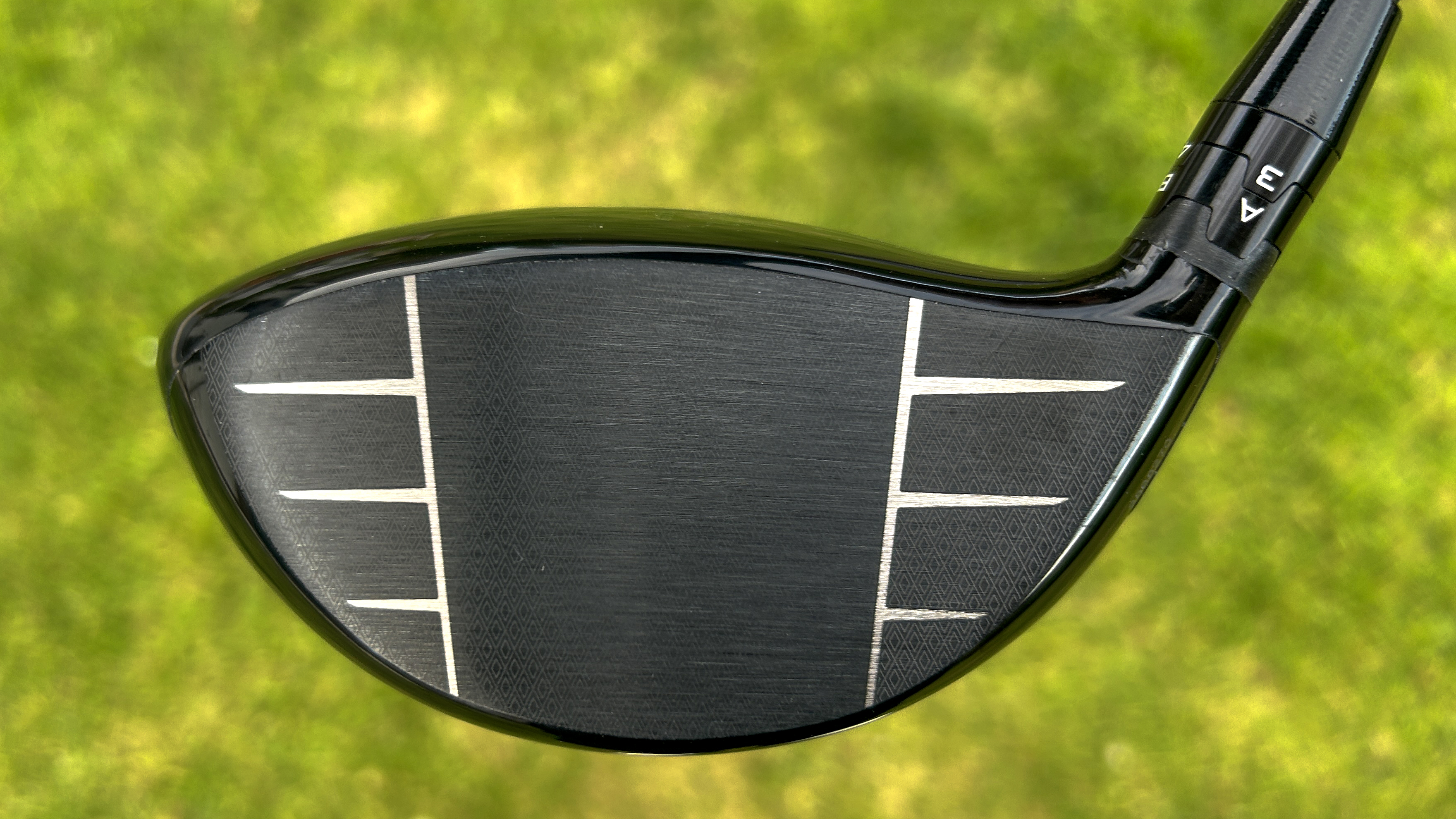
Visually, there are no surprises. The GTS2 is exactly what you would expect from Titleist. It retains that classic, clean, glossy profile that sits beautifully square at address in its standard setting.
Titleist clearly knows its audience well; there are no garish colors or distracting alignment aids - just a refined, high-contrast face graphic that helps frame the ball nicely.
However, I do have a couple of small aesthetic gripes...
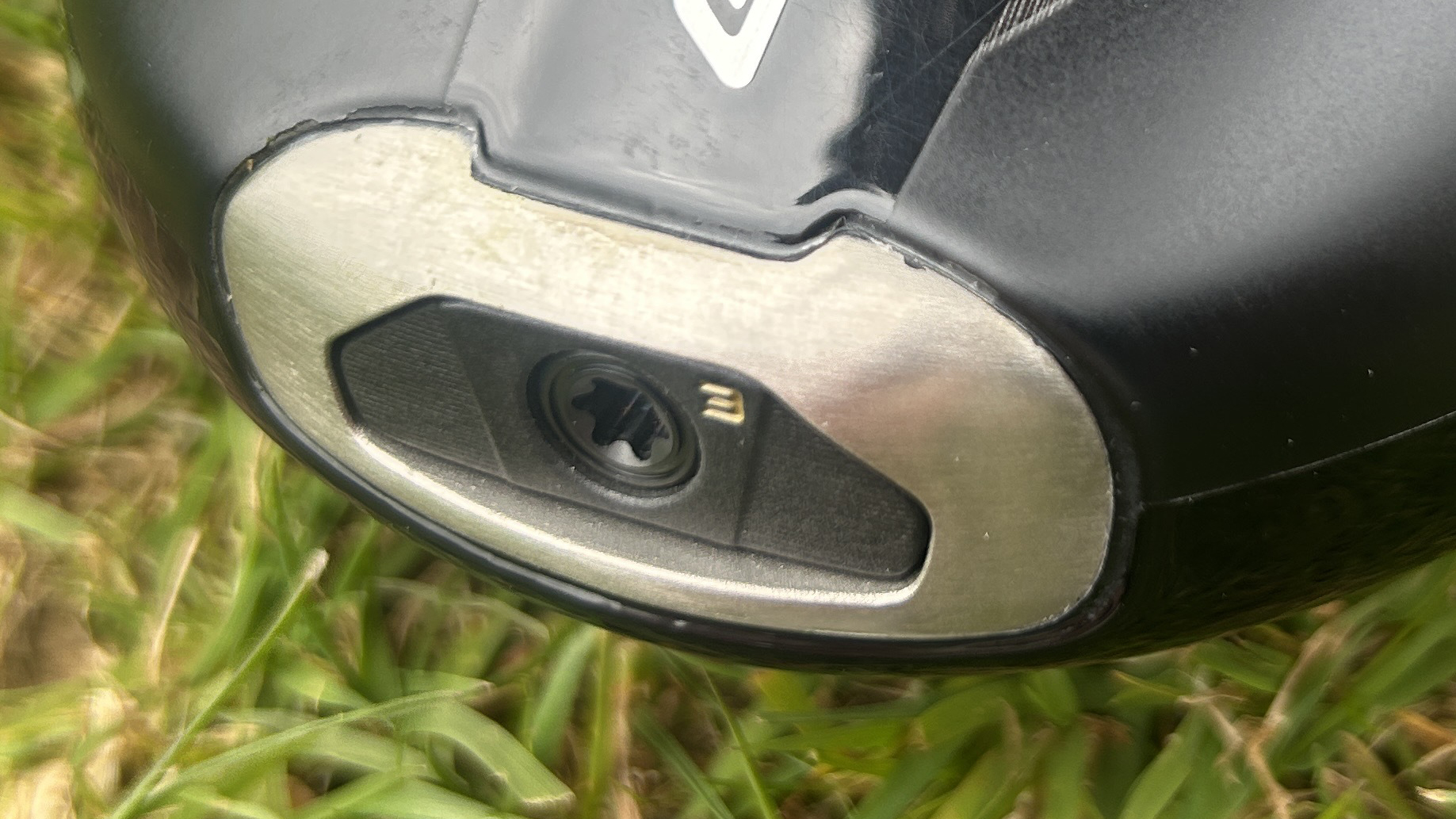
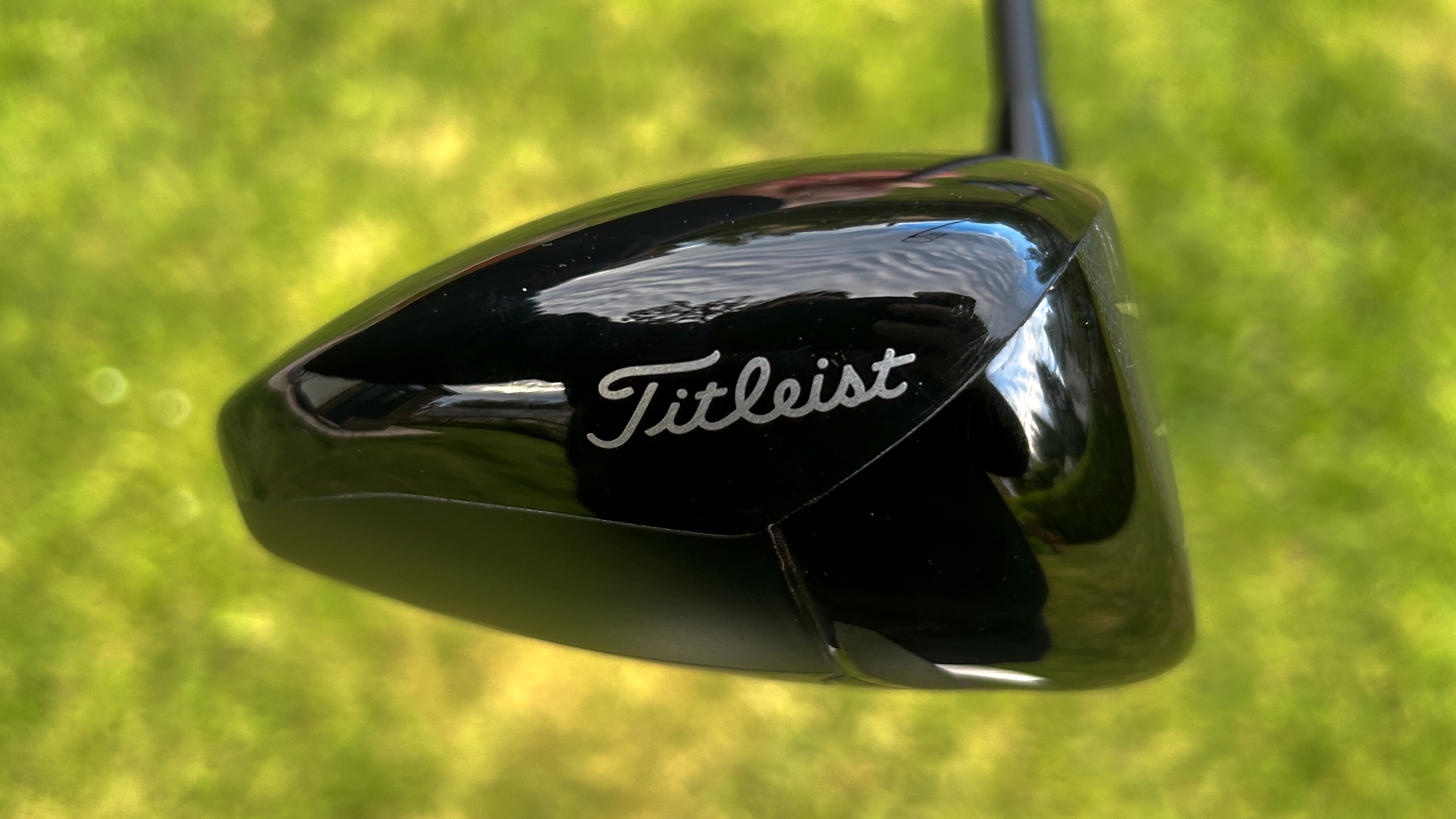
On every test model I received (this one, GTS3, and GTS4), the paintwork around the new silver back port was a little scruffy. In several areas, the black paint had bled onto the silver or pooled around the edges to create some sub-optimal lumps, bumps, and cracking.
For a premium-priced driver, I would generally expect a slightly cleaner finish in terms of the details.
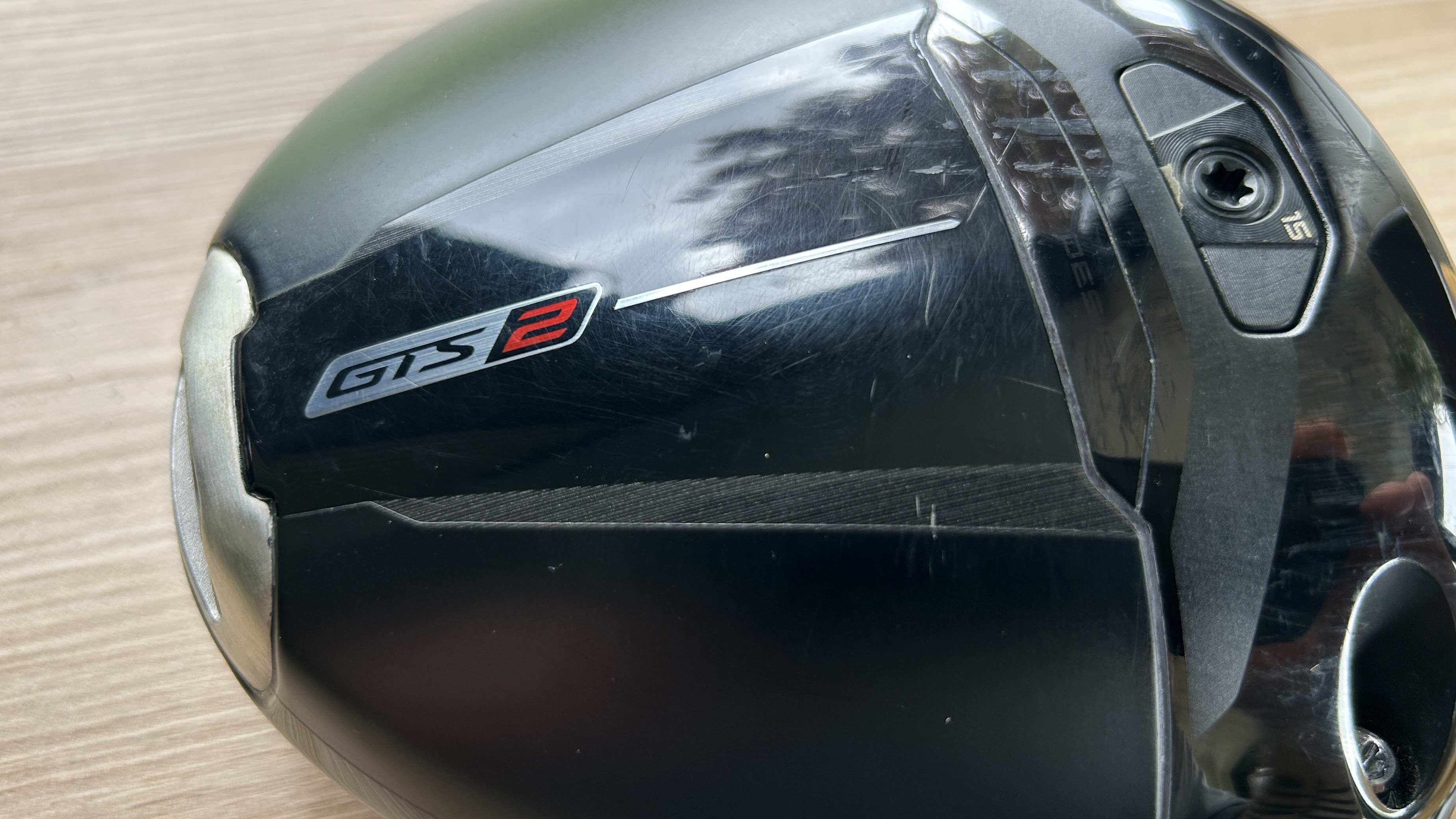
Furthermore, while I really enjoyed the visual of the sole when I took the wrapper off, with its very premium shiny finish, I was a little disappointed to see the condition of it after just one 18-hole test session. While I would expect fair wear and tear, I wonder whether using a glossy finish was a small error in terms of its longevity.
In terms of pure performance off the center of the clubface, I found the GTS2 eerily similar to the GT2 of last year. When I caught it flush, the launch monitor numbers - ball speed, spin, and carry - were essentially identical to the previous generation, which was a relief, as I was a big fan of GT2.
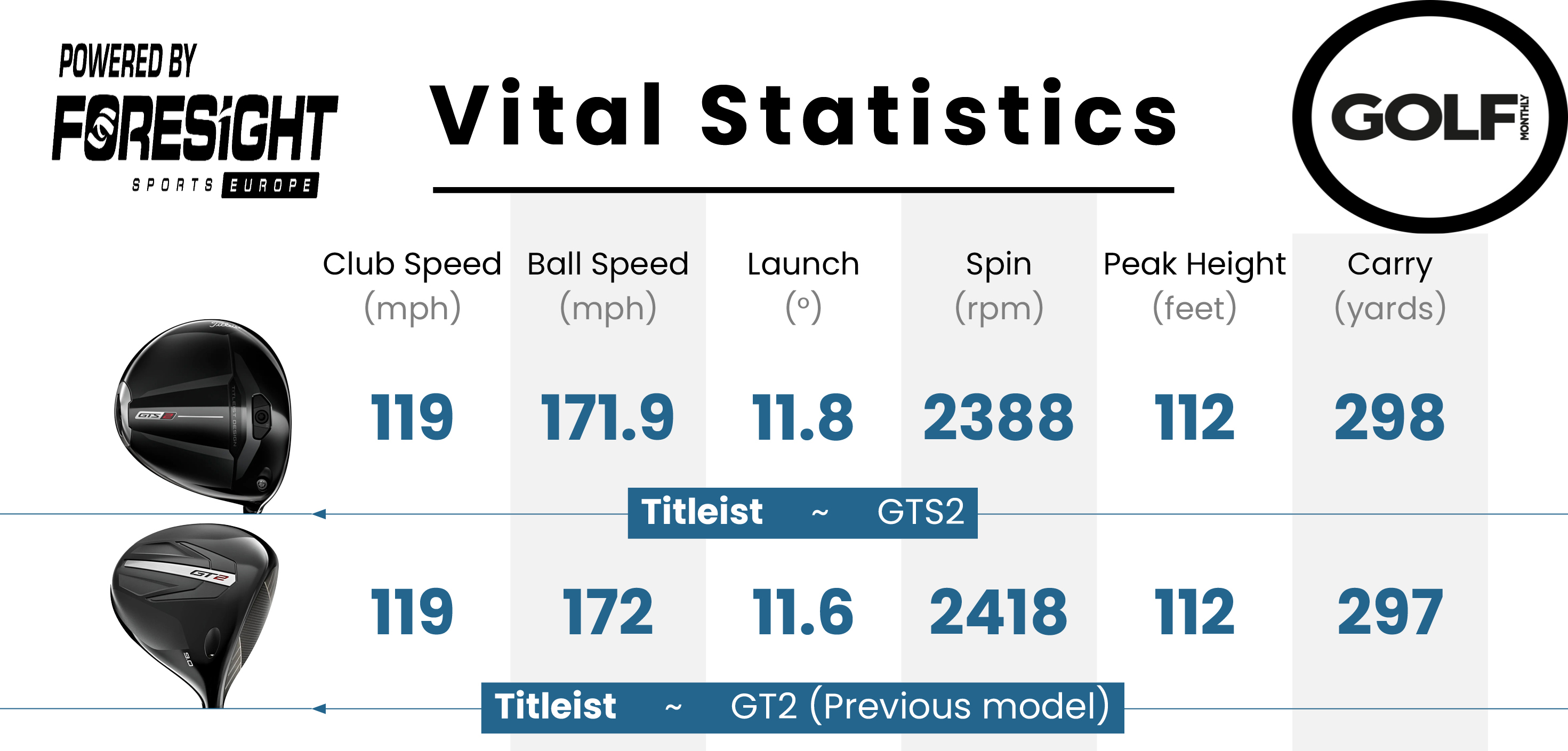
Where the GTS2 differentiates itself is on off-center hits, though perhaps not in the way you’d expect.
In terms of feel and feedback, I actually found the GTS2 a little harsher and ‘clangier’ on mishits compared to the GT2. There is a distinct hollow vibration on toe and heel strikes that I suspect is a byproduct of extending that proprietary matrix polymer so far around the chassis.
However, both crucially and interestingly, that harsh feel didn't actually match the data. On my Foresight Sports GC3 launch monitor, the GTS2 retained a hugely impressive amount of ball speed and maintained a tight dispersion even on my worst swings.
Some golfers might find the ‘clangy’ feedback to be a negative, but to me, it felt like an honest, unfiltered connection. The feel immediately tells you that you’ve missed the center (and by precisely how much), but the ball flight and data barely bat an eyelid. It is an unusual but helpful combination: the hands feel the ‘truth’, but the output hides it brilliantly.
We are at the stage now where no driver produces ‘revolutionary’ performance or vast ball speed jumps; the physical limits of the face simply don't allow for it.
In many cases, this would be the point where I would bemoan a lack of innovation or progress when a brand produces ‘more of the same.’ However, when the previous effort in question was as good as the GT family, more of the same is more than acceptable.
The GTS2 is a reliable, high-performing tool that offers world-class data, even if the feedback through the hands has become a little more vocal.

The new GTS driver lineup offers a comprehensive range of high-performance shaft options to suit every swing profile. The Featured selection includes the Project X Titan Black alongside the Mitsubishi Tensei 1K series (available in White, Blue, and Red variants).
For golfers seeking an upgraded experience, Premium shaft offerings include the Graphite Design Tour AD DI, VF, and FI models.
The GTS drivers are available for fittings and pre-sale immediately, with a global retail launch scheduled for June 11. Pricing is set at an RRP of £629 for standard configurations and £799 for premium options.