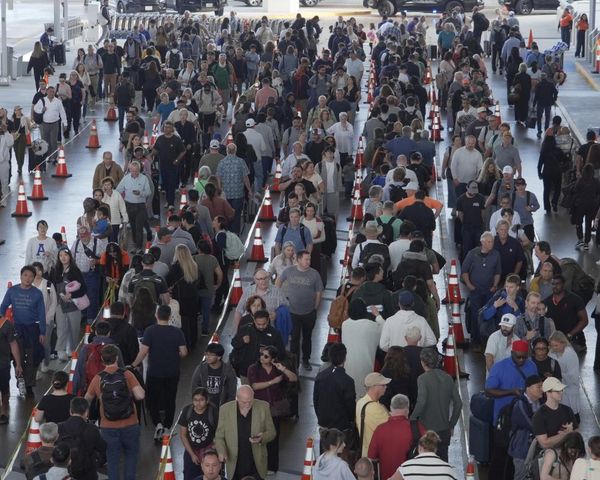
When you talk about the world’s busiest airports, what you’re really referring to is the number of passengers who pass through them every day. This includes both domestic or international travellers, and transit passengers. While evaluating busy airports, experts may also measure cargo traffic that passes through the airport, as well as the total number of airplane movements handled by a particular airport. In general, the main parameter that is measured is how many passengers passed through it.
Most international airports are connected to the main cities of the world, and they allow people to travel to other countries. They also have domestic terminals for passengers who fly to cities within the country. This means that the airport needs to provide a range of facilities, and also generate income to stay financially viable. Airports have to support infrastructure and maintenance costs as well.
Parking is one of the main sources of revenue for airports, along with renting out space within the premises for retail stores. Besides passengers, parking has to be available for airport staff, ground staff of airlines, airline crews and others who work within the premises, or come there regularly to supply or remove goods. The airport’s smooth operations and punctuality are dependent on whether people can arrive in time for work at the airport. A large number of cabs, rented and leased vehicles, privately owned vehicles and commercial vehicles have to access the airport. The airport has to cater to both short and long term parking, and provide easy access to the terminals.
The airport may also have arrangements with taxi companies to offer transit options to passengers. Many rental cabs tend to wait outside the premises to save parking fees till the flight lands and the passenger contacts them by phone. This leads to congestion outside the airport.
Over the years, airport managements have installed various systems to handle parking issues. These include automated parking systems, acquiring additional space in or outside the airport and incorporating the latest technology.
Where To Park At Busy Airports: Tips and Tricks
Whether you’re travelling on business or you’re on a vacation, finding a suitable parking space takes up a big chunk of travel planning. It also means considerable expense, because airport parking rates are notoriously high.
Vehicle owners’ concerns include theft, damage, vandalism and personal safety. Offsite parking may be cheaper but you may face other difficulties such as poor security and lack of easy access to your terminal.
Let’s look at smart hacks that will save you time and money and give you a stress-free parking experience in the world’s busiest airports. You’ll find more information at United parking at Tullamarine.
Plan Well Ahead: Agreed there are times when you have to simply pack and rush for the airport. But most travel plans are made ahead of the date, so include your parking plans as well. Start looking in advance online for the right options in terms of cost, accessibility and quality of services. Arrive well in time to avoid congestion at entry and exit points. If you’re a corporate traveler, the parking company may provide different rates with a monthly or yearly billing.
Book In Advance: When your travel plans get firmed up, that’s the time to book your parking slot too. You can check with the airport’s own parking companies, private operators and explore offsite options as well. You can compare prices across different options, grab good deals and discounts, and choose the slot that best suits your unique requirements.
Use Technology: You can use a number of apps to streamline your parking experience. Most big parking companies offer a range of tech options for this. Digital payment, real time dynamic signs and information, flexible pricing, license plate recognition, booking a wheelchair, premium or valet parking, contactless or mobile payment, loyalty points and links to other e-commerce options are some of the available tools.
Nearby Options: You don’t have to park within the airport grounds only. Look for parking spots in hotels, public parking spaces, or other convenient, safe parking areas. If you have a very early or late flight, it’s worth checking into a nearby hotel in advance so that you can leave your car in their parking lot.
Shuttle services: If you don’t have too much luggage, or you’re traveling alone, you can check the airport’s shuttle service route. It may be available from the city center or from the main public transport hubs. You can park your car in a railway station, mall or shopping plaza and take the shuttle to the airport.
Check the Fine Print: Before you opt for a parking spot with a parking company, check the rules and regulations carefully. It is important to know what the parking company’s cancellation policies are. In case your flight is cancelled or delayed, you may have to make alternate arrangements so make sure you don’t lose money.