
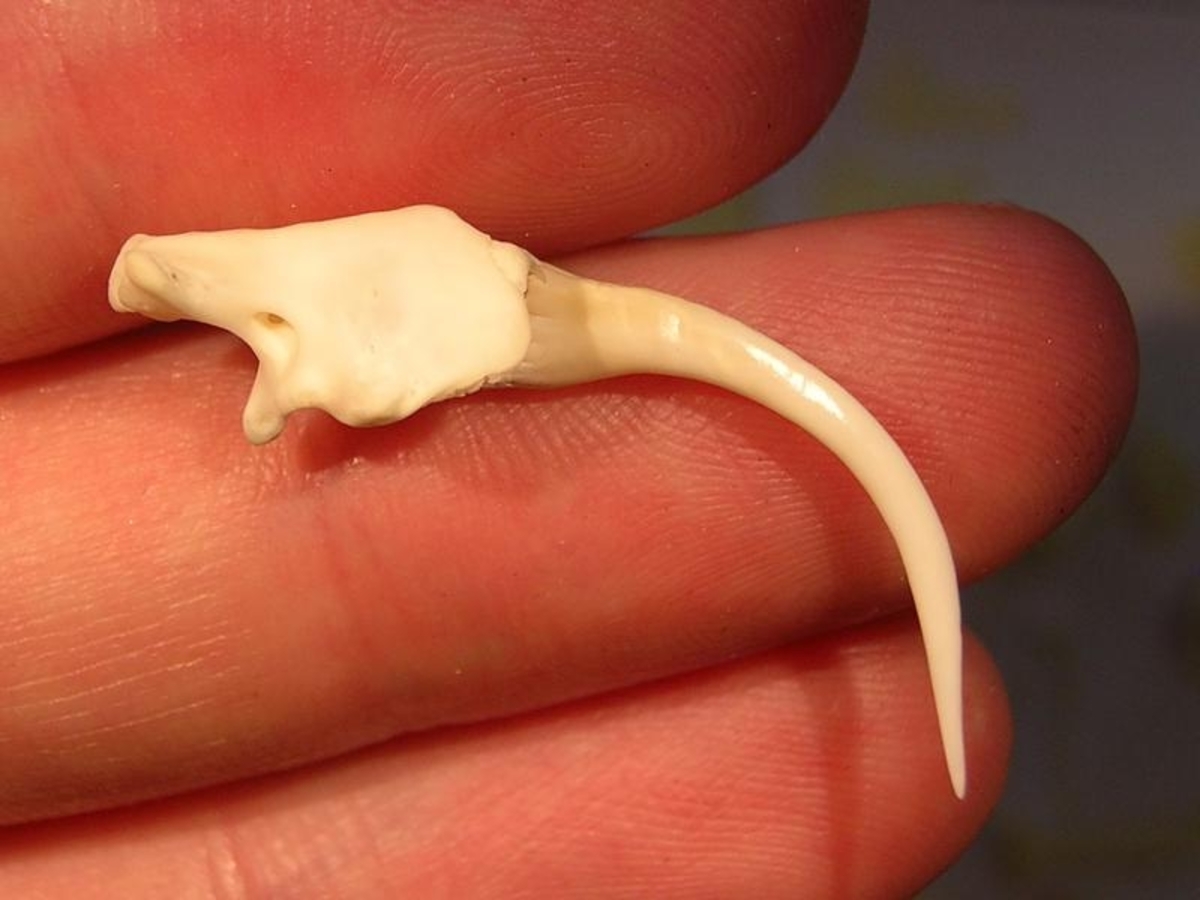
Tiny wrinkles inside a snake's mouth help the reptile to develop its deadly fangs, new Australian research has discovered.
There are about 4000 species of snakes in the world, with 600 of them considered dangerous to humans because they can inject venom from their fangs.
But how these deadly snakes develop their venomous fangs has remained a mystery.
Flinders University researchers, working with the South Australian Museum, say the answer is connected to microscopic wrinkles.
Using high-tech modelling, fossils and microscope observations, researchers found snakes possess "tiny infoldings, or wrinkles at the base of the teeth", which help snake's teeth attach more firmly to the jaw.
In venomous snakes, one of these wrinkles becomes deeper and extends all the way to the tooth tip, producing a "venom groove and a fang".
Study co-author Professor Michael Lee said the research highlighted "the opportunism and efficiency of evolution".
"Wrinkles, which helped attach teeth to the jaw, were repurposed to help inject venom," he said.
The study, titled Plicidentine and the repeated origins of snake venom fangs, has been published in the Proceedings of the Royal Society B biological research journal.