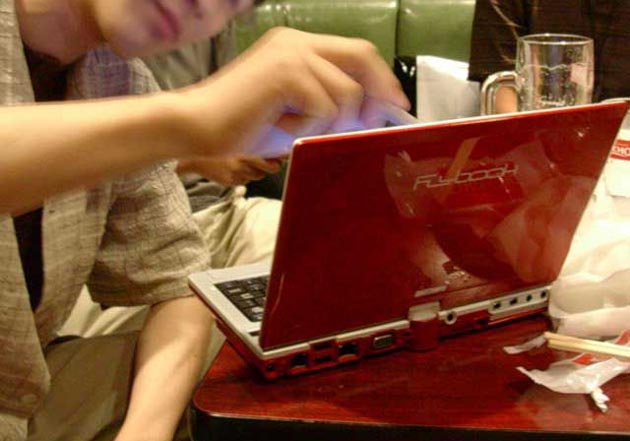
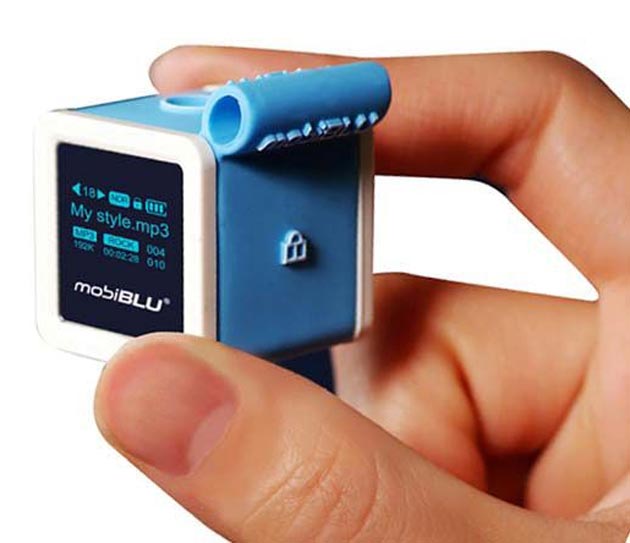
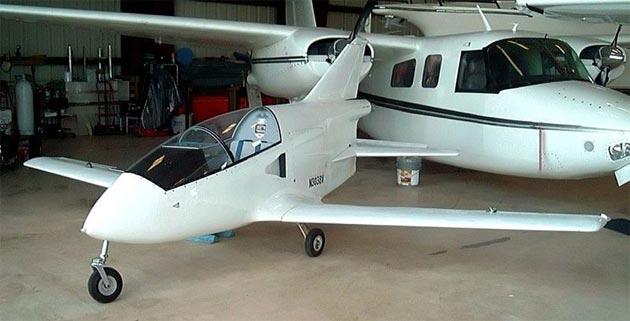
Laptop shock: The Flybook is among the smallest commercially available laptops, measuring 23cm by 15cm, with an 8.9 inch touchscreen and Wi-Fi.Photograph: PRMusic box: MP3 players like this Mobi-Blu model and Apple's iPod Shuffle are miniaturising all the time as memory gets cheaper and smaller.Photograph: PRJet power: Even huge technologies like jet engines are now being reduced in size. This, the world's smallest jet aircraft, was built by Puerto Rican enthusiast Juan Jimenez.Photograph: Juan Jimenez
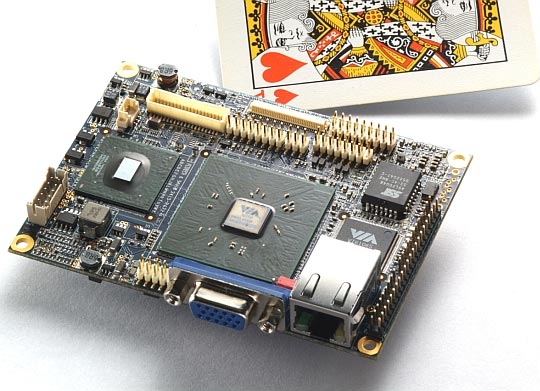
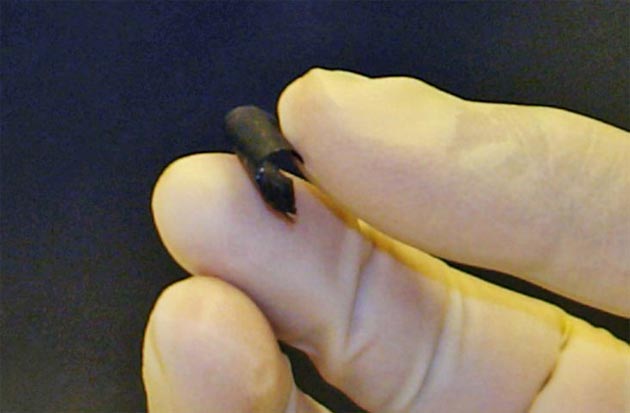
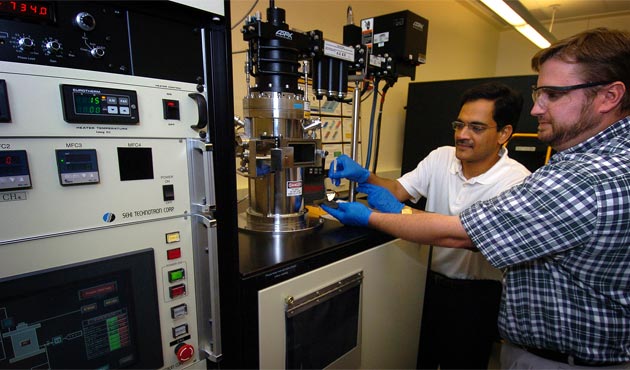
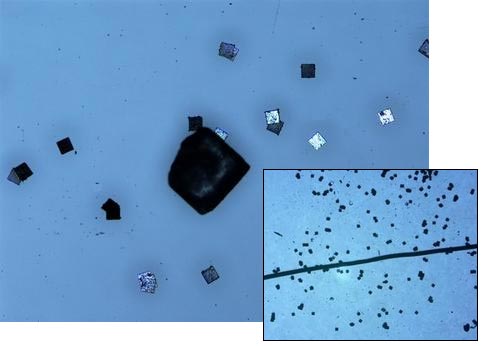
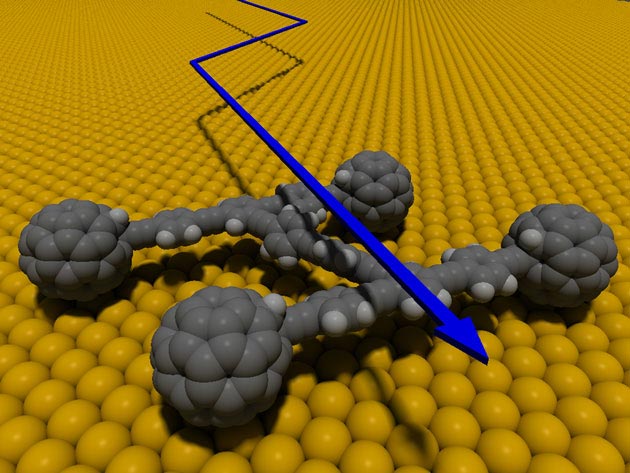
Mother load: Computers also continue to shrink. Fifty years ago a simple punchcard computer would fill an entire room: today this Pico-ITX motherboard from VIA measures just 10cm by 7.2cm.Photograph: PRPaper power: But it is at the nanotechnological level that developments are really moving forward. This flexible "paper" battery from researchers at the Rensselaer Polytechnic Institute contains a series of carbon nanotubes that can bend and flex without breaking - while still storing enough energy to power a light bulb.Photograph: Rensselaer Polytechnic InstituteFlexdibCool stuff: Researchers from Purdue University build an ionic wind engine. The engine cools computer chips by manipulating atomic behaviours - a development that could pave the way for further reductions in microchip design.Photograph: Purdue UniversityRadio gaga: Hitachi's latest innovation is this minuscule radio chip, which is so small it can be used as a "powder" and incorporated into other products. The chips carry small pieces of information which can be read over short distances, and measure less than 0.05mm across - here they are shown in comparison with a human hair.Photograph: PRMini motors: Scientists have taken things even further by developing this 'car' that is just 4 nanometres across - about the same width as a strand of DNA. Nanovehicles could eventually be used for transportation in molecular-sized factories.Photograph: Y. Shira/Rice University
Sign up to read this article
Read news from 100’s of titles, curated specifically for you.